

 5 days ago
6
5 days ago
6
ARTICLE AD BOX
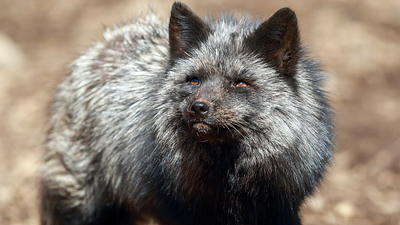
Meet the animal at the center of one of science's longest-running experiments. Image Credits: Wikimedia Commons
What if everything you love about your dog, the floppy ears, the wagging tail, the desperate need to sit in your lap, weren’t bred into them on purpose, but were probably just a side effect of one thing: being friendly toward people? That is precisely what one of the longest-running experiments in genetics suggests, and the findings may change how you think about the origins of our pets forever.According to Lyudmila Trut's landmark paper ‘Early Canid Domestication: The Farm-Fox Experiment,’,’ Russian geneticist Dmitry Belyaev launched a selective breeding experiment with one audacious goal: to re-enact animal domestication in real time, with silver foxes (Vulpes vulpes) as the test subject. He chose only one trait: tameness. He figured everything else would fall into place.A foxes-only experiment with very dog-like resultsBelyaev began with 30 males and 100 vixens taken from a commercial fur farm in Estonia.
In the first generation, and all thereafter, the only criterion for breeding was the calmness and friendliness of the fox toward humans. The foxes were not trained or deliberately socialized; they were tested, scored, and only the tamest were selected to breed. According to Trut's paper, the selection was rigorous: in the last years of the experiment, usually only 4 to 5 percent of the male offspring and around 20 percent of the female offspring were allowed to reproduce.
According to How to Tame a Fox (and Build a Dog), published by the University of Chicago Press in 2017 and co-written by evolutionary biologist Lee Alan Dugatkin and Trut herself, within six generations, a subset of foxes was already licking experimenters’ hands, whining when humans left, and wagging their tails when people approached, behaviors that appeared without any training whatsoever.
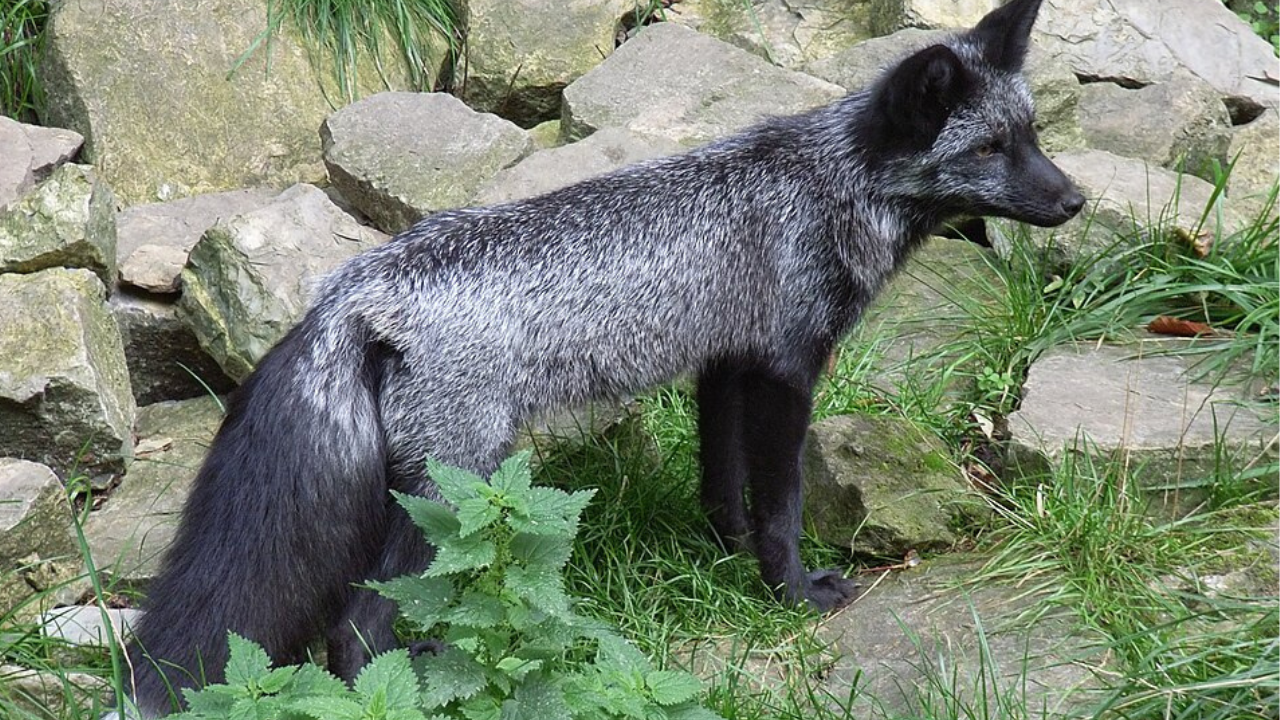
Belyaev chose the silver fox because it was taxonomically close to the dog but had never lived among humans. Image Credits: Wikimedia Commons
The physical changes nobody planned forTrut's study explains that by the eighth to tenth generation, the foxes started to develop physical features that had never been selected for at all.
The first change was coat color: some foxes had a star-shaped patch of depigmentation on the face, similar to the patterns seen on many domesticated dog breeds. Then there were floppy ears and upward curling, rolled tails. Foxes with shorter tails and legs, and with underbites or overbites, started to appear after 15 to 20 generations, too.
None of these characteristics was intentional. They simply came along for the ride.According to Trut's paper, these changes mirrored those observed over time in the domestication of animals like dogs, pigs, horses, and cattle, all of which exhibit similar changes in coat color, ear shape, and tail structure when they are domesticated. The fact that such different animals, domesticated by different people at different times, show the same physical changes points to something deeper going on at the biological level.Why selecting for friendliness changes how a body developsAccording to the study, the explanation goes through the stress response system. The foxes grew more tame with each generation. Their adrenal glands became less reactive. The domesticated foxes, after 12 generations of selective breeding, had basal levels of corticosteroids, hormones released by the body in response to stress, that were just over half those of a control group. After 28 to 30 generations of selection, the level was halved again.The brain's chemistry also changed. The study showed that the domesticated foxes’ brains had higher levels of serotonin, a neurotransmitter strongly correlated with the inhibition of aggression, compared to a control group. Such neurochemical changes appear to have a ripple effect, leading to more widespread developmental changes that modify the timing of the formation of physical features during embryonic development and early growth, which could explain the recurring appearance of traits such as floppy ears across domesticated species.
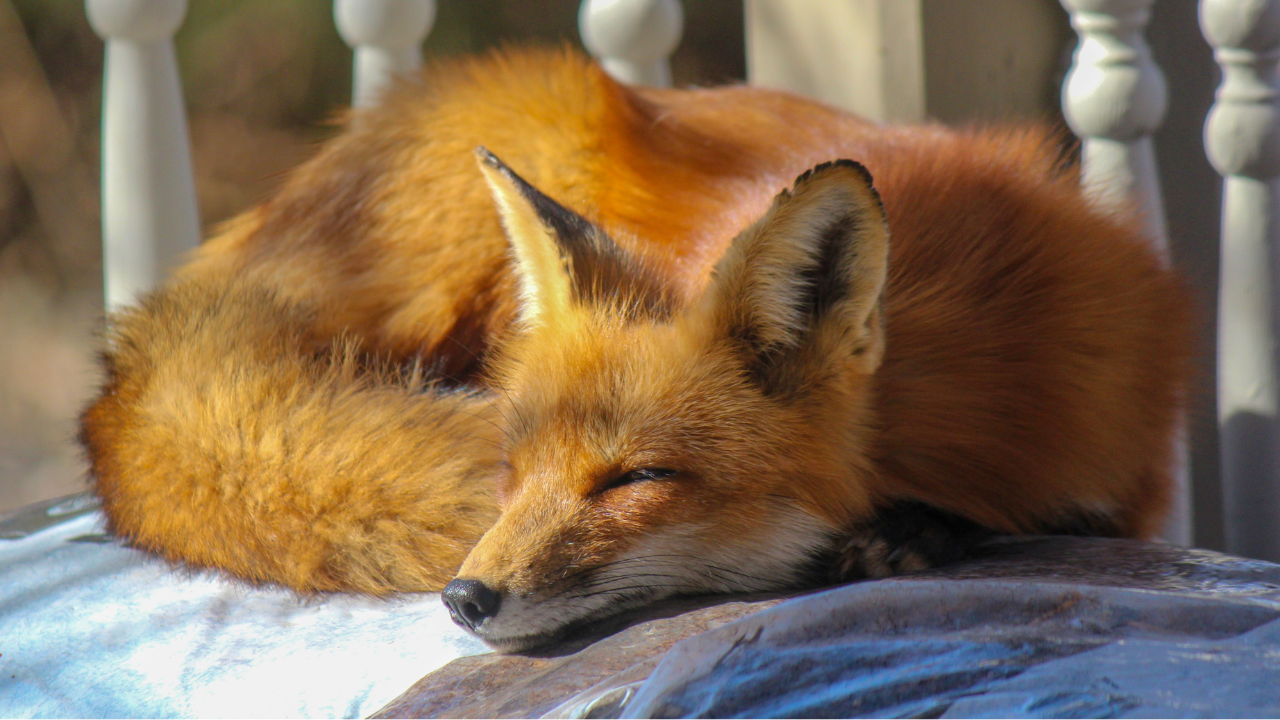
What was once a wild, cage-pacing fox is now this: a relaxed animal at ease in a human environment. Image Credits: Pexels
The socialization window opens widerOne of the most important behavioral changes related to what researchers call the “socialization window,” the early period of development when young animals bond with the world around them. According to the study, the fear response in undomesticated fox pups appears at around six weeks, effectively shutting them off from the development of new social bonds. In the domestic foxes, that fear response was delayed until nine weeks or more, allowing the pups more time to bond with people.
The domestic pups also responded to sounds two days earlier and opened their eyes one day earlier than their non-domestic counterparts, expanding the bonding window on both ends.From wild animal to domesticated eliteBy the sixth generation, the study says, researchers had to invent a whole new behavioral category, the "domesticated elite," for foxes so human-oriented they surpassed anything the original scoring system could capture. These foxes whine for human attention, smell and lick the testers, and actively seek out human contact.
By the tenth generation, 18 percent of the fox pups were elite. By the time the twentieth generation had come, it was 35 percent.
Forty years and 45,000 foxes into the experiment, the elite foxes made up 70 to 80 percent of the entire selected population.What does this mean for the story of your dogThe bigger picture is hard to ignore. Early humans might not have intentionally selected for the physical traits we associate with domesticated animals: soft features, floppy ears, piebald coat patches. They seem to be an unintended package deal with one behavior change: less fear and aggression towards people.That quietly recontextualizes the origin story of the dog. It may not have required centuries of deliberate planning or careful breeding programs. It may have started with something far simpler: perhaps a wolf that wasn't scared.









 English (US) ·