

 1 hour ago
6
1 hour ago
6
ARTICLE AD BOX
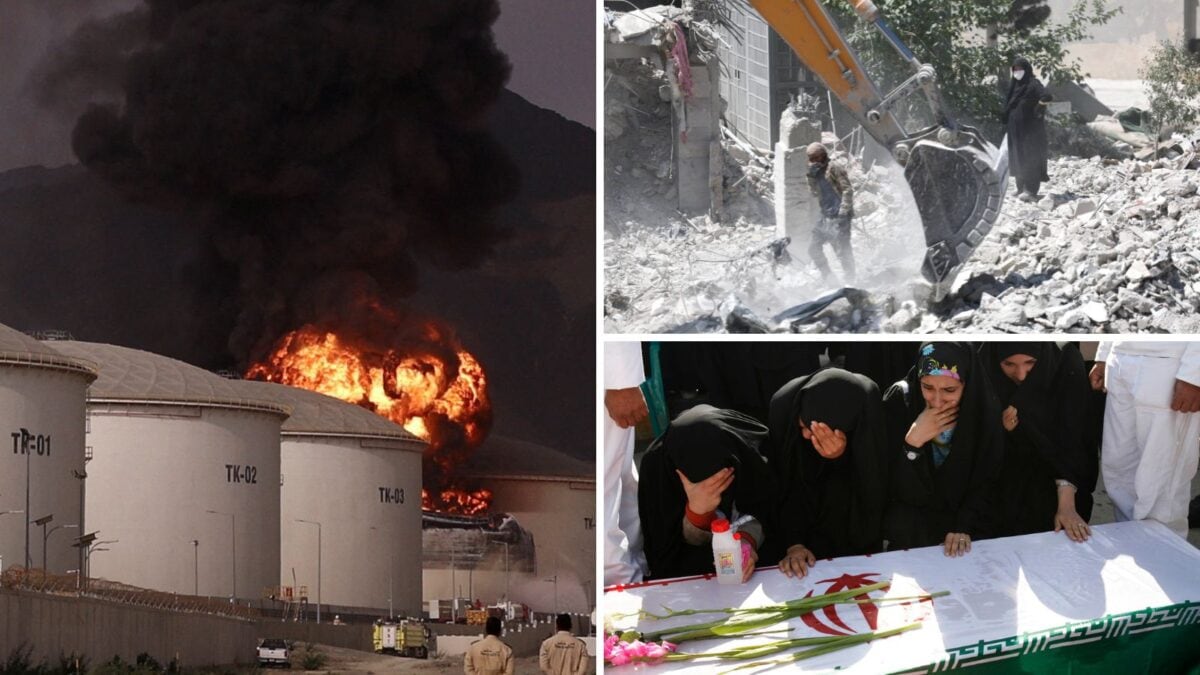
Last week, three Indian seafarers, who were onboard a Palau-flagged oil tanker named MT Settebello, were killed due to a US attack. Another seafarer, Nishanth Uirthanathan, also died after he fell ill off the coast of Oman. His calls to the US Navy about his health were reportedly unanswered.
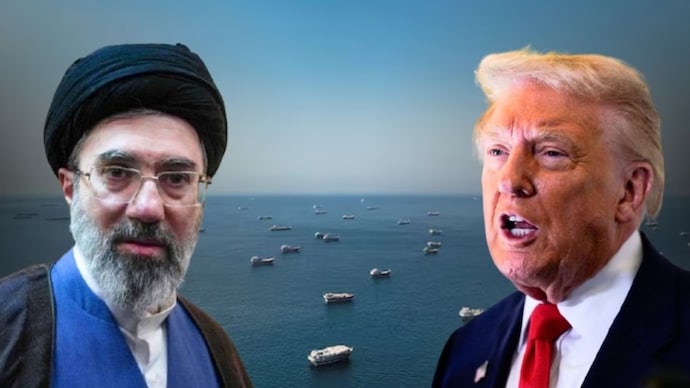
US-Iran to sign peace deal on June 19 (Photo: ITG)

UPDATED: Jun 15, 2026 17:21 IST
The Forward Seamen's Union of India (FSUI), a body advocating for the rights of Indian mariners, welcomed the US-Iran peace deal that is aimed at ending the over-three-month-long West Asia conflict. The body also hailed the reopening of the conflict-torn chokepoint, the Strait of Hormuz, that had remained non-operational since the US-Israel launched its attack on Iran.
In addition to this, the FSUI also sought compensation for the families of the four mariners who had died as ‘collateral damage’ in the West Asia conflict.
Last week, three Indian seafarers, who were onboard a Palau-flagged oil tanker named MT Settebello, were killed due to a US attack. Another seafarer, Nishanth Uirthanathan, also died after he had fallen ill off the coast of Oman. His calls to the US Navy about his health were reportedly unanswered.
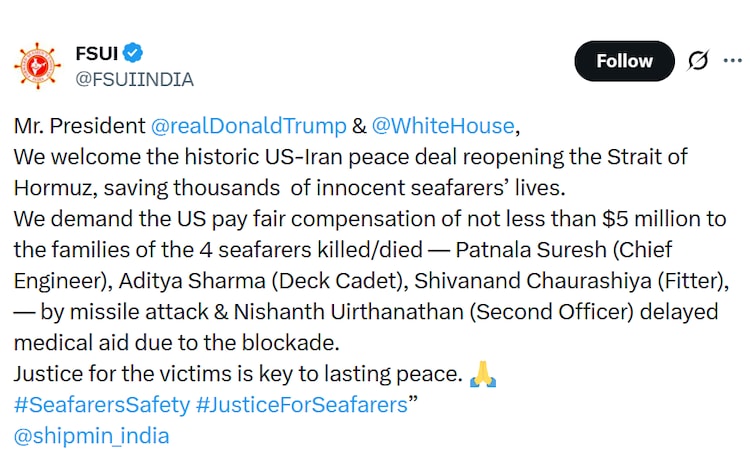
“Mr. President @realDonaldTrump & @WhiteHouse, We welcome the historic US-Iran peace deal reopening the Strait of Hormuz, saving thousands of innocent seafarers’ lives.
We demand the US pay fair compensation of not less than $5 million to the families of the 4 seafarers killed/died — Patnala Suresh (Chief Engineer), Aditya Sharma (Deck Cadet), Shivanand Chaurashiya (Fitter), — by missile attack & Nishanth Uirthanathan (Second Officer) delayed medical aid due to the blockade. Justice for the victims is key to lasting peace,” it wrote on X.
US-IRAN DEAL SET TO BE SIGNED ON JUNE 19
After a prolonged tussle of over 100 days, Washington and Tehran are set to sign the peace deal on June 19. The deal is expected to bring lasting peace to the conflict-torn West Asian region.
While the full text of the agreement has not been made public, news agency Reuters has reported several key provisions based on information from a senior Iranian official familiar with the draft memorandum.
This reported framework essentially lays out a multiphase roadmap designed to trade immediate economic relief for strict nuclear limits, all packaged within a broader push for regional stability.
At its core, the deal kicks off with an immediate cease-fire, the reopening of the Strait of Hormuz to commercial shipping, and the launch of a strict 60-day negotiating window. In exchange for pausing hostilities and opening up the waterways, Iran would receive immediate economic breathing room. This includes the unfreezing of its frozen assets, the lifting of US restrictions on Iranian ports, temporary waivers to resume exporting oil, and a commitment from Washington that no new sanctions will be introduced while talks are ongoing.
On the nuclear front, Iran would commit to completely halting further uranium enrichment, freezing any expansion of its nuclear facilities, and opening negotiations regarding its existing enriched uranium stockpile, all under a formal pledge never to pursue nuclear weapons. The framework also shifts focus toward long-term regional stability, initiating broader security arrangements and economic discussions to prevent future flare-ups.
Depending on which version of the framework is looked at, the scope could expand dramatically into a massive regional rebuilding effort. Some versions outline a historic $300 billion reconstruction and economic development package, paired with a phased rollout of permanent sanctions relief, long-term foreign investment mechanisms, and deeply integrated economic cooperation designed to anchor lasting peace in the region.
- Ends
Published By:
Akash Chatterjee
Published On:
Jun 15, 2026 17:21 IST





 English (US) ·