

 2 hours ago
6
2 hours ago
6
ARTICLE AD BOX
Last Updated:April 10, 2026, 12:17 IST
Israel Vs Lebanon: Why Are The Two Nations Sworn Enemies? Who Is The Hezbollah? What Is The Palestine Dispute? Is There A Way To Peace? News18 explains


News18
Israel’s massive attacks in Beirut and other parts of Lebanon this week are threatening to derail a fragile ceasefire achieved between the US and Iran. But what is the conflict?
The rivalry between Israel and Lebanon is a long-standing state of ‘enemy status’ characterised by territorial disputes, major military invasions, and a shifting set of regional foes. News18 explains the history.
THE CURRENT ISRAEL-LEBANON CLASH
Tehran argues that the strikes violate the truce, which it says included Lebanon — a position echoed by mediator Pakistan. Israel and the United States say Lebanon was not part of the deal.
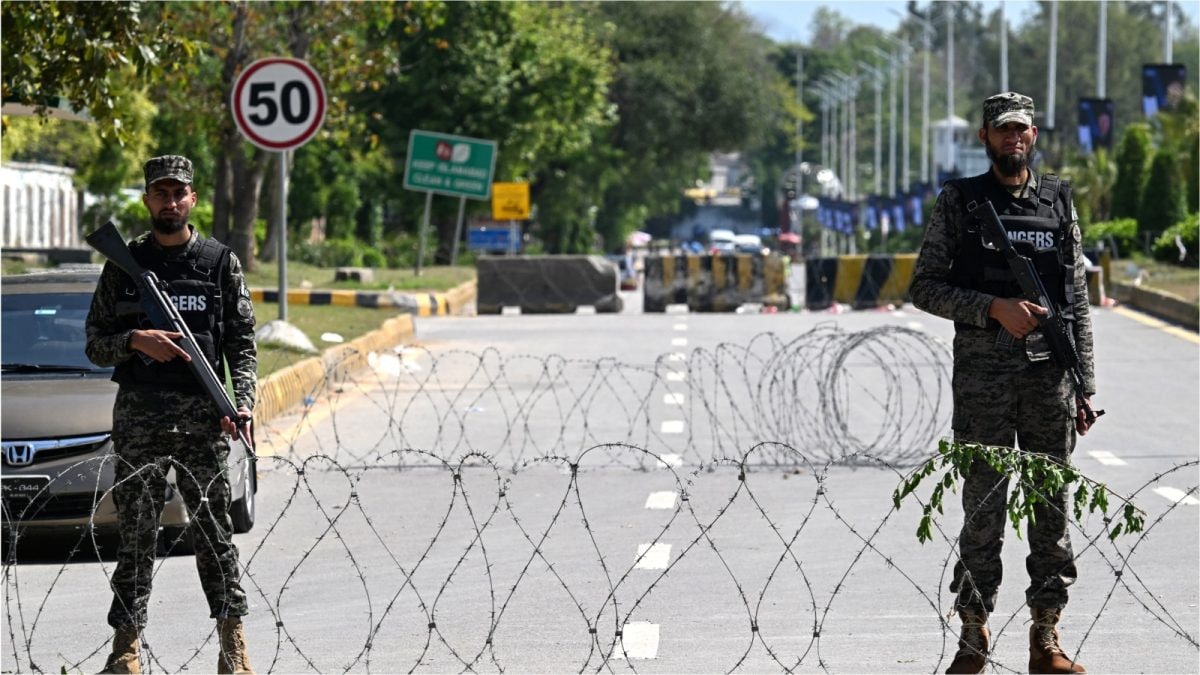
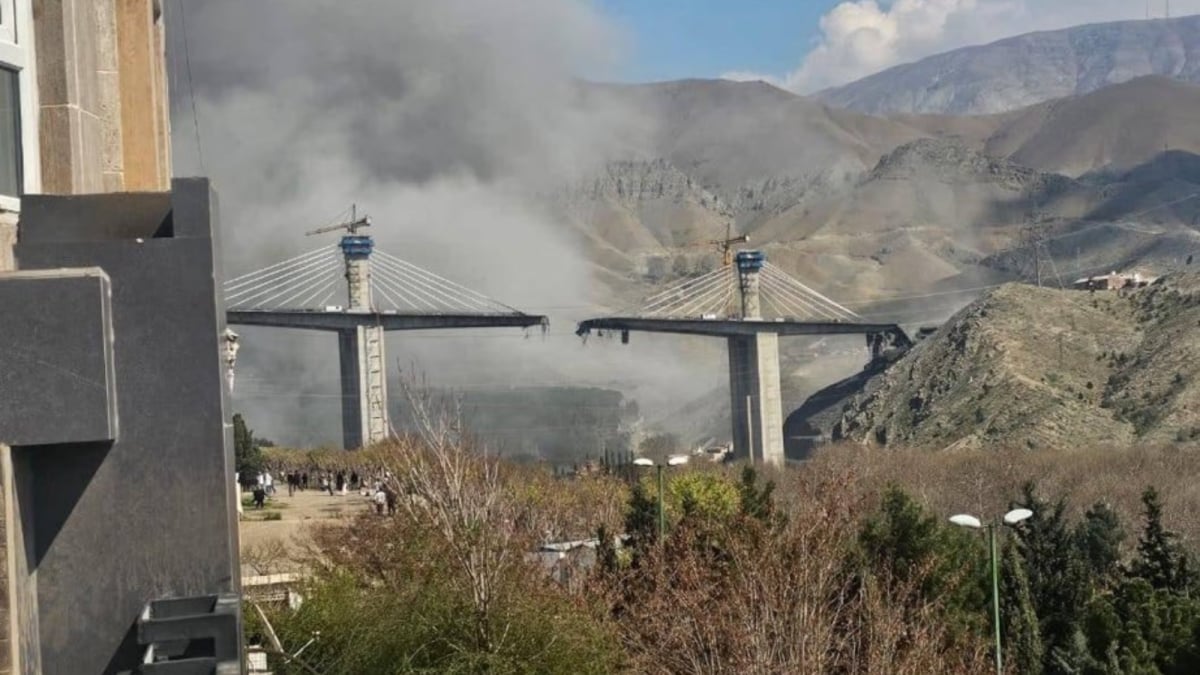
As US and Iranian delegations prepare to begin negotiations in Islamabad, Pakistan, this weekend, what happens next in Lebanon will be a potential wildcard. At least 303 people were killed in Wednesday’s strikes alone, according to Lebanon’s Health Ministry.
“The Lebanese front may ultimately undermine efforts to sustain the ceasefire," said Danny Citrinowicz, senior researcher in the Iran and the Shiite Axis Program at the Institute for National Security Studies (INSS) in Tel Aviv.
From Tehran’s perspective, Israel’s continued attacks on Lebanon “may justify a renewed response against Israel," he added. The negotiations between the United States and Iran have been put on hold until Washington ensures a ceasefire between Israel and Lebanon, according to a report by The Jerusalem Post.
ISRAEL VS LEBANON: THE HISTORY, SEQUENCE OF EVENTS EXPLAINED
While the two countries technically remain at war, the conflict is largely driven by non-state actors operating from Lebanese soil, such as the Palestine Liberation Organization (PLO) in the 1970s and Hezbollah from 1982 to the present, according to Al Jazeera and other reports.
1948 War & Refugee Crisis: Lebanon joined other Arab nations in declaring war on Israel upon its 1948 founding. After the conflict, over 100,000 Palestinian refugees settled in Lebanon, which later became a base for militant resistance groups.
The PLO Era (1968–1982): After being expelled from Jordan in 1970, the Palestine Liberation Organisation (PLO) relocated to southern Lebanon, using it as a launching pad for attacks into northern Israel. This led to major Israeli retaliatory raids and the first invasion in 1978 (Operation Litani).
1982 Invasion & Hezbollah’s Rise: Israel invaded again in 1982, reaching Beirut to expel the PLO. In the vacuum left by the PLO’s departure and during the subsequent Israeli occupation of southern Lebanon (1985–2000), Hezbollah was formed with Iranian support to fight the occupation.
What happened since 2000?
In 2006, a 34-day conflict ignited after Hezbollah captured two Israeli soldiers. It resulted in heavy casualties and widespread destruction of Lebanese infrastructure.
Despite a 2006 UN-brokered ceasefire (Resolution 1701), tensions have persisted over disputed areas like the Shebaa Farms and frequent cross-border skirmishes.
Following the October 7, 2023, Hamas-led attack on Israel, Hezbollah began launching near-daily rocket attacks in solidarity with Gaza. This led to a massive Israeli aerial campaign in 2024—including the remote detonation of communication devices—and a ground invasion in October 2024 to push Hezbollah forces back from the border.
A US-mediated ceasefire was implemented in late 2024, but Israel has maintained a sustained military presence at several strategic hilltop positions into 2025, citing delays in Hezbollah’s full disarmament.
WHAT IS THE PALESTINE CONFLICT?
The Palestine conflict is a long-running struggle between Israel and Palestinians over the same land.
Palestinians, represented historically by groups like the Palestine Liberation Organization, seek an independent state. Israel, established in 1948, controls much of that territory.
Both sides claim the land for historical, political, and religious reasons.
WHO IS HEZBOLLAH?
Hezbollah (meaning ‘Party of God’) is a powerful Shiite Muslim political party and militant group based in Lebanon. It was formed in the early 1980s with substantial funding and training from
Iran to oppose the 1982 Israeli invasion of Lebanon. Today, it functions as a “state within a state", maintaining its own standing army—often considered more capable than the official Lebanese Armed Forces—and providing extensive social services like hospitals and schools.
As of April 2026, Naim Qassem is the Secretary-General of Hezbollah. A foundational member of the group, Qassem served as deputy leader for over 30 years before being elected to the top post in October 2024. He took charge after long-time leader Hassan Nasrallah was assassinated by an Israeli airstrike in September 2024, and Nasrallah’s presumed successor, Hashem Safieddine, was killed shortly thereafter. Qassem has recently been designated a “marked target for elimination" by Israel following renewed cross-border hostilities in early 2026.
WHY IS HEZBOLLAH AGAINST ISRAEL?
Hezbollah’s opposition to Israel is central to its identity and is rooted in several ideological and territorial factors:
Hezbollah’s original 1985 manifesto called for the “obliteration" of Israel, viewing it as an illegitimate “Zionist entity" and a colonial outpost of Western powers (specifically the U.S.) in the Middle East.
While Israel withdrew from southern Lebanon in 2000, Hezbollah continues to claim that Israel is occupying Lebanese land, specifically the Shebaa Farms.
As a key member of Iran’s “Axis of Resistance," Hezbollah acts as a strategic deterrent and offensive arm for Tehran against Israel. Hezbollah maintains that its military actions are often in support of the Palestinian cause, frequently launching attacks to pressure Israel during conflicts in Gaza.
Most recently, Hezbollah resumed rocket strikes against Israel in February 2026, claiming retaliation for the killing of Iranian Supreme Leader Ayatollah Ali Khamenei during a joint US-Israeli military.
CAN THE ISRAEL-LEBANON HOSTILITIES END?
The most immediate hurdle is the disagreement over whether the recent US-Iran ceasefire includes Lebanon. Pakistani Prime Minister Shehbaz Sharif, acting as a central mediator, announced that the ceasefire applies “everywhere including Lebanon". Israeli Prime Minister Benjamin Netanyahu has explicitly stated there is “no ceasefire in Lebanon," authorizing continued “Operation Eternal Darkness" strikes to eliminate Hezbollah threats.
Iran has insisted that an end to fighting in Lebanon is a precondition for the wider regional truce to hold.
Diplomats from the United Nations and France maintain that the only long-term solution is the complete enforcement of Resolution 1701, which requires:
- Buffer Zone: The area between the Blue Line (border) and the Litani River must be free of any armed personnel or weapons except those of the Lebanese Armed Forces (LAF) and UNIFIL.
- The resolution calls for the disarmament of all non-state groups such as Hezbollah in Lebanon.
- Israel must withdraw all forces from Lebanese territory in parallel with LAF deployment.
Lebanese President Joseph Aoun has proposed a new diplomatic track. Aoun has called for direct negotiations with Israel under international sponsorship to achieve a formal peace agreement.
The plan involves the Lebanese army taking full control of the border and dismantling Hezbollah’s military infrastructure; and formal guarantees that would allow displaced residents on both sides of the border to return home.
Experts suggest that only direct engagement from the U.S. Presidency can bridge the gap between Israel’s military objectives and the regional demand for a ceasefire. High-level talks are scheduled to begin in Islamabad, Pakistan, as soon as Friday, April 10, 2026, aimed at finding a permanent resolution.
WILL ISRAEL-LEBANON CLASH IMPACT US-IRAN CEASEFIRE?
Pakistan, the central mediator, announced the ceasefire applies “everywhere including Lebanon." However, the United States and Israel maintain that Lebanon is excluded, with U.S. officials labeling the Lebanon strikes a “separate skirmish."
Iran has declared that continued Israeli attacks in Lebanon are a “grave violation" of the deal. Foreign Minister Abbas Araghchi warned that Washington must choose between the “ceasefire or continued war via Israel," stating that Iran cannot accept both.
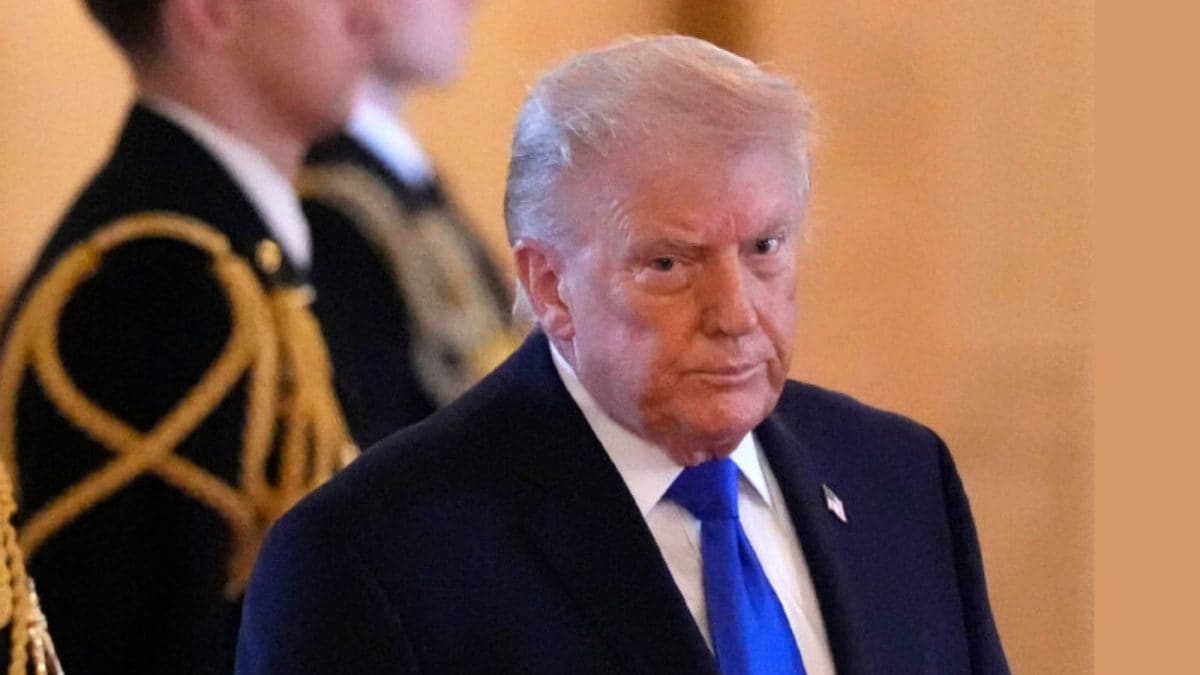
In direct retaliation for Israeli strikes in Lebanon, Iran has reportedly halted tanker traffic through the Strait of Hormuz once again. President Trump has accused Iran of “dishonourable" conduct and breaching the agreement by not allowing oil to flow.
Negotiations scheduled to begin in Islamabad, Pakistan, this weekend are now in jeopardy. Iranian officials have suggested that Israeli “sabotage" in Lebanon may force them to withdraw from the talks entirely, according to Al Jazeera and other reports.
Status of hostilities
Israel has intensified strikes on Lebanon, targeting over 100 Hezbollah sites in a single day, asserting it will achieve its objectives with or without an agreement.
Reports indicate President Trump has asked Prime Minister Netanyahu to be “more low-key" in Lebanon to protect the US-Iran negotiations.
Hezbollah initially signalled it would halt attacks during the truce, it launched fresh rocket strikes on northern Israel on April 9 and 10, claiming they will continue until Israel stops bombing Lebanon.
KEY FAQs
Why is Israel fighting in Lebanon now?
Because Israel is targeting Hezbollah in Lebanon, which is allied with Iran and has been attacking Israel.
Why does this affect the US-Iran ceasefire?
There’s confusion — Iran says Lebanon should be included, but Israel says it’s not part of the ceasefire, so fighting continues.
Why is this a problem?
Ongoing Israeli strikes in Lebanon risk breaking the ceasefire, and Iran has warned it may restart the war if attacks continue.
With agency inputs
Handpicked stories, in your inbox
A newsletter with the best of our journalism
First Published:
April 10, 2026, 12:13 IST
News explainers Israel-Lebanon Clash: Why Decades-Old Rivalry Is Casting A Shadow On US-Iran Ceasefire Explained
Disclaimer: Comments reflect users’ views, not News18’s. Please keep discussions respectful and constructive. Abusive, defamatory, or illegal comments will be removed. News18 may disable any comment at its discretion. By posting, you agree to our Terms of Use and Privacy Policy.
Read More




 English (US) ·