

 1 hour ago
2
1 hour ago
2
ARTICLE AD BOX
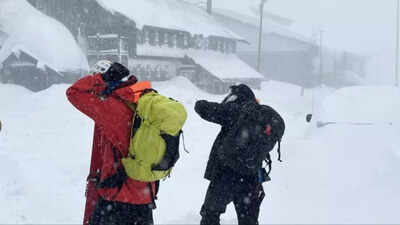
Skiers Ignored Avalanche Warnings? Tragedy Strikes Lake Tahoe Backcountry
A massive avalanche struck the Castle Peak area north of Lake Tahoe on Tuesday, February 17, 2026, leaving at least 10 backcountry skiers missing and forcing rescuers to race against time and worsening weather to reach survivors trapped deep in the Sierra Nevada snow. The incident, which occurred around 11:30 am local time, occurred in the midst of a powerful and long-duration winter storm that has brought heavy snowfall, hurricane-force winds and whiteout conditions to California’s high elevations.The group, 16 skiers comprised of four guides and 12 clients on a three-day backcountry ski tour, was swept up by the avalanche at about 8,200 feet elevation near Frog Lake huts, situated northwest of Truckee. Rescue efforts managed to locate six survivors who were alive but awaiting extraction, while 10 others remain unaccounted for, feared buried under vast depths of newly accumulated snow.
Lake Tahoe rescue struggle amid extreme conditions
Emergency response teams, including specialised search and rescue ski units, snowcats and snowmobile crews, have been battling blizzard-like conditions to reach the scene.
Heavy snow and shifting winds have reduced visibility, blocked access routes and made travel perilous even for trained responders. Authorities have asked survivors who are sheltering on site to stay put as crews chart a cautious path through the avalanche terrain.The Sierra Avalanche Center had issued a “high avalanche danger” warning just hours before the incident, highlighting unstable snowpack layers and rapidly accumulating snowfall, with forecasts of up to 8 feet of snow in parts of the range, making conditions extremely dangerous outside controlled resort terrains.
Nearby ski resorts, such as those around Lake Tahoe, completely or partially closed operations due to the storm, recognising that avalanche mitigation systems in managed resort environments cannot eliminate the extremely high risk in open backcountry zones.
Season of extremes: A deadly winter across California mountains
This is far from an isolated winter mishap; the Lake Tahoe avalanche caps what many have already described as one of the deadliest and most severe winter seasons in recent years for California’s mountains.
In Mammoth Mountain and other popular ski areas, multiple fatalities and serious injuries have occurred from falls and snow instability in recent weeks, including at least two separate deaths at Northstar California Resort within days of one another.California’s rugged terrain has, in multiple instances this winter, turned treacherous under the stress of heavy snow and storm conditions. State officials and safety experts have repeatedly warned that trekking or skiing in unmonitored backcountry areas during peak storm activity can be extremely dangerous, especially where snowpacks have weak internal layers primed for slides.
Why Lake Tahoe avalanche has become national news
What sets this disaster apart and why it has captured widespread media attention, is partly its scale and partly its timing. Avalanches often affect individuals or small parties but the Castle Peak incident involved an organised group with guides, making it a rare and sobering reminder of backcountry risks for even experienced outdoor adventurers. This avalanche occurred amid a significant winter storm that has snarled roads, shut down highways such as Interstate 80 and dumped dozens of inches of snow across the region, significantly increasing avalanche hazard.
Rescuers are contending not just with snow and cold but with avalanche danger that persists even after the initial slide. Blizzard conditions force careful, slow movement toward survivors, while unstable layers of snow could spark further slides. Winter storm forecasters and avalanche experts have underscored that such events are not only possible but expected when rapid accumulation of snowfall combines with strong winds and weak snowpack layers.In backcountry terrain, areas beyond marked and controlled resort boundaries, the risk can increase dramatically, particularly in the middle of a storm cycle when layers of fresh snow don’t have time to bond with older snow. This context, a dynamic snowpack, heavy storm loading and gusty winds, makes conditions far more unpredictable and inherently more dangerous compared to groomed runs inside ski resorts.The broader Lake Tahoe region, including communities spanning from Truckee to Soda Springs, has been experiencing record or near-record snow totals.
Local weather services have repeatedly warned residents and travellers to avoid unnecessary travel and to be aware that highways like Interstate 80 and mountain passes are subject to closure and hazardous driving conditions due to spinouts and blocked roads.
Local Reddit commenters and community members have echoed concern about the dangerous backcountry conditions, noting how the winter snow, while ecologically beneficial, has created a context where avalanche risk remains exceptionally high throughout the Sierra Nevada.
Human toll and broader impacts of Lake Tahoe avalanche
As rescue operations continue, the human toll remains uncertain. Families of the missing skiers are awaiting updates, while survivors brace for extraction amid brutal cold and wind. The Nevada County Sheriff’s Office, along with multiple county and state agencies, continues to coordinate efforts, emphasizing that search strategies are complicated by terrain and ongoing weather hazards.This tragedy serves as a stark reminder of both the allure and the hazards of winter sports in rugged wilderness areas, a powerful combination of natural beauty and serious risk that draws adventurers from across the country.
A massive avalanche near Lake Tahoe struck on February 17, 2026, leaving 10 skiers missing and six found alive amid severe storm conditions. The incident occurred during an intense winter storm in the Sierra Nevada that brought heavy snow and high avalanche danger warnings.Rescue crews are battling whiteout conditions, high winds and avalanche hazards as they attempt to reach survivors and locate the missing. This event caps a deeply dangerous winter season in the region, with past fatalities and multiple hazard warnings underscoring the risks faced by backcountry adventurers and locals alike. The Lake Tahoe avalanche and extreme winter conditions have reignited broader debates about backcountry skiing safety, storm preparedness and weather-related risk management in mountain regions, capturing national attention well beyond California.









 English (US) ·