

ARTICLE AD BOX
Cheshire Disability Trust, in partnership with NILD Kolkata, Neomotion and Zomato, supports 20 PwDs with mobility vehicles and skill development for sustainable livelihoods
KOLKATA (India CSR): In a significant step toward inclusive livelihood development, Cheshire Disability Trust (CDT) organized a special empowerment program titled “Livelihood on Wheels” in Kolkata on February 23, 2026. The initiative was conducted in collaboration with the National Institute for Locomotor Disabilities (NILD) Kolkata, Neomotion, and Zomato, with financial support from Ujjivan Small Finance Bank.
The program focused on enabling persons with disabilities (PwDs) to gain sustainable income opportunities through mobility support, skill development, and community engagement. By combining rehabilitation expertise with livelihood training, the initiative aimed to strengthen independence, dignity, and economic participation among beneficiaries.
Event Inauguration and Leadership Participation
The event was inaugurated by Dr. Lalit Narayan, Director of NILD Kolkata, who highlighted the importance of collaborative initiatives that bridge rehabilitation services and livelihood opportunities.
The gathering also saw active participation from volunteers, rehabilitation professionals, students, families of beneficiaries, and program coordinators, demonstrating a strong ecosystem of support for disability inclusion.
The program was presided over by several dignitaries representing healthcare, corporate, and nonprofit sectors, including:
- Dr. Prasanna Kumar Lenka, Head of the Department of Prosthetics and Orthotics, NILD
- Sonali Paul, Ujjivan Small Finance Bank
- Shabari, Ujjivan Small Finance Bank
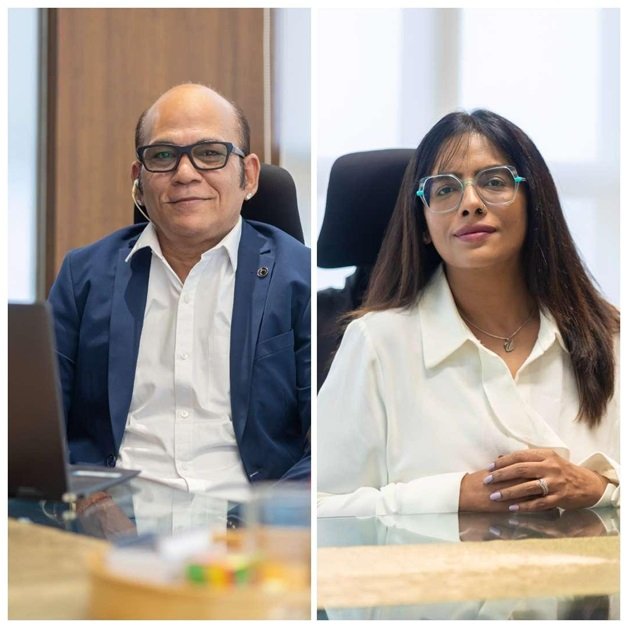
- Anuradha Patil, CEO, Cheshire Disability Trust
- Chittaranjan Behra, President, Cheshire Homes Kolkata
- Rohit Saha, Coordinator, Neomotion
- Anuradha Valluri, Manager, Cheshire Disability Trust
Mobility Vehicles Distributed to 20 Beneficiaries
A key highlight of the event was the distribution of specially designed mobility vehicles to 20 persons with disabilities. These vehicles are intended to help beneficiaries pursue income-generating activities such as delivery services and small-scale mobility-based employment.
The initiative ensures that beneficiaries can overcome transportation barriers that often limit access to work opportunities. With these mobility solutions, individuals are better equipped to engage in daily economic activities while maintaining independence. The distribution ceremony symbolized not only the provision of assistive devices but also a commitment to long-term livelihood support.
Skill Development and Capacity Building
Beyond mobility assistance, the program incorporated structured skill development sessions designed to prepare participants for professional engagement.
Training modules focused on practical and life skills, including:
- Road safety awareness
- Customer relationship management
- Communication skills
- Soft skills development
- Financial literacy and money management
These workshops were tailored to enhance both employability and entrepreneurial confidence among participants. The training sessions aimed to equip beneficiaries with the competencies required to succeed in service-based roles and independent livelihood activities.
Comprehensive Assessments and Rehabilitation Support
The program followed a multi-stage assessment and training model to ensure the effectiveness of the intervention. This structured approach allowed experts to tailor support according to the physical abilities, economic needs, and personal goals of each participant.
The process included:
- Initial Level Screening: Identification of beneficiaries and assessment of mobility needs.
- Clinical Evaluation: Medical and functional assessments conducted by rehabilitation professionals.
- Skill Workshops: Targeted sessions focusing on vocational readiness and soft skills.
- Vehicle Orientation: Training on safe and efficient use of mobility vehicles.
- Home Visits: Follow-up visits to monitor utilization and address operational challenges.
Building Confidence and Economic Independence
The initiative focused on strengthening self-confidence and financial independence among persons with disabilities. Access to mobility vehicles enables beneficiaries to explore employment options that require travel, including delivery services and community-based enterprises.
In addition to economic empowerment, the program helped participants develop a sense of dignity and autonomy in their daily lives. Through continuous engagement and mentorship, beneficiaries are expected to sustain their livelihoods and contribute actively to their communities.
Collaboration Driving Inclusive Development
The event also demonstrated how multi-sector partnerships can create impactful solutions for social inclusion.
The collaboration brought together:
- NGOs providing community support and program management
- Government institutions offering clinical expertise and rehabilitation services
- Corporate partners contributing technology, platforms, and financial resources
This integrated model highlights how cross-sector collaboration can accelerate opportunities for persons with disabilities.
Raising Awareness on Inclusive Practices
Apart from beneficiary support, the program played an important role in sensitizing students, professionals, and community members about disability inclusion. Rehabilitation experts and volunteers interacted with participants to share insights about assistive technologies, mobility solutions, and inclusive employment practices.
The initiative helped create a deeper understanding of how accessible infrastructure and supportive ecosystems can transform the lives of persons with disabilities.
Creating Lasting Social Impact
The “Livelihood on Wheels” program illustrates how thoughtful interventions can address both mobility challenges and livelihood barriers faced by persons with disabilities. By integrating clinical rehabilitation, skills training, and financial literacy, the initiative ensures that beneficiaries receive holistic support rather than one-time assistance.
The program’s impact goes beyond the immediate distribution of vehicles. It creates a pathway toward sustainable income, social inclusion, and improved quality of life. Such initiatives contribute significantly to building a society where individuals with disabilities are empowered to live with independence, dignity, and opportunity.
(India CSR)

ADVERTISEMENT

ADVERTISEMENT
ADVERTISEMENT
ADVERTISEMENT





 English (US) ·