

 1 week ago
12
1 week ago
12
ARTICLE AD BOX
Last Updated:February 12, 2026, 14:48 IST
PM Narendra Modi will inaugurate the Seva Teerth tomorrow, February 13, at around 1:30 PM.
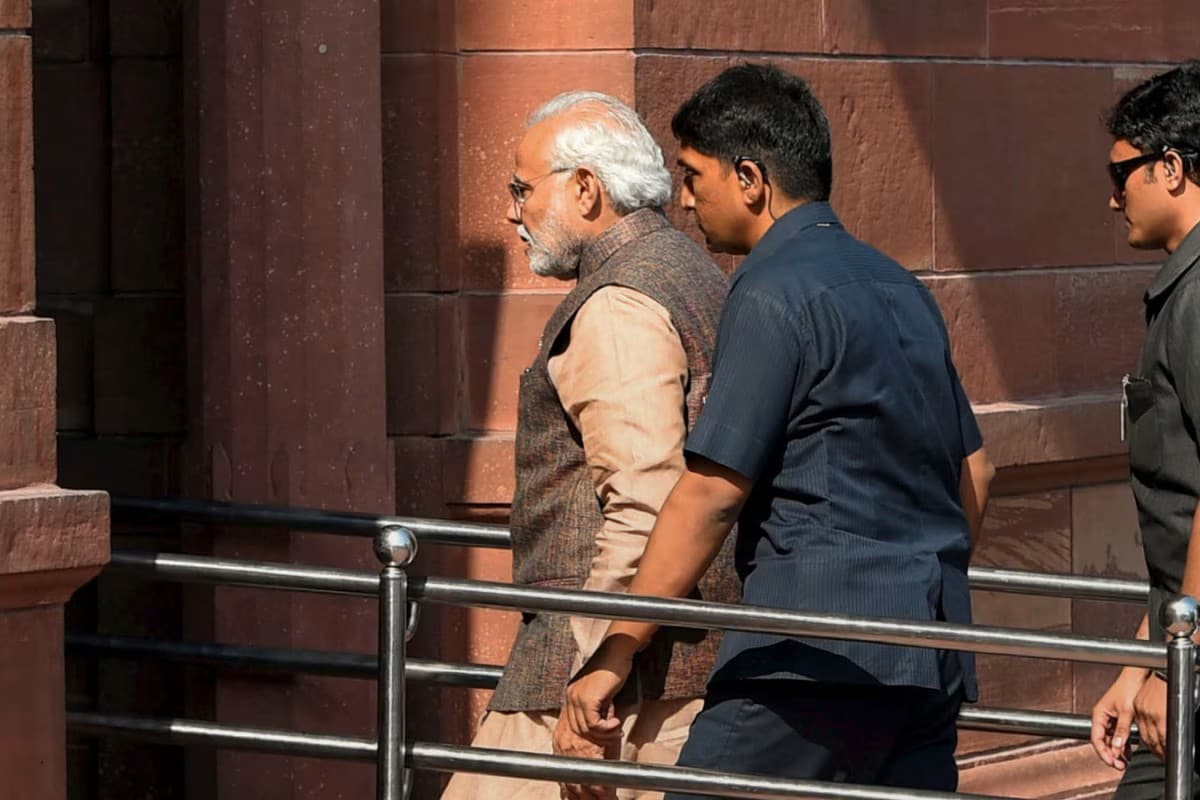
In a historic shift, the Prime Minister’s Office (PMO) will move out of South Block for the first time since Independence. On February 13, 2026, Prime Minister Narendra Modi will unveil the name of the new building complex, Seva Teerth, at around 1:30 PM, formally inaugurate Seva Teerth and Kartavya Bhavan‑1 & 2, and later address a public programme at Seva Teerth at 6 PM.
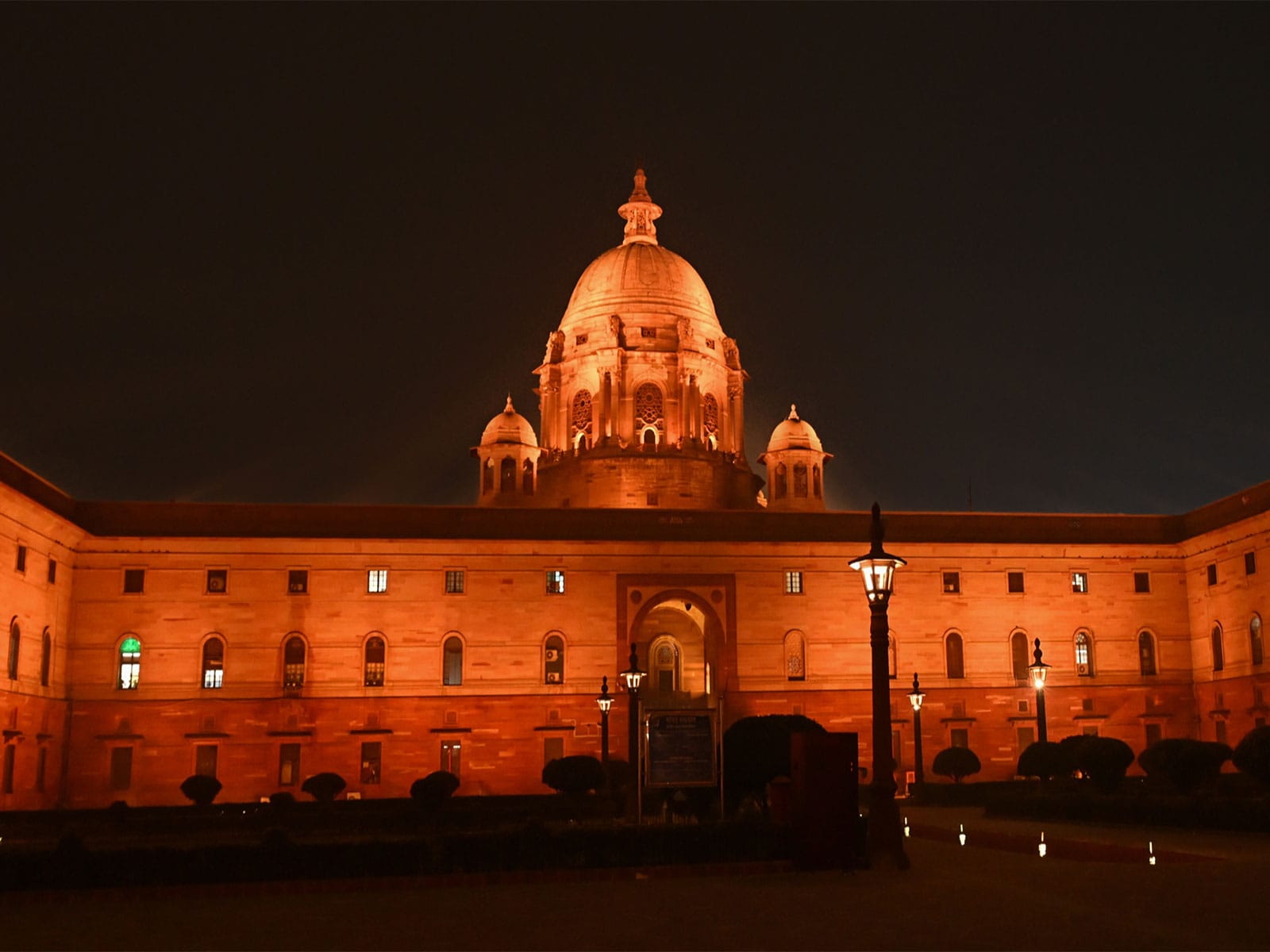
For 78 years, South Block has been the epicentre of India’s governance, housing the PMO alongside the Ministry of Defence and the Ministry of External Affairs. It has witnessed decisions that shaped the nation’s destiny, from wartime strategies to landmark economic reforms. The move marks the end of an era, as the PMO relocates less than a kilometre away on Raisina Hill.
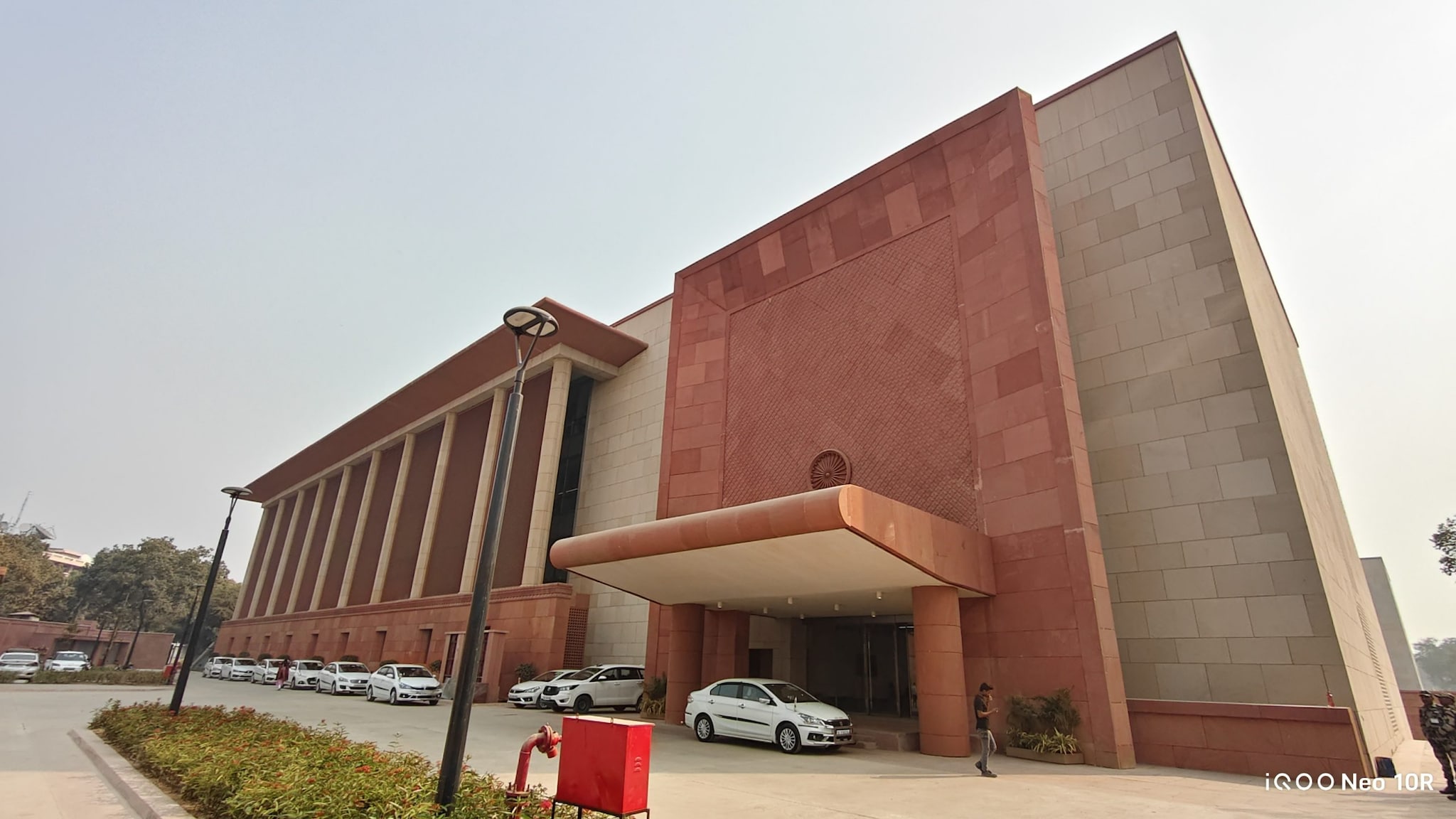
The PMO will now function from Seva Teerth ‑1, part of the newly developed Executive Enclave‑I under the Central Vista project. The complex consolidates several key offices that were previously scattered across different locations: Seva Teerth ‑1: Prime Minister’s Office; Seva Teerth ‑2: Cabinet Secretariat (shifted from Rashtrapati Bhavan), and Seva Teerth ‑3: National Security Adviser’s Office (moved from Sardar Patel Bhavan). The enclave also houses the National Security Council Secretariat, a modern conference hall, and India House, a new venue for hosting high‑level delegations.
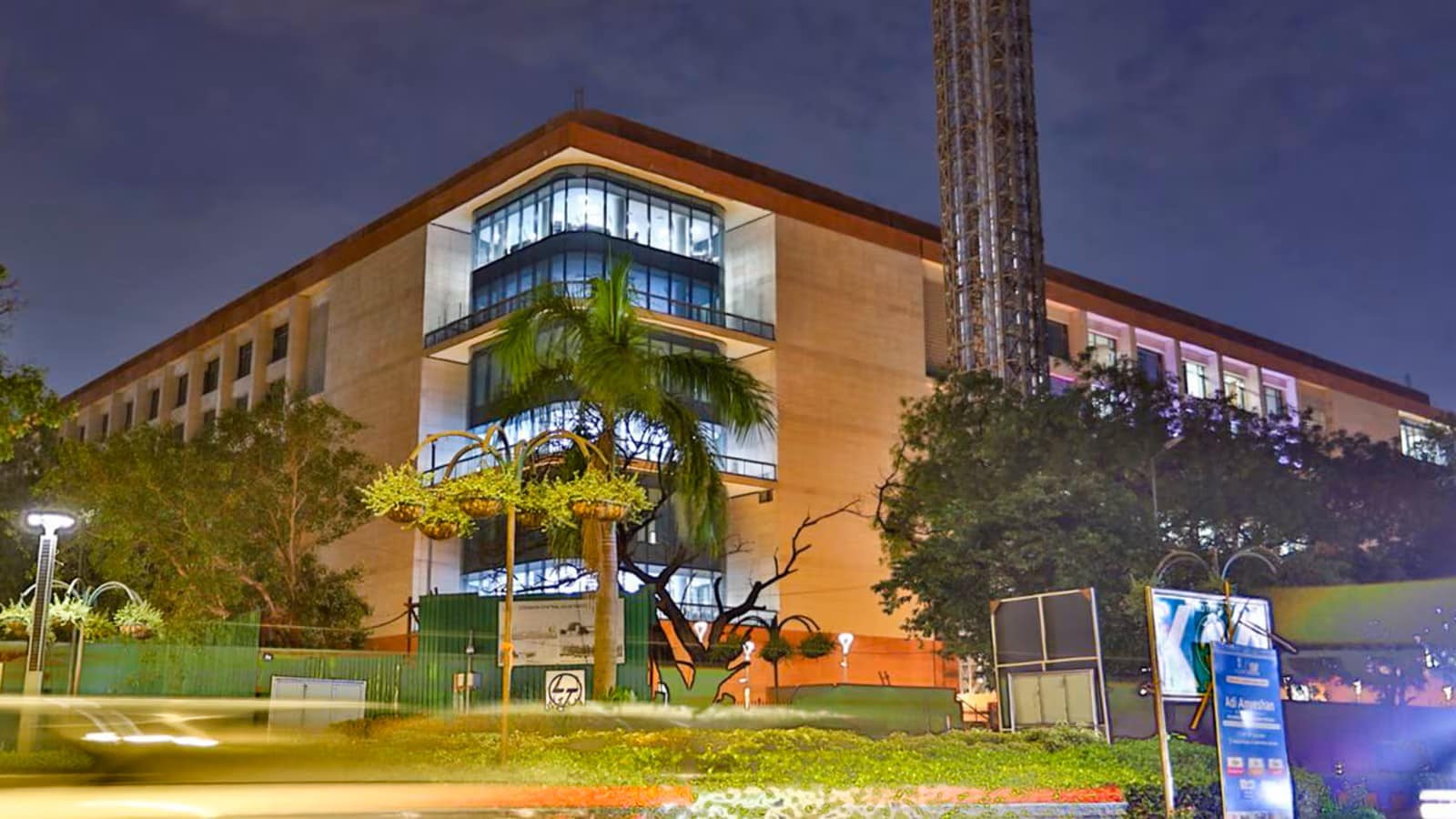
Alongside Seva Teerth, the Prime Minister will inaugurate Kartavya Bhavan ‑1 & 2, which bring together several key ministries under one roof. These include Ministry of Finance, Ministry of Defence, Ministry of Health & Family Welfare, Ministry of Corporate Affairs, Ministry of Education, Ministry of Culture, Ministry of Law & Justice, Ministry of Information & Broadcasting, Ministry of Agriculture & Farmers Welfare, Ministry of Chemicals & Fertilizers, and Ministry of Tribal Affairs. This consolidation addresses long‑standing challenges of fragmented offices, operational inefficiencies, and escalating maintenance costs.
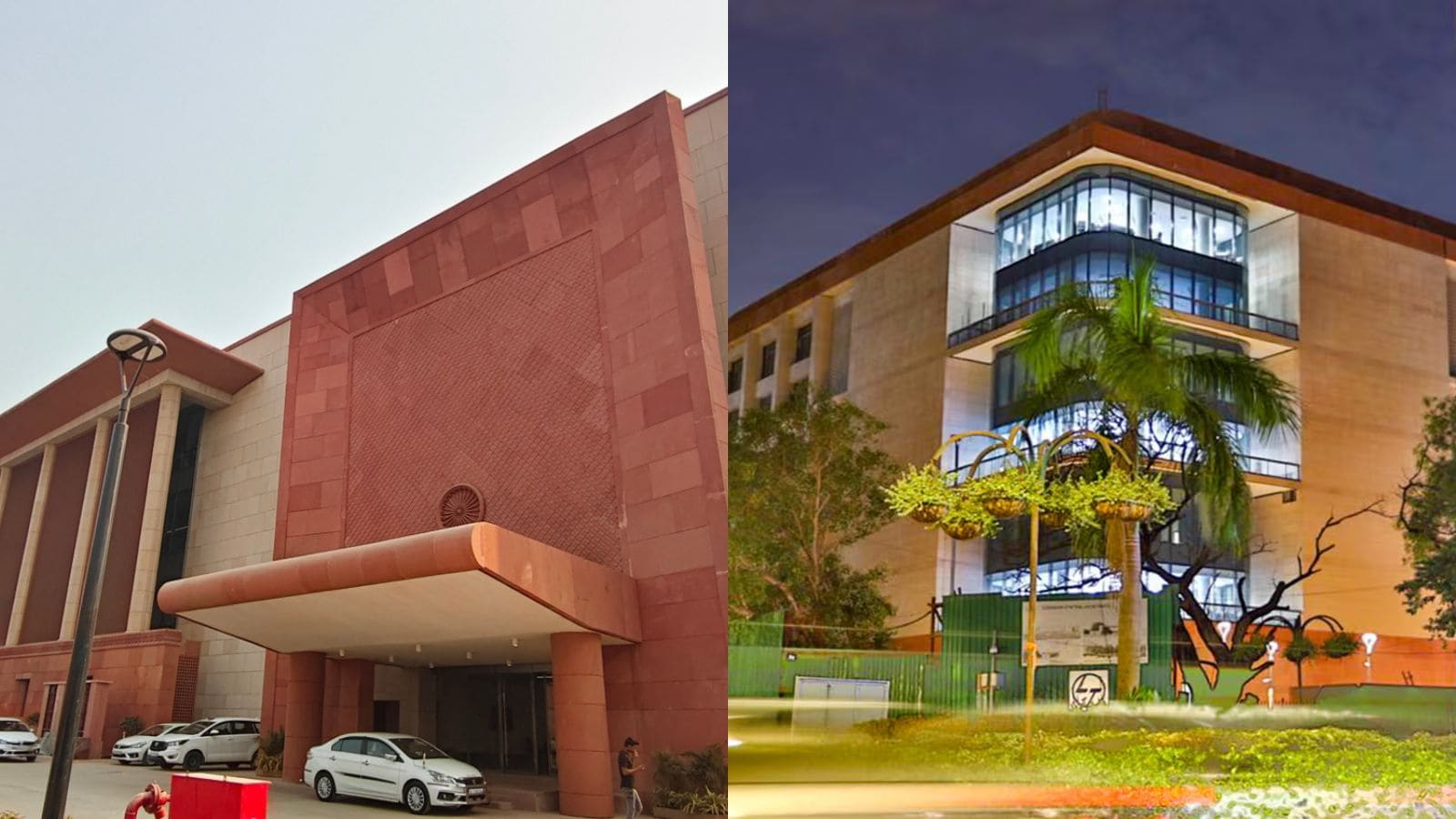
Both Seva Teerth and Kartavya Bhavan complexes are designed to be digitally integrated, future‑ready facilities. Key features include structured public interface zones and centralized reception facilities for improved citizen engagement, digitally connected offices to foster collaboration and seamless governance, 4‑Star GRIHA standards for sustainability, incorporating renewable energy systems, water conservation, waste management, and high‑performance building envelopes, and comprehensive safety and security frameworks, including smart access control, surveillance networks, and advanced emergency response systems. These measures reduce environmental impact, enhance operational efficiency, and ensure a secure, accessible environment for officials and visitors.
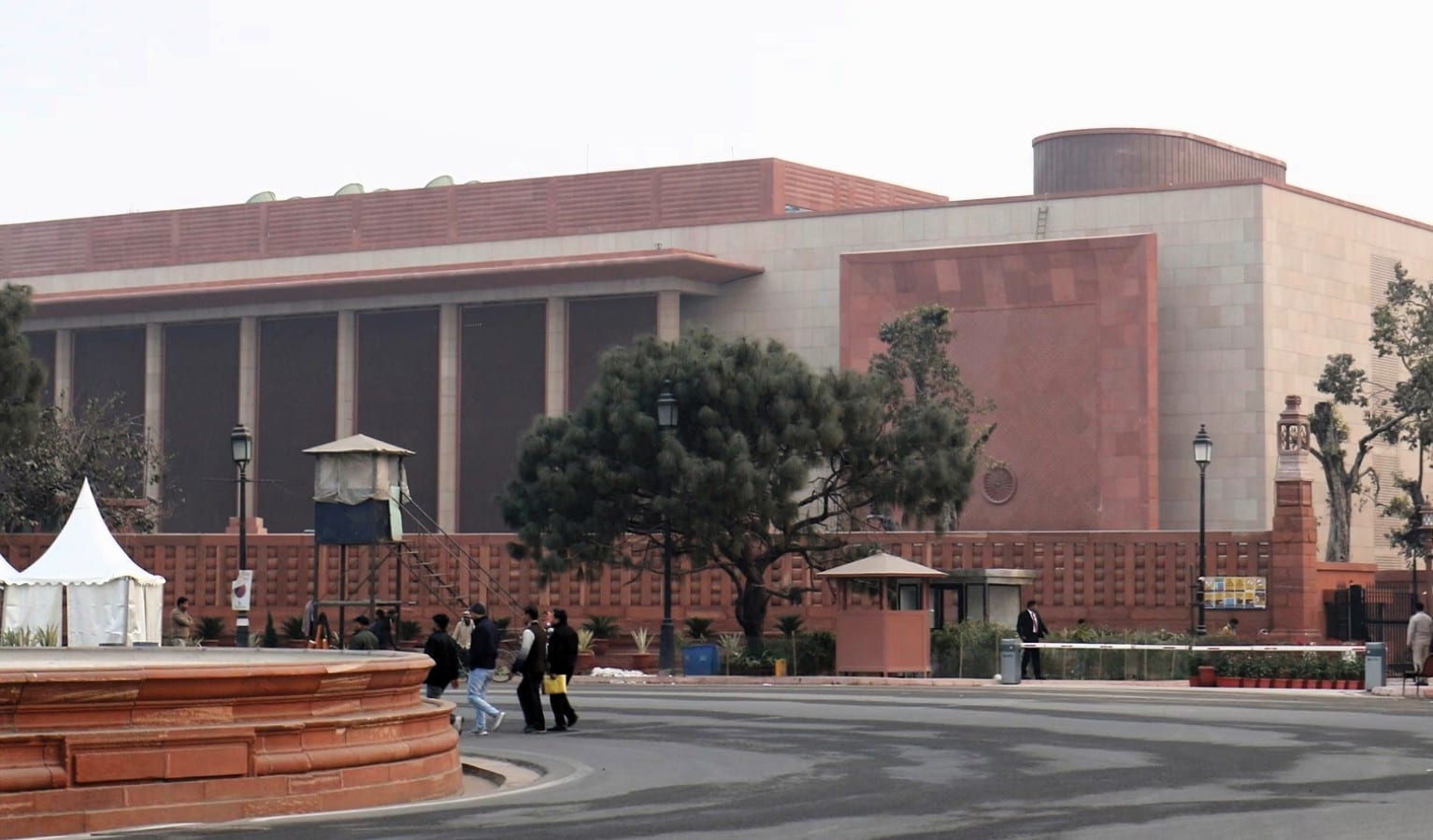
The relocation is not just logistical; it is symbolic. Moving from colonial‑era South Block to Seva Teerth reflects India’s transition from inherited infrastructure to a modern, citizen‑centric governance model. The name itself, Seva Teerth, meaning “sanctuary of service”, underscores the government’s vision of public service as a sacred duty.
News Photogallery india PMO To Leave South Block After 78 Years: Seva Teerth To Become New Power Centre




 English (US) ·