

 6 hours ago
4
6 hours ago
4
Incentives given to families in Andhra Pradesh at the birth of a third and a fourth child are an effort at population management, not mandatory by any means, and a way to draw attention to the State’s low and declining Total Fertility Rate (TFR), according to IT & Electronics and HRD Minister Nara Lokesh.
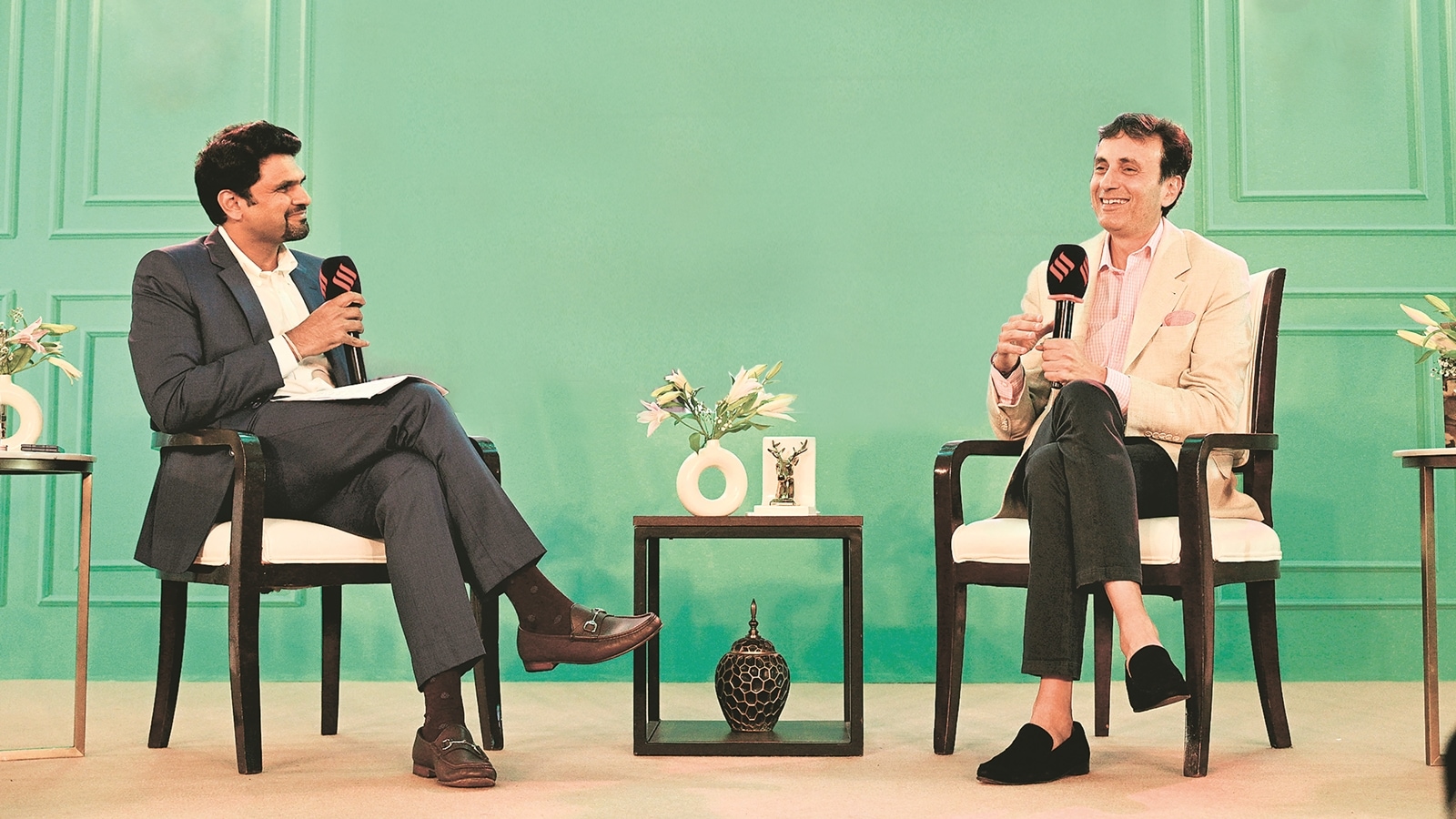
Speaking at The Hindu “Mind” series of curated conversations in New Delhi, Mr. Lokesh said that a debate over demographic challenges was a necessity in current times.

“Andhra Pradesh today is at a TFR of 1.5, below the replacement rate of 2.1. We are not mandating that families should have more children, but pointing out that it is important to have this conversation. As a State, we felt that this is the right way to create a mechanism where families that choose to have more children are supported by the State. So, as the honourable Chief Minister (N. Chandrababu Naidu) has already announced, at birth there’s a Direct Benefit Transfer (DBT) programme, and already in Andhra Pradesh, from Class 1 to Class 12, for the number of children that you have, there’s already a DBT programme that’s working,” he said.
“We believe that this 1.5 TFR will further drop before it gets any better. Therefore, I think it is important to have this debate,” he said. Concerns over declining population rates in Andhra Pradesh were part of the Chief Minister’s “ability to look at things 30 years ahead”, whether in terms of tech investments in the 1990s in Hyderabad or in demographic planning now, Mr. Lokesh said.
“You cannot look at the whole of India’s number and say, ‘yes, we are at the replacement rate’, because look at the South and look at the North. The North is a lot higher (in terms of TFR), while the South is much less,” he added.
Responding to a question on allegations that the move could keep women away from the workforce due to childcare responsibilities, Mr. Lokesh reiterated that the policy was an incentive and not mandatory. “The family has the option to decide how many children they want to have. What we are saying as a government is that we have your back,” he said.
He added that the government was strengthening childcare Anganwadi centres, providing direct benefit transfers for supporting school education, and bringing in capsule bridge courses for children moving from Anganwadis to schools.





 English (US) ·