

 1 hour ago
3
1 hour ago
3
ARTICLE AD BOX
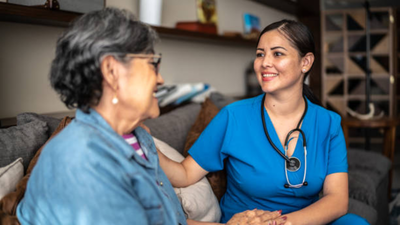
Walk into most clinics in India, and you will notice a pattern. People don’t usually come in early. They come when something already feels wrong. A persistent cough. Unexplained fatigue.
Sudden weight loss. By then, the conversation has shifted from prevention to management.Indian youth is paying for the cost of waiting. And that’s where the problem begins.Conditions like diabetes, hypertension, and even cancer grow quietly. There are no loud warning signs in the early stages. No obvious red flags that force you to act. So people wait. Life gets busy, tests feel unnecessary, and “I feel fine” becomes enough of a reason to put things off.
By the time symptoms show up, the disease has often had time to settle in.
Watch
Keep your heart young post-30s with these 4 simple ways
Preventive health screening in India can’t stay optional anymore
"Prevention is not a medicine driven by fear, it is wise planning. The emergence of chronic illnesses is not marked by the onset of symptoms; it is a result of neglect. The smartest investment you can make in your 30s is not in wealth accumulation, but in preventive health screening. It is because most of the time, when symptoms show up, the disease is already several years old," Dr.
Rahul Mathur, Department of Internal Medicine, CK Birla Hospitals, Jaipur told TOI Health.There’s also a mindset issue. Preventive health screening still feels like something you do only if a doctor insists, or if there’s a family history you can’t ignore. It’s not yet part of routine life for most people.And, in some cases, there’s hesitation around cost, access, or even fear of finding something serious. So the easiest option becomes doing nothing.But that approach is slowly becoming riskier, especially with lifestyle diseases rising across age groups. Younger adults are now showing signs of conditions that were once associated with much older populations.
Young Indians are now more vulnerable to lifestyle related diseases
The doctor emphasizes on the shift of the onset of chronic diseases in India. “Chronic diseases are not only diseases of the elderly. India is witnessing cases of hypertension, diabetes and fatty liver disease in people 10 years younger than expected.
The risk does not start at 50 it builds quietly when you are in your 20s and 30s. At 25, the body looks strong, but the lifestyle choices you make will determine your level of risk.
Lack of physical activity, eating processed food, bad sleep, smoking and stress lead to insulin resistance and metabolic disorder without even realizing. By 35, the body signals with borderline blood pressure, increased cholesterol, fatty liver, thyroid disorders and prediabetes.
Stress, related issues and obesity become the main factors of this breakdown. At 45, there is a great risk of cardiovascular problems. Atherosclerosis could be developing silently. In women, menopause eliminates hormonal protection, so heart and metabolic risk go up rapidly,” the doctor explains.“Measuring blood pressure is necessary from young adulthood. One should get their lipids checked at 20 years and subsequently on a regular basis.
In India, as the heart diseases strike Indians almost 10 years earlier than the Western populations, the formal assessment of the cardiovascular risk starting from 30-35 years should be India's norm, particularly for the people who have a family history of heart disease and/or lead an urban lifestyle,” he urges.
Small checks, bigger impact
The shift doesn’t have to be dramatic. It can start small. Basic blood tests, blood pressure checks, routine screenings, these aren’t complicated steps.
But they can change outcomes in a very real way.And early detection doesn’t just improve treatment. It often makes it simpler, less invasive, and more manageable.So maybe the conversation needs to change. From reacting to symptoms… to staying a step ahead of them.Because in the long run, preventive care isn’t extra effort. It’s the part that saves you from much bigger ones later.Medical experts consulted This article includes expert inputs shared with TOI Health by: Dr. Rahul Mathur, Department of Internal Medicine, CK Birla Hospitals, JaipurInputs were used to explain why preventive health screening is not optional anymore in India where the onset of chronic diseases has shifted to younger generations.





 English (US) ·