

 1 hour ago
5
1 hour ago
5
ARTICLE AD BOX
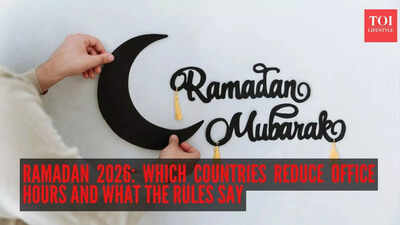
As Ramadan 2026 is expected to begin on February 19, subject to the sighting of the crescent moon, offices across many countries are preparing for a different daily rhythm. For millions of Muslims, this is a sacred month of fasting, prayer, and self discipline.
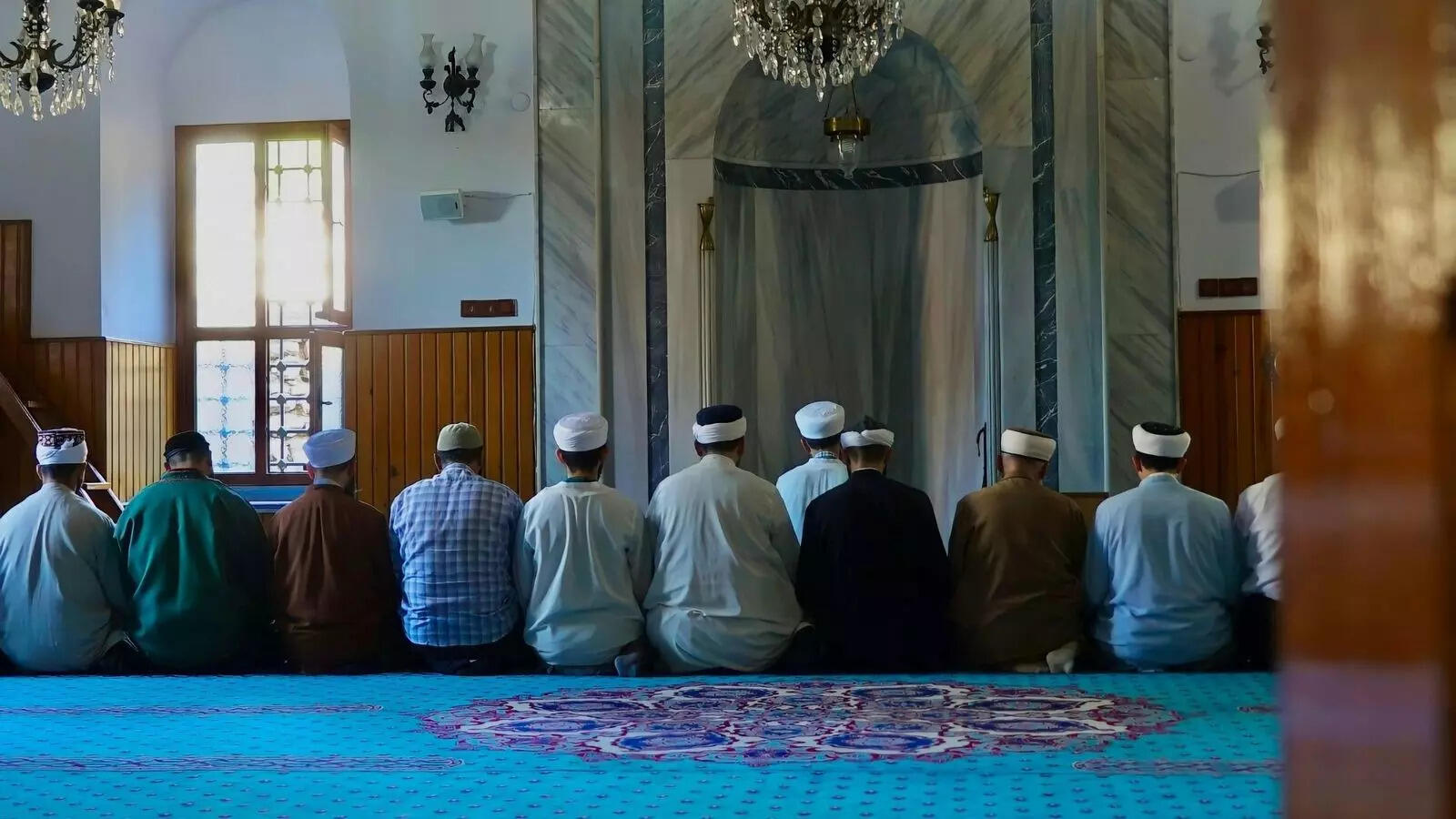
For employers and employees, it is also a period when working hours and office rules often change.Ramadan is the ninth month of the Islamic lunar calendar. From dawn to sunset, Muslims observing the fast do not eat or drink. Since fasting is one of the Five Pillars of Islam, many governments adjust labour rules during this time. The idea is simple. Help people manage work along with religious duties.However, Ramadan working hours are not the same everywhere.
Each country follows its own policy. Some reduce daily hours. Some fix a weekly limit. Some leave it to employers to offer flexibility.Here is a clear and simple guide to Ramadan 2026 working hours and rules in different countries:
The basic idea behind reduced working hours
Fasting for long hours can affect energy levels. Because of this, several Muslim majority countries officially shorten office hours during Ramadan.

In some nations, the reduced hours apply only to Muslim employees.
In others, the rule applies to everyone, whether fasting or not. In a few countries, there is no strict legal rule, but many employers adjust timings.
Gulf Region: Clear limits during Ramadan
Many Gulf countries have defined rules on Ramadan working hours.
Saudi Arabia
In Saudi Arabia, Muslim employees work up to six hours per day or 36 hours per week during Ramadan. Public sector employees usually follow a six hour workday.
Bahrain
In Bahrain, Muslim employees are limited to six working hours per day or 36 hours per week during the holy month.
Oman
Oman also allows Muslim employees to work a maximum of six hours daily or 36 hours weekly during Ramadan.
Kuwait
In Kuwait, the maximum working time during Ramadan is 36 hours per week. This applies to all employees, regardless of religion. Public sector staff generally work six hours per day.
Qatar
In Qatar, employees can work up to 36 hours per week during Ramadan, and this applies to everyone.In the Qatar Financial Centre, employees who observe the fast are entitled to shorter hours, as long as they do not work more than six hours per day.

United Arab Emirates: Different rules by area
The UAE has specific provisions, and they depend on where an employee works.
Onshore UAE
Under the UAE Labour Law, working hours are reduced by two hours per day during Ramadan. This rule applies to all employees, whether fasting or not.
Abu Dhabi Global Market
In the ADGM, Muslim employees receive a 25 percent reduction in their daily working hours without any reduction in salary.
Dubai International Financial Centre
In the DIFC, Muslim employees are not required to work more than six hours per day during Ramadan, and their pay remains the same.
Southeast Asia: Flexible approach
Indonesia
Indonesia does not have a nationwide mandatory cut in private sector hours. However, many companies allow flexible schedules or earlier closing times during Ramadan. Government offices often adjust working hours.
Malaysia
Malaysia follows a similar pattern. There is no broad national rule for private companies, but many employers offer shift adjustments or early leave. Government offices usually reduce their hours.
Egypt and Pakistan: Shorter government hours
Egypt
In Egypt, government institutions typically function for five to six hours per day during Ramadan. Many private businesses follow this pattern.
Pakistan
In Pakistan, government offices usually work only five to six hours a day during Ramadan. Many private companies also follow the same timing.
Turkey: Flexible timings by employers
In Turkey, there is no official rule to reduce work hours during Ramadan. But many companies change office timings so employees can come early and leave early.
Countries where Muslims are a minority
In countries where Muslims are a smaller group, Ramadan is usually not a public holiday. Even then, many workplaces try to be supportive.
United States and Canada
Some companies offer flexible work hours, allow employees to work from home, or provide space for prayers during Ramadan.
United Kingdom and Germany
Certain employers allow Muslim employees to adjust their schedules during the month. Many multinational firms also promote diversity initiatives.
France
France follows strict secular policies. Even so, some workplaces offer extended breaks for iftar or make limited adjustments.
Ramadan 2026: Celebrated around the world, followed in different ways
Ramadan is observed in many countries across the world. It is widely followed in places like Saudi Arabia, Indonesia, Turkey, Egypt, Pakistan, Iran, Malaysia, Bangladesh, the UAE, and India. It is also important in North African countries such as Algeria, Morocco, and Tunisia, and in Middle Eastern nations like Syria, Jordan, Lebanon, and Afghanistan.Even in countries like the United States, the United Kingdom, and France, Muslim communities observe Ramadan with full devotion.
However, in these countries, it is usually not a public holiday.The rules on Ramadan working hours depend on national labour laws and workplace policies. Some countries clearly define the limits. Others allow flexibility through employers.As Ramadan 2026 approaches, understanding these country wise working hour rules can help both businesses and employees prepare better for the month ahead.Disclaimer: Ramadan working hours and regulations may vary based on official government notifications and employer policies. The details above are based on publicly available online information at the time of writing.Images: Canva (for representative purposes only)







 English (US) ·