

 55 minutes ago
6
55 minutes ago
6
ARTICLE AD BOX
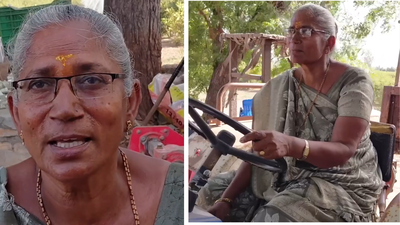
Some life-changing decisions don't happen in boardrooms or classrooms. They happen in the middle of grief. When Shantaben Senghani lost her husband in 2002, she wasn't just mourning someone she loved.
She suddenly found herself in charge of a farm she'd never run, children who depended on her, and debts she had no idea how she'd ever pay off.There was no savings to fall back on. No safety net. No experience with farming equipment. Just one hard choice in front of her: give up the family's land, or fight to keep it. She chose to fight.
13 Jul 2026 | 13:11
What's one stereotype about women that you're tired of hearing?
As per a BBC report, Shantaben lives in Gujarat's Kutch district. After her husband’s death, she decided she'd run the family farm herself.
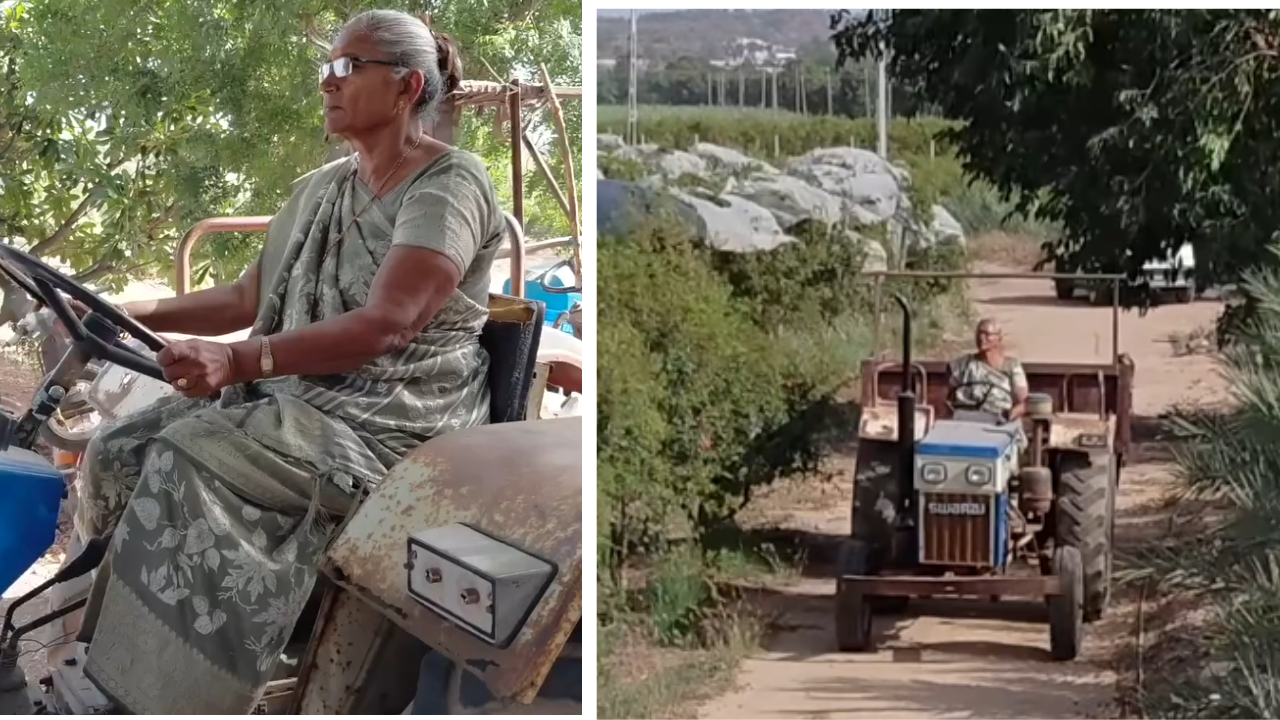
That meant picking up skills she never thought she'd need: including learning to drive a tractor at 40.
“At first, it was overwhelming”
Talking about those early days with BBC Global Women, she didn't hide how terrifying it all felt. "At first, it was overwhelming. I kept asking myself: How am I going to manage the farm work?" Every job her husband used to handle was suddenly hers. "I had never handled tools before. If I needed to dig or deepen a well, how would I do it? How would I go to buy medicines or fertilizers? These questions…," she says.
There were no easy answers waiting for her. But she picked up something new every single day.
A skill that changed everything
For most people, learning to drive at 40 would feel like a lot. For Shantaben, learning to drive a tractor wasn't optional: it was the only way she could run the farm on her own. She spent long hours out in the fields, often not making it back home until well after dark."Many evenings, I returned home from the fields only around 7:30 at night," she recalled to BBC.
The work wore her down physically. But quitting was never really on the table.
The day she refused to sell the farm
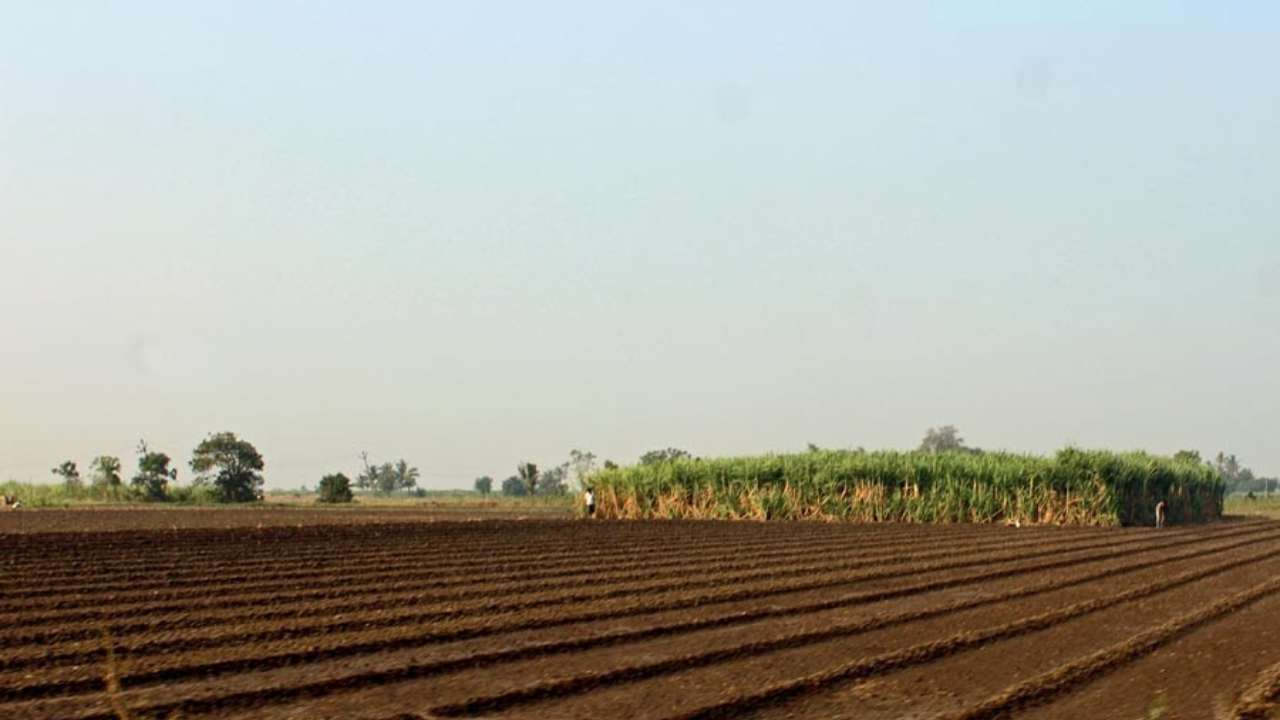
As the money pressures kept piling up, even people in her own family started questioning whether keeping the farm made sense. Her father-in-law suggested selling the land just to clear the family's debts. For a lot of people in her situation, that would've seemed like the sensible way out. But Shantaben saw it differently.She knew that once the land was gone, there'd be almost no way to build their lives back.
She told him, plainly: "No, if I sell the farm now, I will never be able to buy it again."Instead, she made herself a different promise. "I will work hard and repay the debts."
Starting with almost nothing
Farming wasn't the only battle. Financially, the family had hit rock bottom. "At that time I had a lot of debt. I didn't even have a thousand rupees, nor did I have a bank account." It's a reality a lot of widowed women in rural India know all too well: carrying the responsibility without any of the security.But instead of letting that define what came next, Shantaben put her energy into the things she could actually control: working harder, learning faster, and holding on to the one asset her family had left. Slowly, the farm started producing again. Things started getting better.Saving the farm mattered. But there was something Shantaben cared about just as much. She wanted her children to be educated, so she made sure they stayed in school and kept learning, even when they were working from dawn to dusk. And years later, that perseverance paid off for the whole family. Her son became a civil engineer, and today he’s helping her run the farm,
A story bigger than farming
Shantaben’s story isn’t just about learning to drive a tractor.
It's about refusing to let one tragedy decide the rest of her life.Resilience doesn't always look dramatic. Sometimes it just looks like a woman coming home at 7:30 every evening after a full day in the fields, waking up the next morning, and doing it all over again, because she believes tomorrow can be better than today.For Shantaben Senghani, that belief ended up changing her entire family's future.









 English (US) ·