

 1 hour ago
6
1 hour ago
6
ARTICLE AD BOX
Simple Energy recently rolled out the Simple One Gen 2 in India, marking the next step in the brand’s electric scooter journey. I spent time riding the new Gen 2 on Bengaluru’s streets, where it became clear that the updates are less about reinvention and more about refinement. Building on Gen 1.5, the scooter brings subtle yet meaningful improvements to design, ride feel, and software, while retaining its original platform. With prices starting at Rs 1.40 lakh and stretching to Rs 1.78 lakh (ex-showroom), the Simple One Gen 2 is positioned as a premium yet familiar upgrade, one that aims to sharpen the everyday electric riding experience. The one I rode was the range-topping Simple One variant, equipped with the 5kWh battery pack.
Design
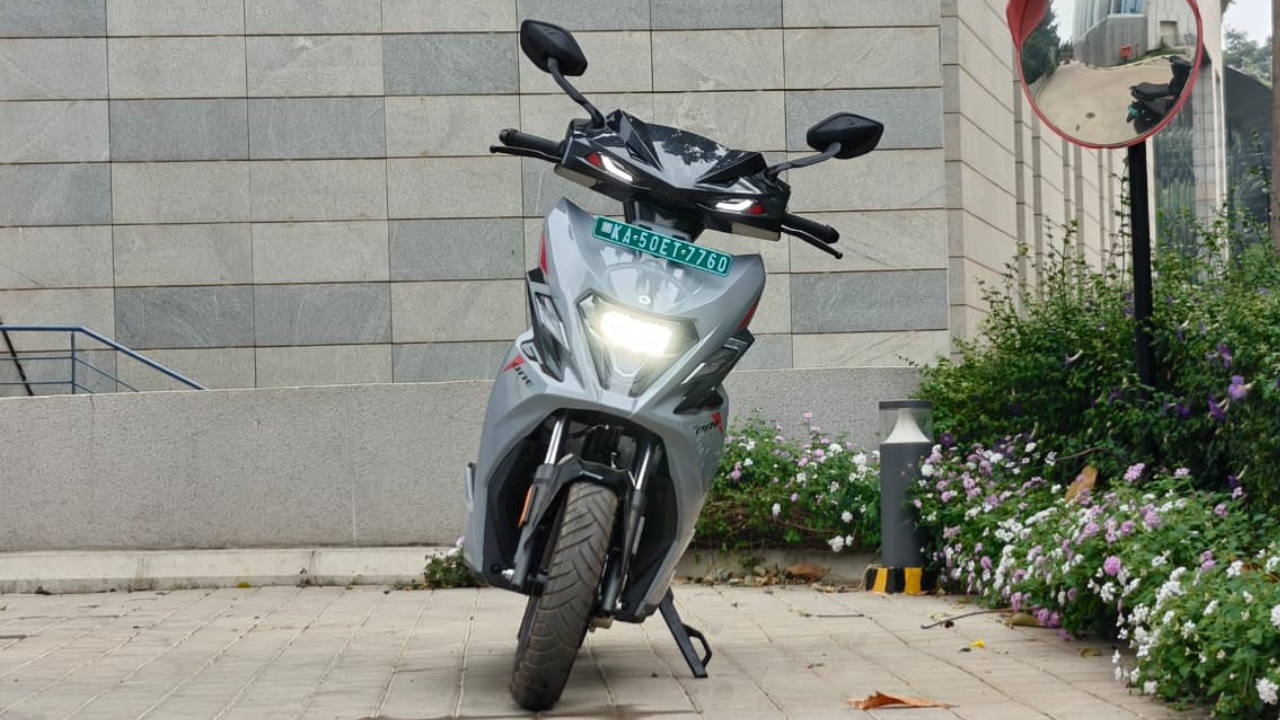
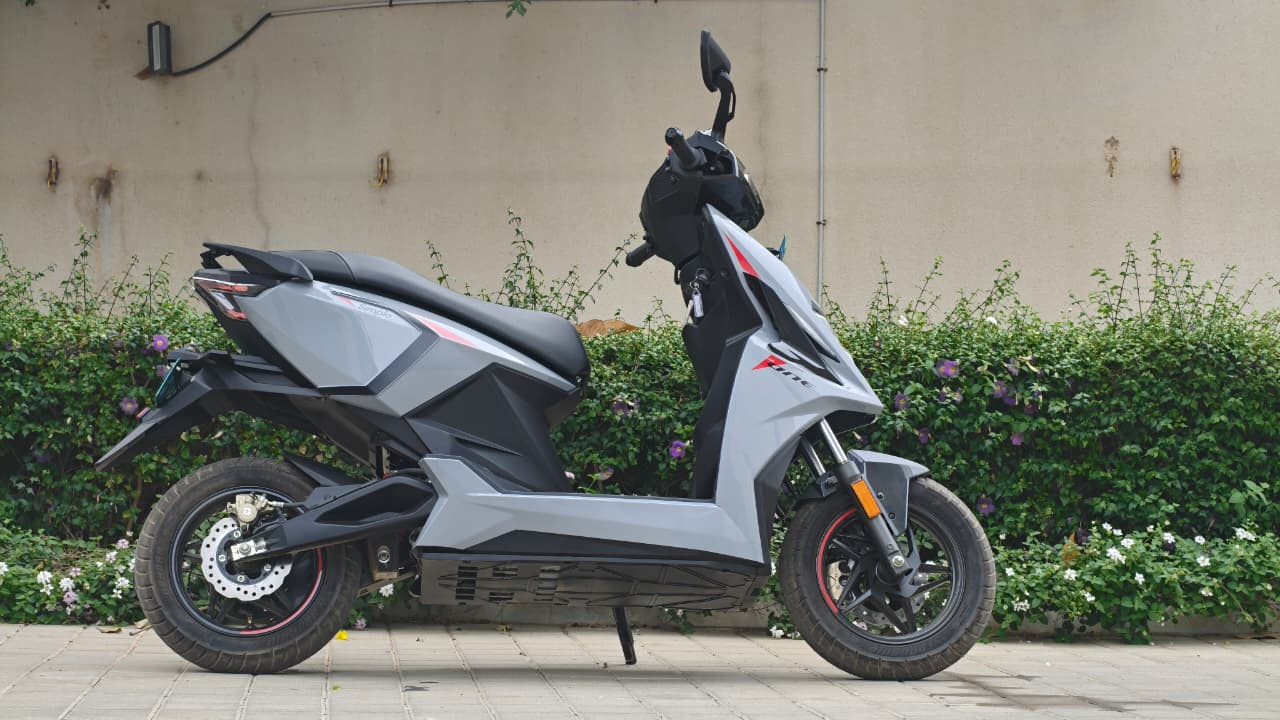
Styling on the Gen 2 remains largely unchanged, with minor updates to the front and rear panels and new mirrors, while retaining a familiar silhouette, as Simple has reworked key structural mounting points to improve stiffness, strengthened battery crash protection, revised the tyre compound for better high-speed stability, recalibrated the suspension and lowered the seat height by 16 mm, though fit and finish still show minor panel gaps. The scooter offers a comfortable riding position despite its compact size, though the wider seat prevents a full flat-foot stance for a 5’10 rider. The seat height now stands at 780 mm and features revised, slightly firmer foam. The company also claims the kerb weight has been reduced from 137 kg to 129 kg.
Congratulations!
You have successfully cast your vote
Battery, Motor and Charging
As mentioned before, the Simple One Gen 2 features a newly developed 5kWh battery pack that is lighter, more energy-dense and more efficient than before. Battery weight has been reduced from 34kg to 30kg. Paired with this is an electric motor delivering 8.8kW of peak power and 72Nm of peak torque. The claimed IDC range stands at 265km. A 4.5kWh battery option is also available, offering a claimed range of 236km. The entry-level Simple OneS continues with a 3.7kWh battery, delivering a claimed IDC range of 190km. It is paired with a less powerful motor producing 6.4kW and 52Nm, positioning it as a more accessible alternative within the lineup.
SimpleOS has received a few updates, and two new riding modes have been added - EcoX and SonicX. Riders can also choose from four traction control settings and four levels of regenerative braking. Cruise control is offered in two formats - a highway-focused standard mode and a city-oriented metro mode. Safety features include vehicle fall detection with power cutoff, hill-hold assist and emergency braking lights that activate under hard braking.
With Sonic X now the fastest, delivering a claimed 0–40 kph time of 2.55 seconds and a top speed of 115 kph, though its sharper and sometimes jerky response may not suit new riders. Eco X prioritises efficiency by adjusting to throttle inputs and surroundings and is best suited for short, low-speed rides, while the mid-level Air mode provides the most balanced performance with smooth acceleration and comfortable cruising at around 85 kph. We didn’t get enough time with the scooter to properly evaluate its real-world riding range. The 5 kWh variant is claimed to charge from 0 to 80 per cent in 5 hours 20 minutes using the 750 W Type 6-based portable charger, while the 4.5 kWh battery takes about 4 hours 45 minutes, with fast charging reducing the 0–80 per cent time to around 2 hours 15 minutes.
Handling
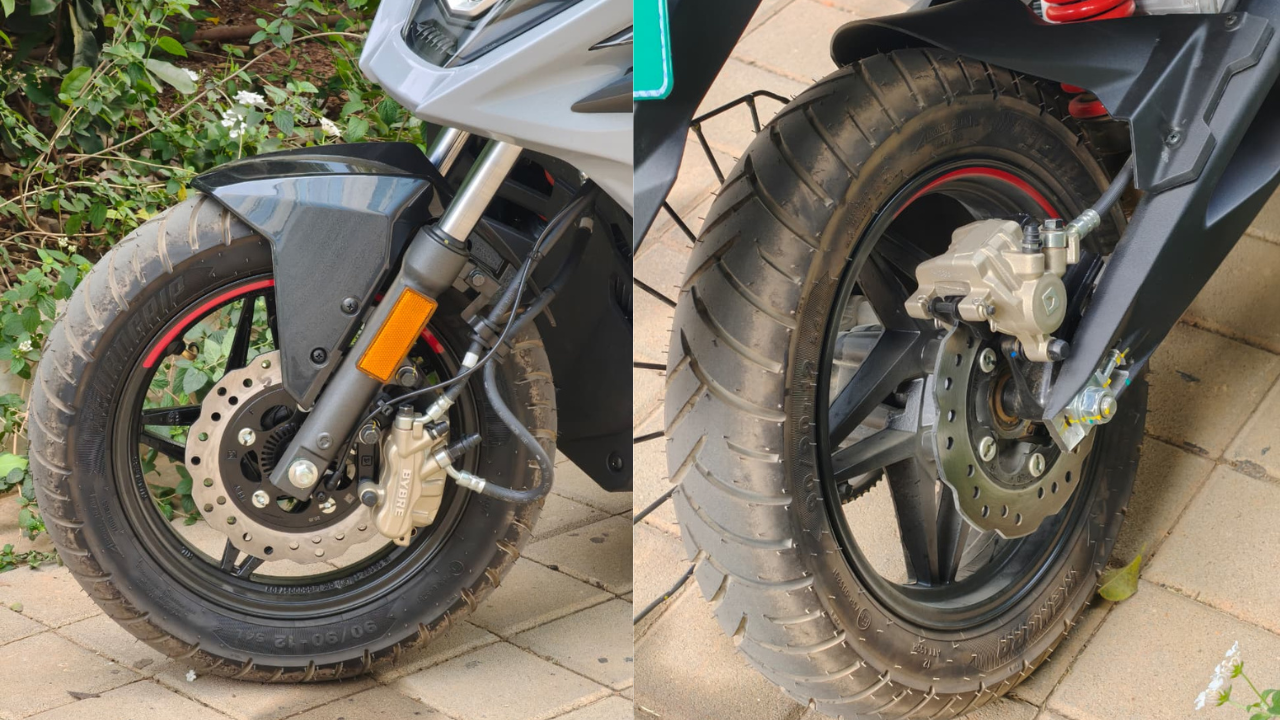
The Simple One is equipped with four regenerative braking levels, with intensity increasing from Level 1 to Level 4. Levels 1 and 2 offer a similar braking feel, as do Levels 3 and 4, while Level 4 provides strong deceleration capable of bringing the scooter to a complete halt. Talking about the handling, the scooter feels light and easy to handle, with quick direction changes and good manoeuvrability in tight spaces, aided by a revised suspension setup at both ends. Ride comfort is good at lower speeds and over speed breakers, though sharp potholes at higher speeds can cause a slight judder. The tyres offer adequate grip, but stability becomes a concern beyond 95 kmph, where handlebar vibration was noticeable and affected rider confidence, leading to greater use of the Air mode. Braking hardware includes disc brakes at both ends with updated pads, delivering largely adequate stopping power.
Features
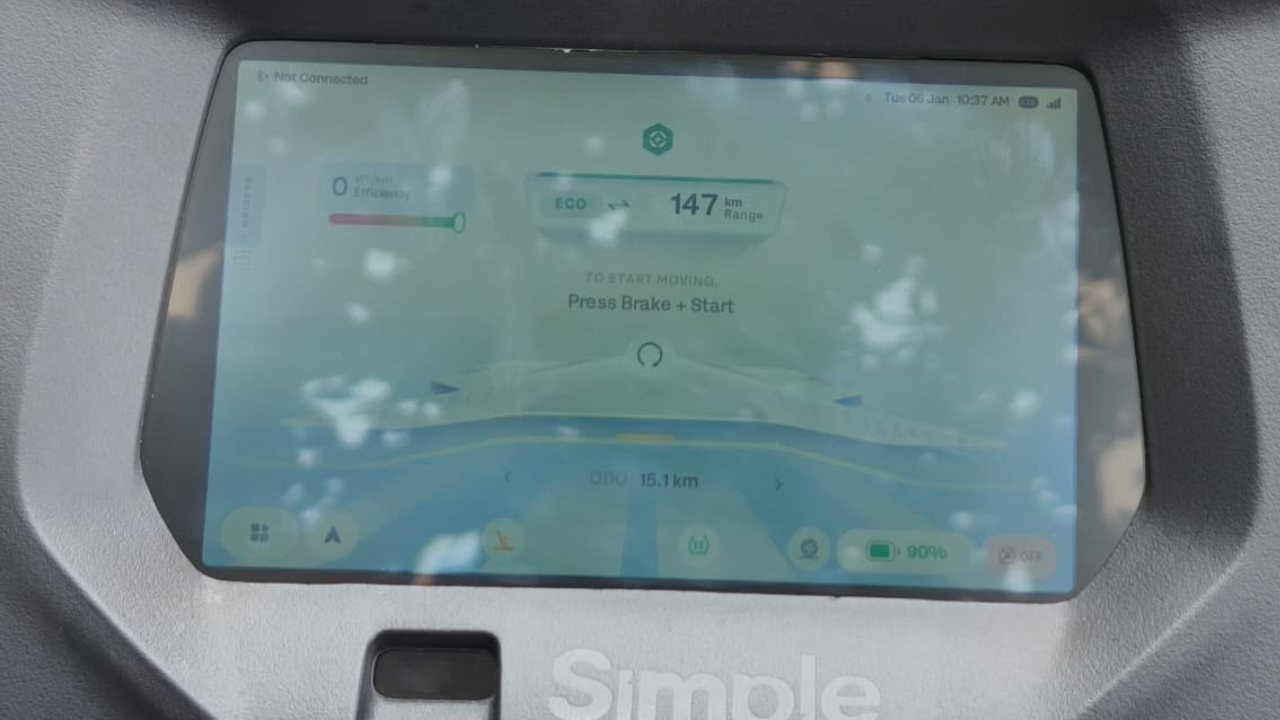
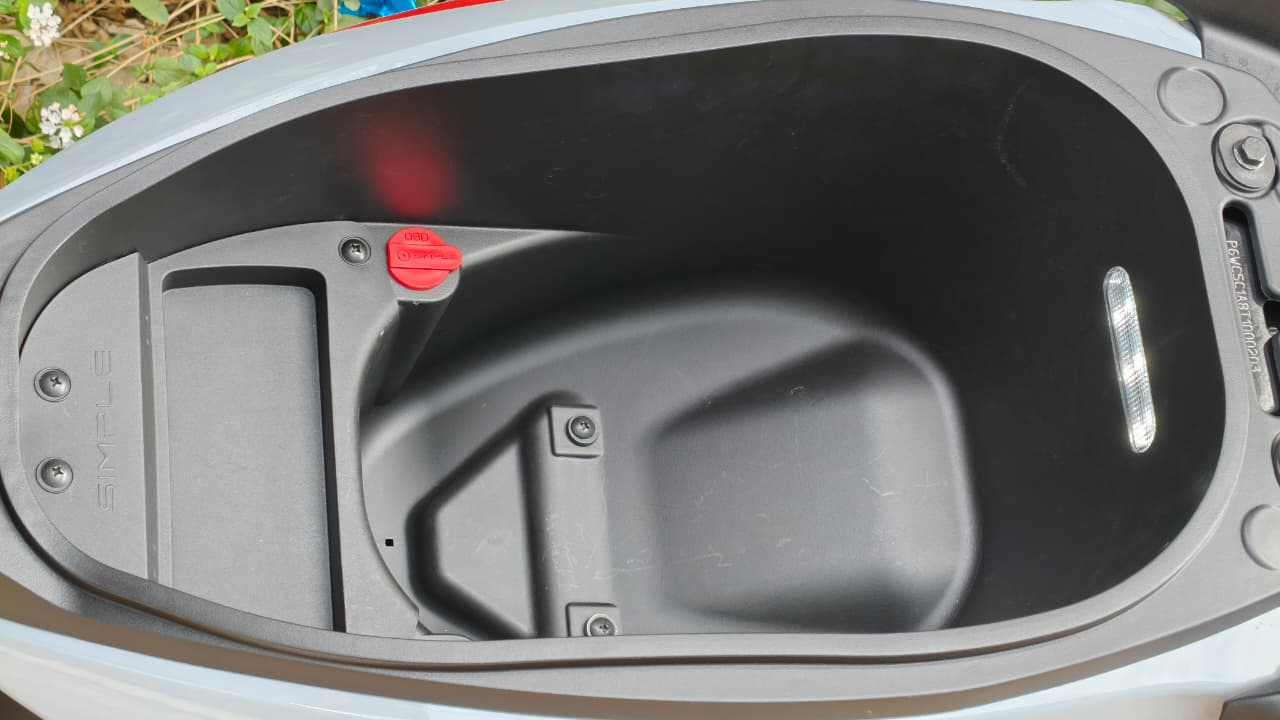
The Gen 2 range features a 7-inch TFT display-touch-enabled on the 5 kWh variants and non-touch on the OneS-with light and dark themes, Bluetooth connectivity, navigation, Hill Hold, cruise control and park assist, though switchgear quality, joystick response and screen brightness under harsh sunlight need improvement, while practicality remains a strong point with 35 litres of under-seat storage, a front glove box, USB charging, three colour options and a lifetime warranty across the lineup.
Verdict
The Simple One Gen 2 builds on the existing model with incremental improvements in ride comfort, features and safety, without major changes to its core design. It is best suited for daily urban use, offering balanced ride modes and good practicality, though concerns remain around high-speed stability, switchgear quality and overall finish. Priced competitively and backed by multiple range options and a lifetime warranty, the Gen 2 reinforces Simple Energy’s position in the premium electric scooter segment but does not redefine the category.









 English (US) ·