

 1 hour ago
4
1 hour ago
4
ARTICLE AD BOX
Last Updated:April 10, 2026, 23:48 IST
The Islamabad Capital Administration has declared April 11 a public holiday in a direct response to the expanding scope of the diplomatic engagement


Security personnel stand guard near the expected venue of the US-Iran talks in the Red Zone area of Islamabad on April 10. (Image/AFP)
Islamabad has formally transformed into a high-security diplomatic fortress as the federal administration extended local holidays to Saturday to accommodate the high-stakes US-Iran peace talks. The capital, which has been under a “Red Zone" lockdown since Thursday, is playing host to delegations from both Washington and Tehran in a desperate bid to solidify a fragile two-week ceasefire.
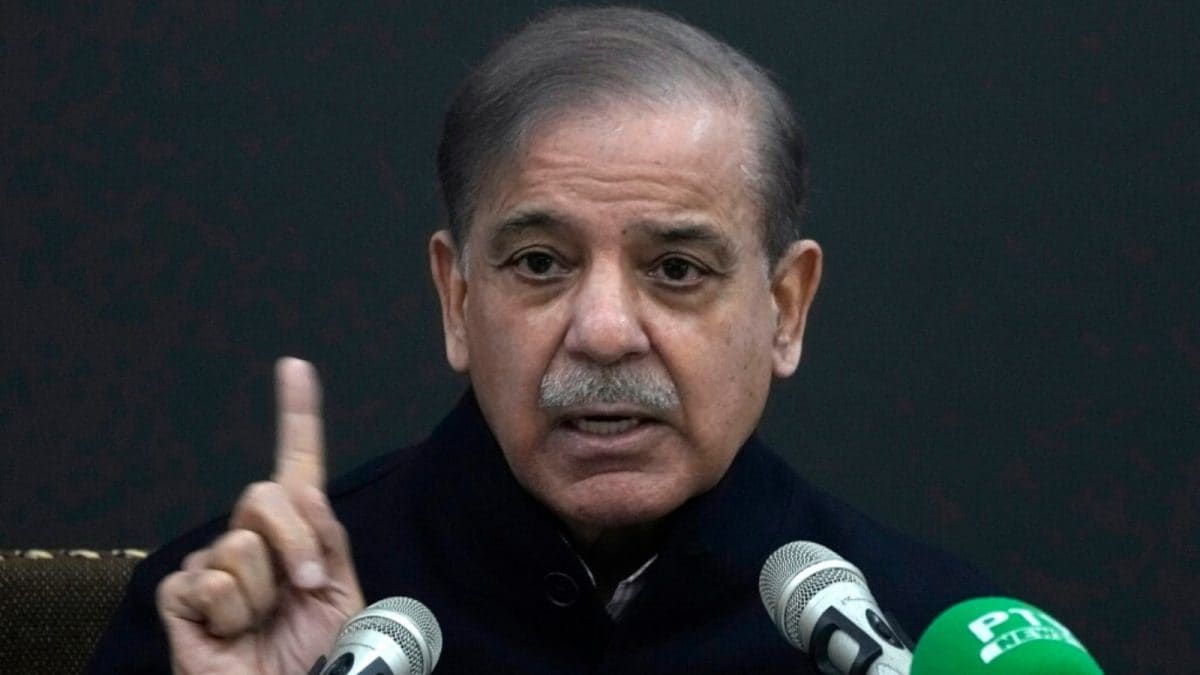
While Pakistani mediators are working around the clock at the requisitioned Serena Hotel, the atmosphere remains combustible. The urgency of the talks, described as “make or break" by Pakistani Prime Minister Shehbaz Sharif, has also been underscored by a series of sharp warnings from the White House, signalling that while the diplomats are talking, the American military remains on a hair-trigger alert.
Why has Islamabad declared an additional holiday for April 11?
The decision by the Islamabad Capital Administration to declare April 11 a public holiday is a direct response to the expanding scope of the diplomatic engagement. Initially planned as a two-day session, the “Islamabad Talks 2026" have required a total lockdown of the city’s administrative heart to ensure “foolproof security" for visiting dignitaries, including US Vice President JD Vance and high-ranking Iranian officials.
With the Serena Hotel completely cleared of regular guests and the surrounding Margalla Hills under heavy surveillance, the holiday allows the Pakistani government to manage the movement of advance security teams and international press. The closure also extends to the neighbouring city of Rawalpindi, where markets have been ordered shut to prevent any logistical bottlenecks that could interfere with the shuttle diplomacy currently taking place between the two delegations.
What was President Trump’s ‘no cards’ warning to Iran?
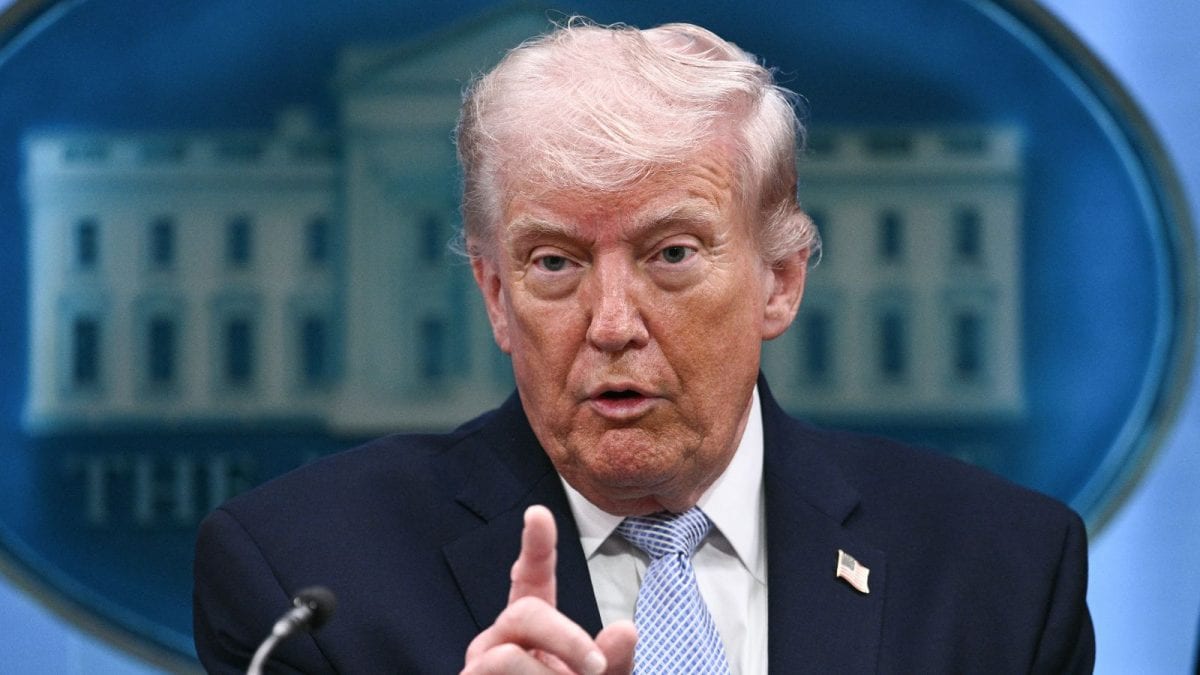
In a move that shattered any illusions of a soft diplomatic touch, US President Donald Trump issued a scathing warning to Tehran via Truth Social on Friday evening. The President made it clear that the United States views the current negotiations not as a meeting of equals, but as a final opportunity for an outmatched adversary. “The Iranians don’t seem to realize they have no cards, other than a short term extortion of the World by using International Waterways," Trump wrote, directly referencing the ongoing blockade and tensions in the Strait of Hormuz.
The President’s rhetoric was designed to remind the Iranian leadership of the significant military degradation their forces have suffered over the last forty days of conflict. In a final, blunt assessment of the diplomatic stakes, Trump added: “The only reason they are alive today is to negotiate!" This post has significantly raised the temperature in Islamabad, as mediators attempt to keep the Iranian delegation at the table despite what Tehran has labelled “belligerent and insulting" rhetoric.
How is the control of international waterways driving the talks?
The “short-term extortion" mentioned by President Trump refers to the strategic stranglehold Iran has attempted to maintain over the Strait of Hormuz. Reopening this vital oil artery is the non-negotiable cornerstone of the US 15-point peace plan. For Washington, the talks are primarily about ensuring that global energy markets are no longer held hostage by Iranian naval provocations.
Tehran, however, views its control over the waterways as its primary leverage to secure the lifting of crippling economic sanctions and a formal guarantee against future strikes. While the US is demanding an immediate and unconditional opening of the Strait, the Iranian 10-point counter-proposal seeks a phased withdrawal in exchange for the release of frozen assets. Trump’s latest post suggests that the White House is in no mood for such a “trade-off", viewing any Iranian attempt to negotiate on the waterways as a form of global blackmail that will no longer be tolerated.
Can a breakthrough be achieved with such heavy rhetoric?
The central paradox of the Islamabad talks is that they are occurring while both sides continue to project absolute strength. Despite President Trump’s “no cards" assertion, the Iranian delegation—reportedly including Parliament Speaker Mohammad Bagher Ghalibaf—is pushing for a “comprehensive solution" that includes an end to Israeli operations in Lebanon. The conflict in Lebanon, dubbed “Operation Eternal Darkness" by the IDF, continues to complicate the Islamabad process, as Iran insists it was part of the original ceasefire agreement.
Pakistani mediators, led by Field Marshal Asim Munir and Prime Minister Shehbaz Sharif, are currently facilitating indirect talks, with the two sides occupying separate wings of the hotel. The goal for the April 11 session is to transform President Trump’s “real agreement" demand into a technical roadmap that addresses nuclear constraints and maritime security. While the rhetoric remains fiery, the sheer exhaustion of five weeks of war suggests that both sides, despite the “no cards" posturing, are searching for a face-saving exit.
Handpicked stories, in your inbox
A newsletter with the best of our journalism
First Published:
April 10, 2026, 23:48 IST
News world The April 11 Roadmap: Ceasefire On Edge As US-Iran Diplomacy Intensifies In Fortified Islamabad
Disclaimer: Comments reflect users’ views, not News18’s. Please keep discussions respectful and constructive. Abusive, defamatory, or illegal comments will be removed. News18 may disable any comment at its discretion. By posting, you agree to our Terms of Use and Privacy Policy.
Read More





 English (US) ·