

 1 week ago
4
1 week ago
4
ARTICLE AD BOX
Last Updated:May 11, 2026, 07:53 IST
Trump has rejected Iran’s latest response to a US peace proposal as "totally unacceptable", dimming hopes of ending the 10-week conflict that has rattled global energy markets.


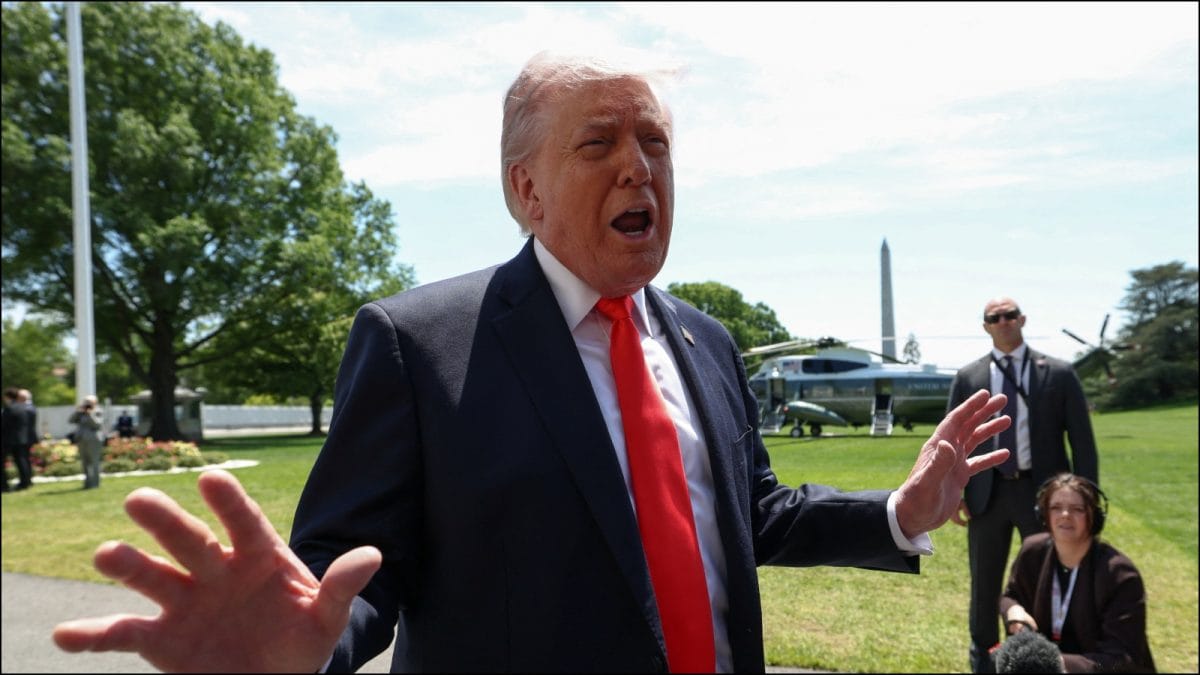
Donald Trump waves to reporters (AP)
Donald Trump on Sunday sharply rejected Iran’s latest response to a US proposal aimed at ending the ongoing conflict in the Gulf region, calling Tehran’s position “totally unacceptable" in a post on Truth Social.
The remark came hours after Iranian state media released details of Tehran’s response to Washington’s latest diplomatic outreach, dealing a major setback to hopes of an imminent breakthrough in negotiations.
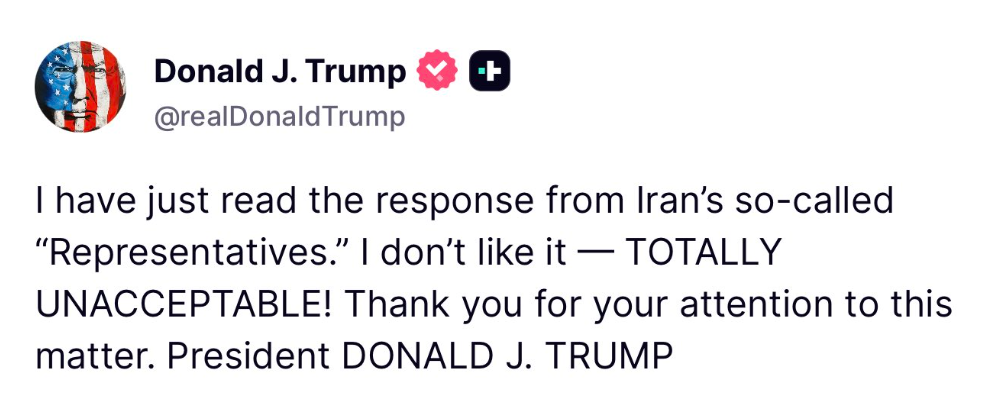
“I have just read the response from Iran’s so-called ‘Representatives.’ I don’t like it — TOTALLY UNACCEPTABLE!" Trump wrote in the post.
The President did not elaborate further on which elements of Iran’s proposal were rejected.
The US proposal had been floated in recent days in an effort to restart peace talks and de-escalate the 10-week conflict that has disrupted shipping in the Strait of Hormuz, driven up global oil prices and heightened tensions across the Middle East.
Iran’s response, however, reportedly focused on demands that included compensation for war damages, recognition of Iranian sovereignty over the Strait of Hormuz, lifting of sanctions and guarantees against future attacks.
IRAN REJECTS US TERMS
Iranian state television said Tehran viewed the latest US proposal as amounting to surrender and instead insisted on what it called “war reparations by the US, full Iranian sovereignty over the Strait of Hormuz, an end to sanctions, and the release of seized Iranian assets."
Reuters reported that Iran’s proposal also called for the United States to end its naval blockade and lift restrictions on Iranian oil sales.
The semi-official Tasnim news agency said Tehran further demanded guarantees that no additional attacks would take place.
The US proposal, according to Reuters, sought an end to active fighting before broader negotiations could begin on contentious issues, including Iran’s nuclear program.
The Wall Street Journal, quoted by Reuters, reported that Iran had also suggested diluting part of its highly enriched uranium stockpile and transferring the remaining material to a third country.
Pakistan, which has been mediating between the two sides, reportedly forwarded Tehran’s response to Washington.
TRUMP SAYS IRAN HAS BEEN “PLAYING GAMES"
Before rejecting Iran’s response outright, Trump had also accused Tehran of using delaying tactics.
In an earlier social media post, the US President accused Iran of “playing games" with the United States for decades.
“They will be laughing no longer!" Trump wrote.
Despite the collapse in momentum surrounding the talks, the administration publicly maintained that diplomacy was still being pursued.
US ambassador to the United Nations Mike Waltz told ABC that Trump was giving diplomacy “every chance we possibly can before going back to hostilities."
At the same time, Trump reiterated warnings that military action could resume if Iran refused to accept a deal addressing both the Strait of Hormuz crisis and Tehran’s nuclear activities.
STRAIT OF HORMUZ REMAINS FLASHPOINT
The Strait of Hormuz has emerged as one of the central flashpoints in the conflict.
Tehran has largely blocked non-Iranian shipping through the narrow waterway, which previously carried around one-fifth of the world’s oil supply.
Despite a fragile ceasefire and nearly 48 hours of relative calm, tensions remained high on Sunday.
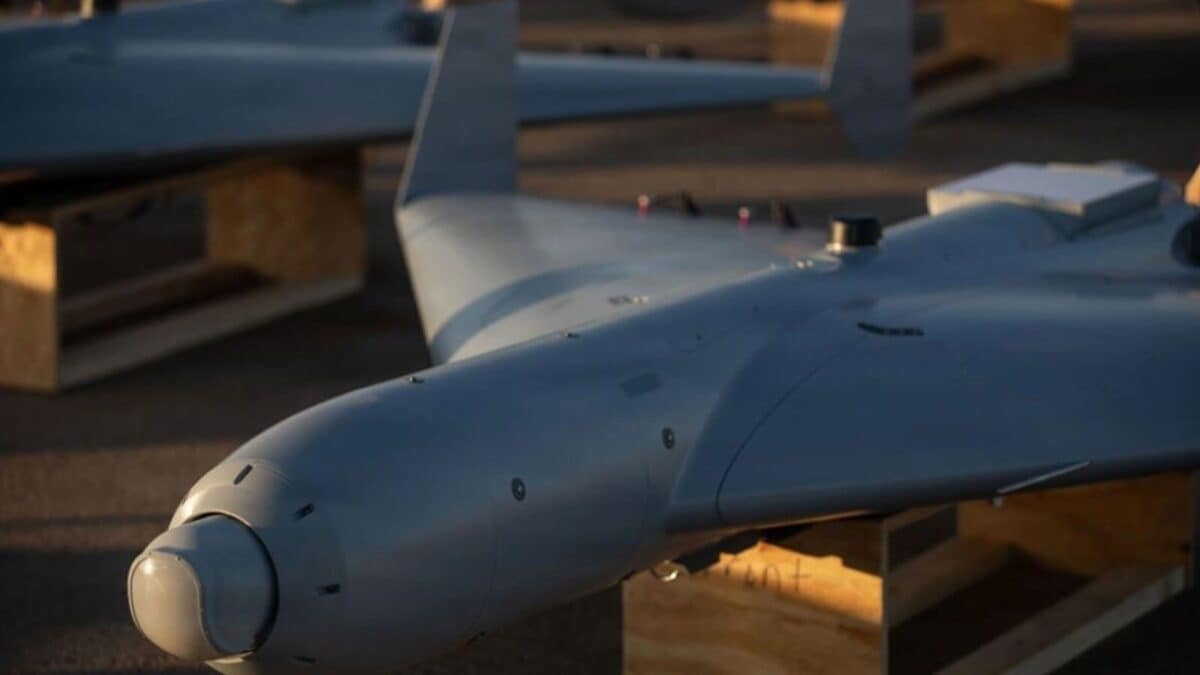
Reuters reported that hostile drones were detected over several Gulf countries, while AP said a drone attack caused a small fire aboard a ship near Qatar.
The United Arab Emirates said it intercepted two drones that it blamed on Iran, while Kuwait reported that its air defences responded to drones entering its airspace.
Qatar condemned the ship attack as a “dangerous and unacceptable escalation."
Reuters also reported that a QatarEnergy-operated liquefied natural gas vessel safely passed through the Strait of Hormuz en route to Pakistan, marking the first such Qatari shipment since the conflict began on February 28.
PRESSURE BUILDS AHEAD OF CHINA VISIT
Reuters reported that Trump is facing growing international and domestic pressure to end the conflict ahead of his upcoming visit to China.
The prolonged war has fueled a global energy crisis and raised fears about wider economic consequences.
Domestically, the conflict has become politically sensitive in the United States amid rising gasoline prices and growing criticism from Democrats.
Meanwhile, Israeli Prime Minister Benjamin Netanyahu said the war was not yet over and stressed that Iran’s enriched uranium stockpile still needed to be removed or neutralised.
Iranian President Masoud Pezeshkian, in turn, declared that Iran would “never bow down to the enemy" and would continue defending its national interests.
Handpicked stories, in your inbox
A newsletter with the best of our journalism
News world 'Totally Unacceptable': Donald Trump Rejects Iran's Response To US Ceasefire Proposal
Disclaimer: Comments reflect users’ views, not News18’s. Please keep discussions respectful and constructive. Abusive, defamatory, or illegal comments will be removed. News18 may disable any comment at its discretion. By posting, you agree to our Terms of Use and Privacy Policy.
Read More







 English (US) ·