

 1 day ago
6
1 day ago
6
ARTICLE AD BOX
Last Updated:June 23, 2026, 15:53 IST
US President Donald Trump has actively discussed concepts to ensure the American public becomes a "partner" in the financial windfall of the domestic AI boom


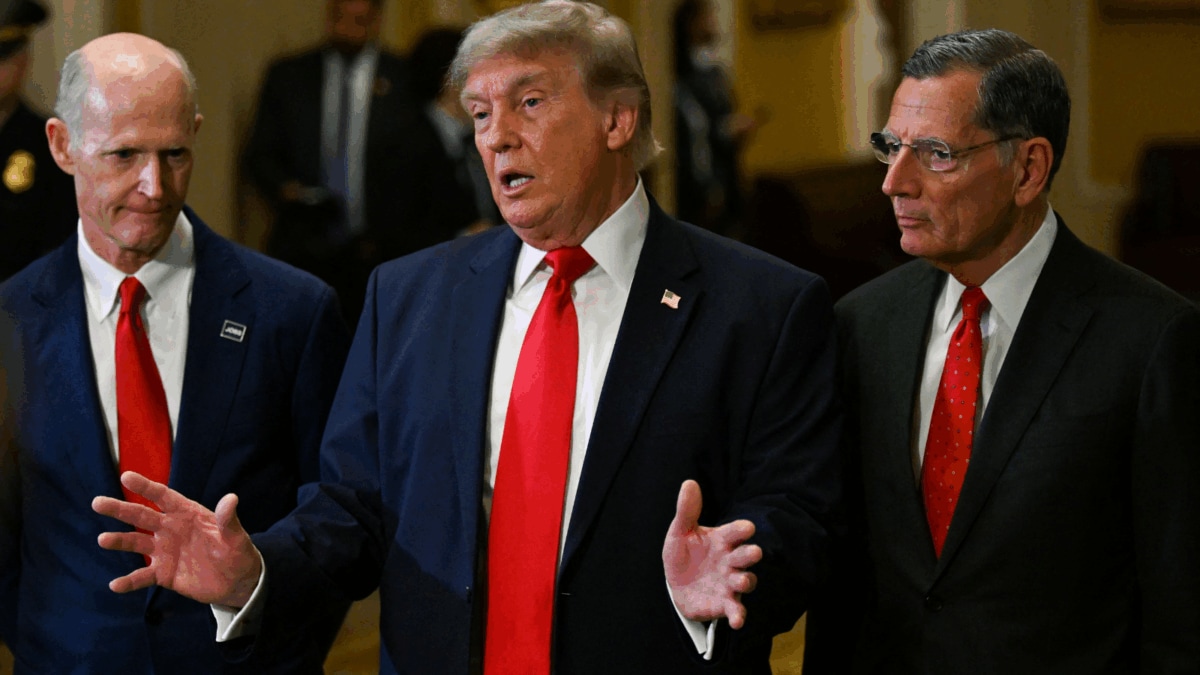
US President Donald Trump. (Reuters File)
The three primary mechanisms being explored for the U.S. government to secure an equity stake or profit-share in leading artificial intelligence firms are taxes paid in corporate stock, equity in exchange for infrastructure funding, and public wealth funds providing digital dividends.
As massive AI developers like OpenAI and Anthropic secretly prepare for their initial public offerings (IPOs), President Donald Trump has actively discussed concepts to ensure the American public becomes a “partner" in the financial windfall of the domestic AI boom, according to Reuters and other reports.
The following models outline how the federal government could structure these equity stakes:
1. Taxes Paid in Stock
This model leverages the federal tax system to acquire equity rather than cash.
AI firms would pay a portion of their federal tax liabilities by issuing corporate shares directly to the government. Some lawmakers have pushed for aggressive frameworks requiring large firms to cede a 50% ownership stake and board representation to the public.
It allows the government to systematically accumulate ownership in high-growth companies without directly spending taxpayer money.
2. Equity in Exchange for Public Funding
This approach mimics the government’s previous strategic interventions in the tech supply chain.
The government provides billions of dollars in federal subsidies, grants, or financial incentives to fund the tech sector’s immense AI infrastructure needs. In return, the state takes a direct equity percentage.
The structure mirrors the CHIPS Act deal with Intel, where the state secured a 10% equity stake in exchange for domestic manufacturing expansion funding.
Free-market policy analysts caution that this model can distort standard market incentives, making regulators overly focused on investment returns rather than public safety, Reuters reported.
3. Public Wealth Funds & Digital Dividends
This method bypasses traditional federal revenue structures to distribute AI wealth directly back to citizens.
Revenues generated from targeted AI taxes or government-held investments would flow directly into a designated public fund.
OpenAI has floated proposals for a national “public wealth fund" to invest across the AI ecosystem, while Anthropic is studying a “digital dividend" system.
Proponents compare this to the Alaska Permanent Fund, which uses state oil and natural resource revenues to pay an annual dividend check to every resident.
With inputs from Reuters
Handpicked stories, in your inbox
A newsletter with the best of our journalism
About the Author
At the news desk for 20 years, the story of her life has revolved around finding pun, facts while reporting, on radio, heading a daily newspaper desk, teaching mass media students to now editing speci...Read More
News explainers Trump Wants Americans To Have Stake In AI Firms: Decoding His 3-Step Plan
Disclaimer: Comments reflect users’ views, not News18’s. Please keep discussions respectful and constructive. Abusive, defamatory, or illegal comments will be removed. News18 may disable any comment at its discretion. By posting, you agree to our Terms of Use and Privacy Policy.
Read More








 English (US) ·