

 2 hours ago
6
2 hours ago
6
ARTICLE AD BOX
Last Updated:April 10, 2026, 12:40 IST
Pakistan cannot afford to sideline China, which has deep strategic and economic stakes in regional stability, particularly in the Gulf.


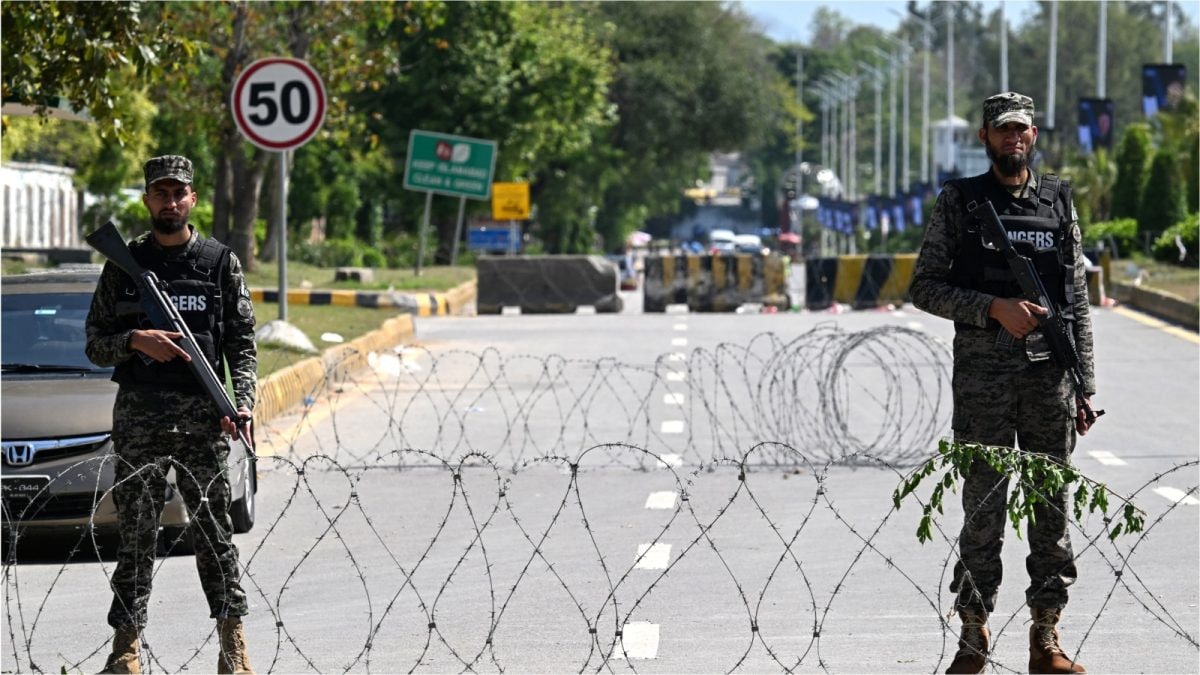
The Pakistan government led by Shehbaz Sharif and the military establishment under Asim Munir are attempting to project Pakistan as a responsible regional actor.(Image: AFP/File)
Pakistan’s decision to step in as a mediator between the United States and Iran comes under significant pressure from multiple fronts, top intelligence sources said, underscoring that Islamabad’s role is driven more by compulsion than choice. By hosting talks in Islamabad and relaying proposals that contributed to the April 2026 two-week ceasefire window, the Pakistan government led by Shehbaz Sharif and the military establishment under Asim Munir are attempting to project Pakistan as a responsible regional actor, top intelligence sources said.
Pakistan is under pressure to demonstrate reliability to Washington to secure defence and economic favours, especially after past trust deficits, sources said. The mediation effort is being used to reinforce its image globally without fully alienating Tehran or Beijing, sources added. Sources emphasised that Islamabad’s aggressive role in brokering the ceasefire and offering itself as a venue is not voluntary but the result of sustained pressure from all sides.
At the same time, Pakistan cannot afford to sideline China, which has deep strategic and economic stakes in regional stability, particularly in the Gulf. Beijing’s concerns stem from its oil supply routes and Belt and Road investments, and any instability directly affects its long-term plans, sources noted. In recent years, China has been increasingly assertive with Pakistan across economic and security issues, with pressure often described as pervasive, “like an extended arm of influence," top intelligence sources said.
The US-Iran talks also risk creating the perception that Pakistan is prioritising American demands over Chinese strategic interests, forcing Islamabad to constantly reassure Beijing, sources said. This balancing act becomes even more complex given Pakistan’s proximity and longstanding ties with Iran, which it cannot afford to damage.
India, meanwhile, is approaching the situation with caution, focusing more on energy security than diplomatic credit, top intelligence sources said. New Delhi remains wary of Pakistan’s intentions and is closely tracking whether Islamabad could leverage any potential accord to push its position on issues such as Kashmir and the Indus Waters Treaty through engagement with Gulf countries and the United States.
The broader context also includes lingering perceptions from India-Pakistan tensions, including Operation Sindoor, where US intervention claims were seen as tilting in Pakistan’s favour, sources said. This has added to Washington’s expectations from Islamabad, increasing pressure on Pakistan to deliver tangible outcomes in the current US-Iran engagement.
For Pakistan’s leadership, including Shehbaz Sharif and Asim Munir, the challenge lies in maintaining equilibrium between Washington, Tehran, and Beijing while navigating economic desperation and security risks. The mediation effort, therefore, reflects a fragile balancing act shaped by competing demands, where any misstep could carry significant geopolitical consequences.
Handpicked stories, in your inbox
A newsletter with the best of our journalism
First Published:
April 10, 2026, 12:40 IST
News world Under Pressure, Pakistan Walks Tightrope In US-Iran Talks Amid China Concerns
Disclaimer: Comments reflect users’ views, not News18’s. Please keep discussions respectful and constructive. Abusive, defamatory, or illegal comments will be removed. News18 may disable any comment at its discretion. By posting, you agree to our Terms of Use and Privacy Policy.
Read More





 English (US) ·