

 1 hour ago
5
1 hour ago
5
ARTICLE AD BOX
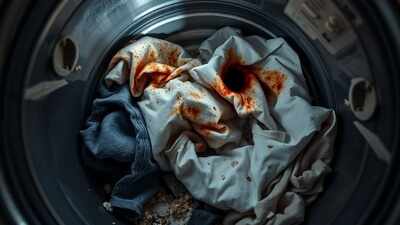
Mysterious stains on clean clothes are a common washing machine problem. Buildup of detergent residue, bacteria, and mould inside the machine causes these marks. Hard water and worn parts also contribute to discolouration.
You lift the lid on the washing machine, expecting clean clothes. However, there are strange stains that were never there before. Why? The appliance is supposed to wash your clothes.The problem is much more common than you may assume. The problem does not lie with the detergent nor the clothes; rather, the problem can be attributed to the washing machine itself. If you were to observe the process in addition to the person performing the laundry, you would undoubtedly get to the bottom of things.Wear-and-tear itemsAll washing machines collect debris. It’s possible that residues of detergent, softener, and other substances do not always rinse out completely from the cycle.
Gradually, a film will build up inside the drum, door seals, and in the detergent dispenser. In further cycles, this debris could start loosening and sticking to the material, creating unsightly greyish stains.Research such asBacterial Exchange in Household Washing Machinespublished in Frontiers in Microbiology shows that washing machines can act as reservoirs for bacteria, especially in damp areas like rubber seals and detergent drawers. The study highlights how microbes can transfer between the machine and fabrics during wash cycles, particularly when hygiene practices are inconsistent.
Over time, this buildup does not just affect cleanliness. It can also interfere with how effectively clothes are rinsed and refreshed.Even small actions make a difference. For instance, adding too much soap may result in too many bubbles, which fail to rinse off properly. This is the same case when it comes to fabric softener; pouring it directly on clothing leaves spots behind.Too many clothes in one wash cycle will pose its own set of problems.
Clothing must have enough space to tumble freely for proper cleaning by both water and soap.Mould even plays its part in the whole process. Once you do your laundry, the door rubber will remain wet and become a perfect breeding ground for mould to form. In time, it can cause nasty discolouration and unpleasant odour on your clothing.
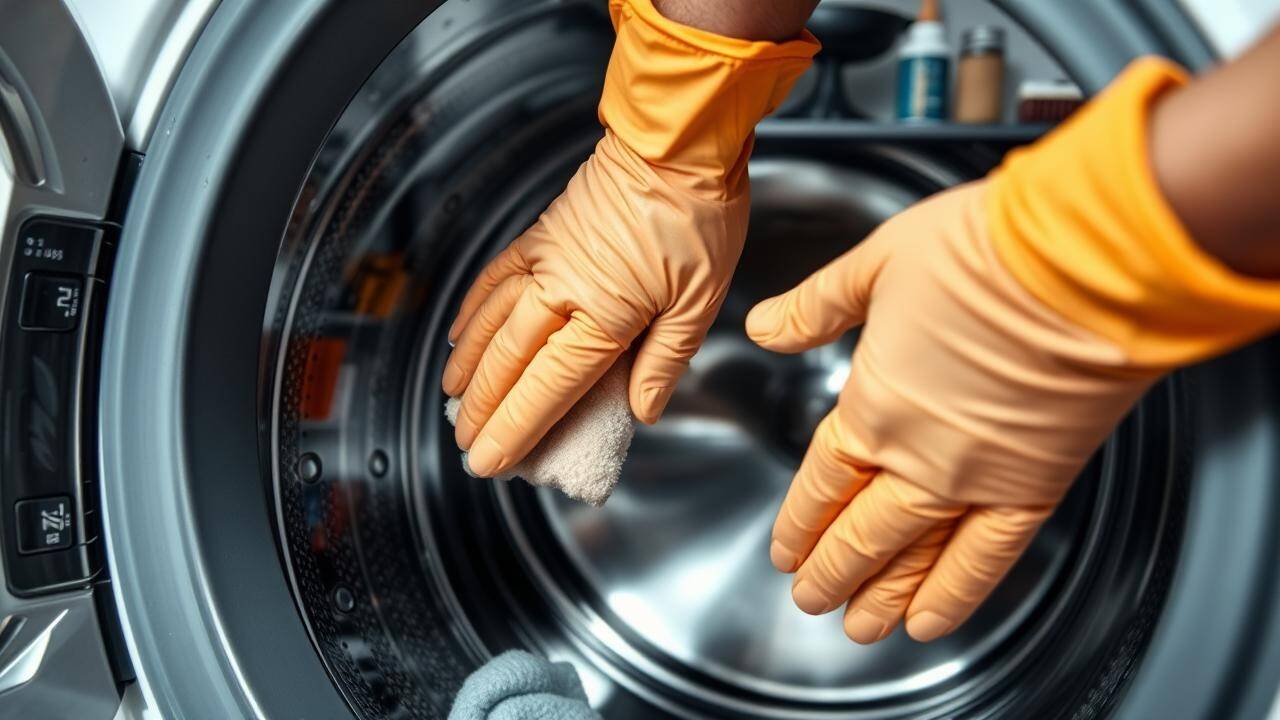
Regular cleaning of the washing machine, using correct detergent amounts, and proper load sizes prevent these issues. Checking for rust and worn seals ensures clean laundry.
When problems with the washing machine surpass basic cleaningCertain stains are indicative of mechanical problems that your appliance is experiencing.
Stains of rust, for instance, indicate that some parts inside the washing drum are corroding. This will allow minute pieces of rust to blend in with the water.Hard water affects daily household cleaning in more ways than one. Minerals like calcium and magnesium, which are present in high amounts, tend to settle on surfaces over time. This buildup can occur inside pipes and washing machine drums, eventually leaving behind chalky or dull residues on clothes. Research such as A Study On Effects Of Hard Water On Human Health highlights how these minerals accumulate and persist in domestic water systems. In practical terms, this mineral presence can reduce the effectiveness of detergents, making washing less efficient and leaving fabrics looking less clean after a cycle.Filtering is another hidden cause behind stains that appear after washing. A constant flow of purified water is needed for washing to perform a high-quality rinse cycle.
Should the filters accumulate sediment or rust, the effectiveness of the rinse process will inevitably be compromised, thus leaving some dirt on your clothes after drying.In some cases, the issue comes from worn parts. Seals and bearings inside the machine can wear out with use. When that happens, small amounts of oil or grease may leak into the drum. These stains often look dark and feel greasy, and they can be difficult to remove once set.This will only make matters worse. A tiny stain on one garment can swiftly expand its impact to encompass all your laundry loads.Solutions to maintain laundered clothesThe good news is that these issues can easily be addressed. Maintaining an active cleaning schedule proves highly effective. Rinse the washer with hot water using a washer cleaner monthly to break down any accumulated build-up. Clean the gasket seal and detergent dispenser to remove dirt that often finds refuge where you least expect it.Appropriate quantities of detergent are as essential as well. You should follow what is written on the bottle or the packaging instead of guessing to avoid buildup.The size of your load is also important. Make sure that the clothes have enough room inside the washing machine tub to let water flow freely.For homes with hard water, descaling the machine or using a water softener can reduce mineral deposits. This keeps both the machine and clothes in better condition.Check your machine now and then. Look for signs of rust, mould, or worn seals. Early action prevents bigger repairs later. If you notice oil stains or repeated rust marks, it may be time to replace specific parts.Your washing machine doesn’t have to be a mystery box. It can easily get back to its primary function of giving you clean laundry without any mystery spots with just a little effort.








 English (US) ·