

 1 hour ago
2
1 hour ago
2
ARTICLE AD BOX
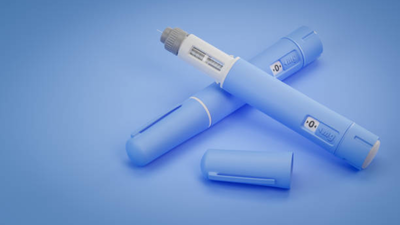
Just when everyone is busy debating Ozempic and whether it’s a miracle drug or a disaster waiting to happen, a cardiologist’s bold take has suddenly grabbed the internet’s attention.Dr. Dmitry Yaranov, a cardiologist known on Instagram as @heart_transplant_doc, shared a post calling Ozempic a “cardiometabolic medicine”, not just another weight-loss trend. His message was pretty direct:“Ozempic, Wegovy, Mounjaro, these meds don’t just shrink your waist. They reset your metabolism.Protect your heart by lowering your risk of heart attack, stroke, and heart failureHelp your liver by reducing fat and inflammationImprove sleep apnea by addressing the root cause: obesitySupport kidney health and blood sugar controlTreat diabetes while preventing its long-term complicationsThis isn’t cosmetic. It’s cardiometabolic medicine, the future of how we treat heart, liver, and metabolic disease together.”As expected, the internet had thoughts. And a lot of them.One user pushed back hard, saying the post was “misleading” and that these drugs don’t literally “reset” metabolism. Someone else chimed in with, “Well then explain the lawsuits! People are going blind!” Another person added that their doctor warned them Ozempic was “bad for the kidneys.” And of course, there were many comments about the “horrific” side effects some people have faced.
The cardiometabolic side of Ozempic
While Ozempic is known as a diabetes drug, doctors have been increasingly talking about its larger cardiometabolic benefits. It helps far more than blood sugar. Studies show it can reduce weight, improve cholesterol, lower blood pressure slightly, and even decrease the risk of major heart problems in people at high risk.Cardiometabolic health is basically the whole package, blood sugar, weight, cholesterol, blood pressure, and overall heart health.
Ozempic, being a GLP-1 receptor agonist, improves several of these at the same time instead of working on just one thing.In the STEP trials and other research, semaglutide showed small but meaningful drops in systolic blood pressure and helped reduce LDL cholesterol, triglycerides, and non-HDL cholesterol. Many people even needed fewer BP or lipid medications after starting it. These changes, along with weight loss and better glucose control, add up to real reductions in long-term cardiovascular risk.And then there’s the big one. Large outcome trials showed Ozempic cuts down major events like heart attacks and strokes. In people with type 2 diabetes who already had a high risk of heart disease, the drug reduced MACE, major adverse cardiovascular events, compared to placebo. The SELECT trial went a step further and found that a higher dose of semaglutide (2.4 mg weekly) lowered heart-related events by about 20 percent in overweight or obese adults with heart disease but no diabetes.
The side effects people worry about
Even with all these benefits, Ozempic isn’t a flawless wonder drug. As Harvard Health notes, some side effects are extremely common, nausea, vomiting, diarrhea, constipation, and abdominal discomfort. Others, like dizziness, headaches, and a faster heart rate, show up less often. Many people also report mild injection-site reactions like redness or itching.But the more serious risks, pancreatitis, gallbladder issues, thyroid tumors, and even muscle loss due to rapid weight reduction, are what fuel most of the online anxiety.The truth probably lies somewhere in the middle: Ozempic isn’t a miracle cure. It’s a powerful medicine that needs proper guidance, realistic expectations, and careful monitoring. As conversations like Dr. Yaranov’s go viral, one thing becomes clear, we’re only just beginning to understand how these drugs fit into the future of health.









 English (US) ·