

 1 hour ago
2
1 hour ago
2
ARTICLE AD BOX
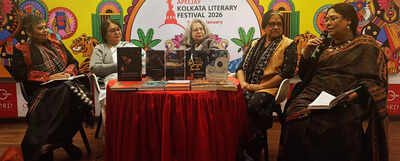
Centennial sessions recently honored writer Mahasweta Devi and filmmaker Raj Khosla, celebrating their significant contributions. Devi's activism and literary clarity on marginalization were highlighted, while Khosla's impactful journey in Hindi cinema from singer to director was explored, underscoring their enduring legacies.
Two centennial sessions recently paid tribute to writer and activist Mahasweta Devi and filmmaker Raj Khosla, celebrating their lasting influence on Indian literature, social thought and cinema.The tribute to Mahasweta Devi opened with a discussion on her continuing relevance as a writer deeply engaged with issues of marginalisation and tribal rights. Speakers reflected on how her work combined activism with uncompromising literary clarity. Readings from her short stories Draupadi and Stanadayini underscored her portrayal of resistance, anger and dignity as political forces rather than personal afflictions.
Panellists noted her lived commitment to the communities she wrote about, her unsparing language, and the way her writing anticipated key social and legislative developments, particularly around land and forest rights.The second centennial session focused on filmmaker Raj Khosla, tracing his journey from an aspiring playback singer to a director whose films left a deep imprint on Hindi cinema. Drawing from his authorised biography, the discussion highlighted his early association with Guru Dutt, his emergence as a director with films such as CID, Kala Pani and Woh Kaun Thi, and his role as a mentor to younger filmmakers. Speakers also reflected on his reclusive nature and why his contribution remains less recognised today.Together, the sessions revisited two distinct creative legacies, reaffirming the importance of remembering artists who shaped India’s cultural and intellectual history.





 English (US) ·