

 7 hours ago
3
7 hours ago
3
ARTICLE AD BOX
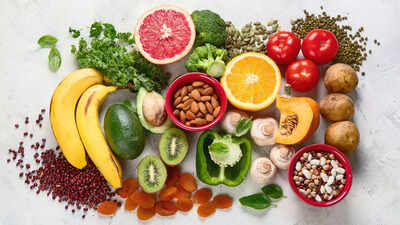
Kidney stones are among the most frequent and painful issues of the urinary tract, and the influence of dietary habits on the risk has been increasingly acknowledged. Although fluid intake has always been the main factor in prevention, the nutritional science has turned its focus to mineral balance, especially potassium.
The contemporary diets, which are usually high in sodium and low in fresh produce, have changed urinary chemistry in a way that is conducive to stone formation.Potassium-rich foods have a profound effect on the way kidneys manage calcium, citrate, and acid load, since these substances are the main factors determining whether crystals will form or dissolve. With the occurrence of kidney stones going up in both the younger and older populations, learning about the protective effect of potassium is a step forward towards a prevention method based on a practical, food-based approach that is also in line with the overall renal and metabolic health.
Preventing Kidney Stones- Tips for preventing stone formation
Why potassium matters for kidney stone prevention
The main way potassium influences the formation of kidney stones is through the effect it has on the content of urinary citrate and the excretion of calcium. The presence of potassium in the diet facilitates the excretion of citrate, which binds calcium in urine and lessens its capability to crystallise. Simultaneously, potassium takes part in neutralising the acid made by the diet, thus saving the citrate that would otherwise have decreased due to the acidic urinary condition.
Research presented in the Korean Journal of Urology indicates that diets rich in potassium are very likely to lower stone risk due to the outlined reasons. When potassium is scarce in the diet, calcium in urine goes up, and citrate goes down, thus creating a situation very conducive to kidney stones.How potassium affects stone formation inside the kidneys:• Increases urinary citrate, a natural inhibitor of calcium stone formation• Reduces urinary calcium loss, limiting crystal-building material• Helps maintain a favourable urinary pH that discourages mineral aggregation• Offsets the effects of high sodium intake on calcium excretion• Supports overall acid-base balance within the kidneys
Potassium-rich food sources that support kidney stone prevention
Dietary potassium should be primarily derived from unprocessed foods that not only provide potassium but also water, fibre, and substances that have an alkalising effect.
The major contributors to potassium-rich diets are fruits and vegetables, which also have a significant positive effect on urinary chemistry besides potassium. These products help by diluting the urine, reducing acid load, and allowing more citrate to be available without increasing the compounds responsible for stones if eaten in the right way.
Their regular consumption is a step towards a long-term change in the composition of the urine rather than short-term effects.Everyday foods high in potassium that reduce stone risk:• Bananas, providing potassium without too much oxalate
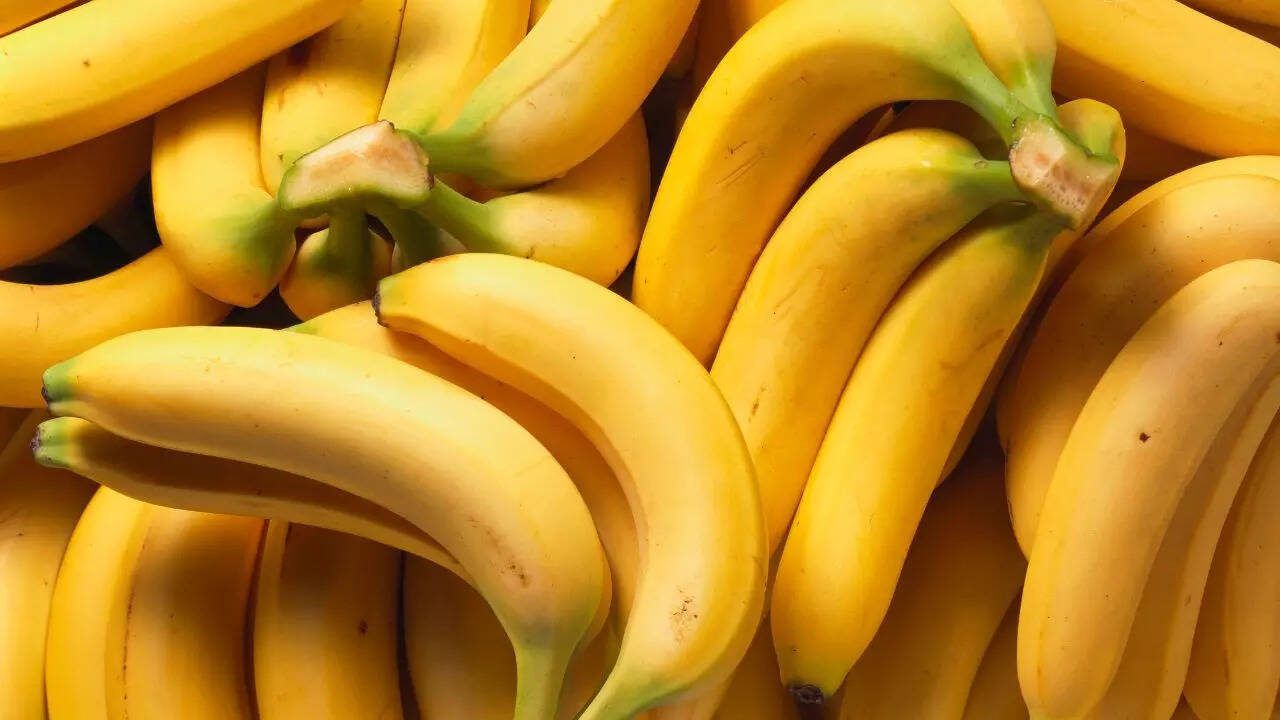
• Oranges and orange juice, supplying both potassium and natural citrate• Avocados, supplying potassium along with healthy fats• Sweet potatoes, providing potassium with low sodium content
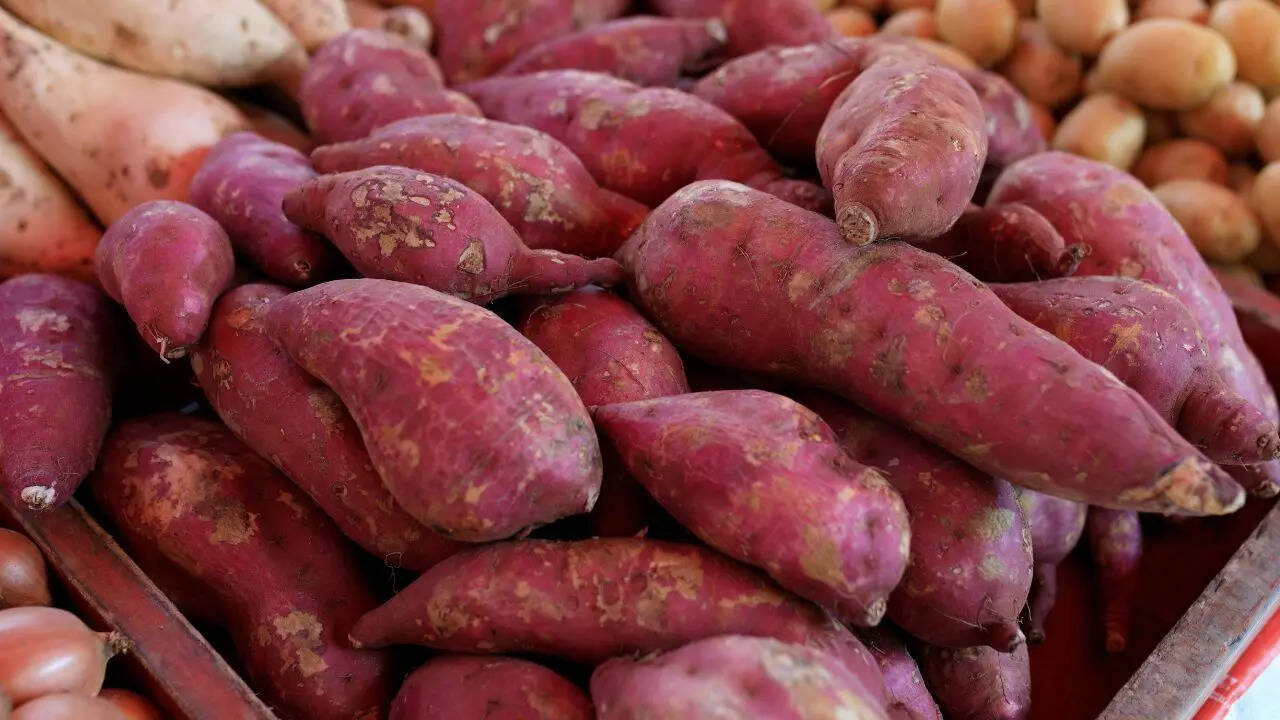
• Spinach, giving potassium, but here is a point because the portion should be small due to the presence of oxalates• Tomatoes, which add potassium as well as water content• Lentils, giving potassium as well as plant protein
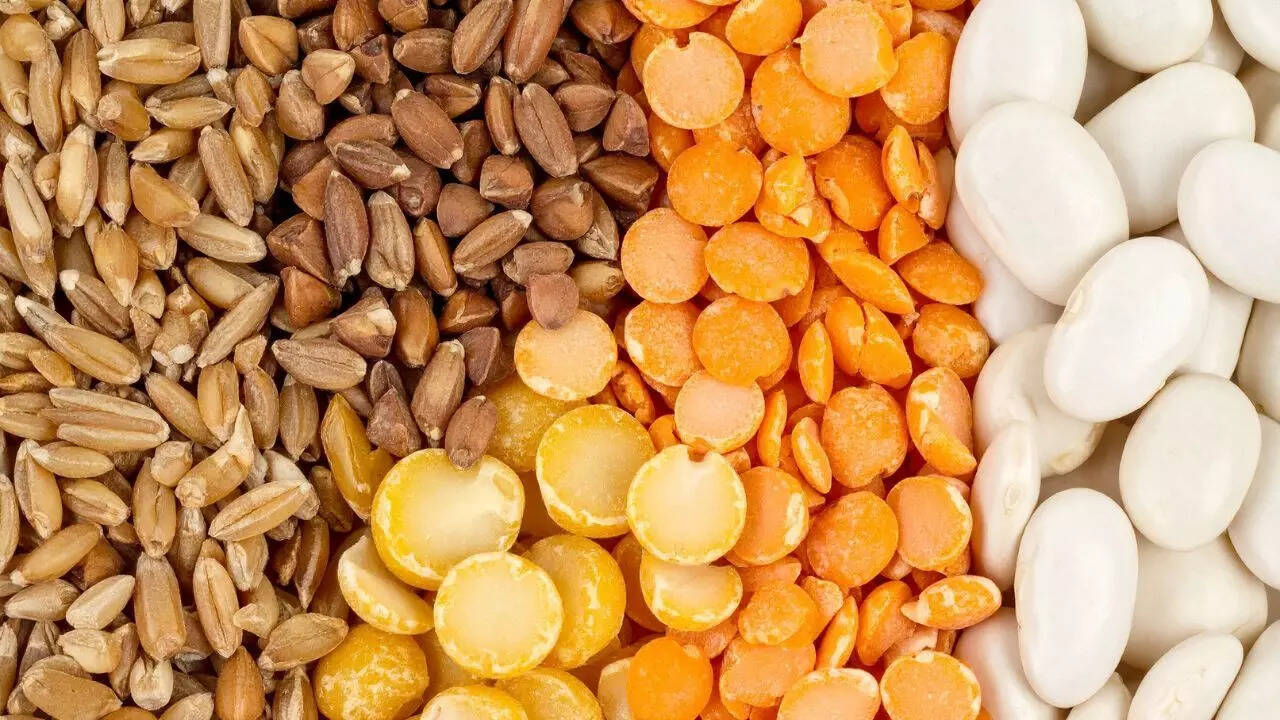
• White beans, helping with potassium intake while improving mineral balance• Melons such as cantaloupe and honeydew are both hydrating and potassium-rich
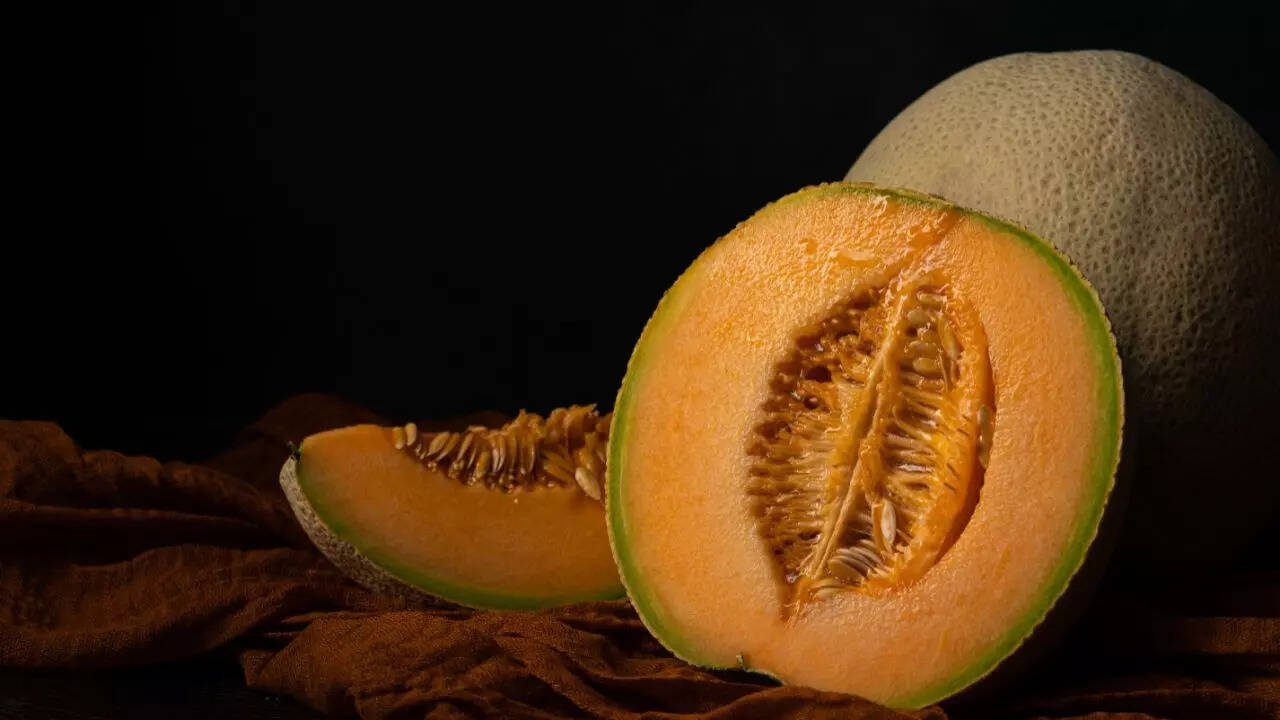
• Papaya, providing potassium with very low stone-forming compounds
Effects of potassium deficiency on kidney and urinary health
An insufficient intake of potassium has an adverse effect on kidney function, and it also causes a condition leading to kidney stones. Deficiency leads to situations when calcium is taken from the bones, more calcium is excreted in the urine, and less citrate is available.
All of these changes, in the long run, not only increase the risk of stones but also decrease bone density and damage cardiovascular health. Furthermore, a diet low in potassium is usually high in processed foods; therefore, the problem is aggravated by too much sodium and too little fluid intake.How potassium deficiency affects kidney function:• Increased urinary calcium excretion, raising stone formation potential• Reduced urinary citrate, weakening natural stone inhibition• Higher dietary acid load, promoting crystal aggregation• Greater sensitivity to high sodium intake• Increased likelihood of stone recurrence in predisposed individuals
How to include potassium-rich foods in daily meals
Potassium-rich foods, if taken regularly in daily meals, will provide enough potassium for the body, and there will be no need for supplementation in most cases. Natural food sources offer a more balanced way of mineral intake, and also, there is no danger of an overdose in the case of supplemental potassium, especially in people with kidney problems. As important as that, it is also equally important to keep sodium intake under control because the sodium-driven calcium loss can counter potassium.
Adequate hydration is a must if potassium-driven changes in urinary chemistry are to be carried out successfully.Practical ways to increase potassium for kidney health:
- Making fruits and vegetables the centrepieces of each meal
- Eliminating processed and packaged foods from your diet
- Combining potassium intake with controlled sodium consumption
- Being consistent with fluid intake throughout the day
- Combining potassium-rich foods with calcium sources during meals
- Not excessively relying on supplements unless under medical guidance
Disclaimer: This article is for general informational purposes only and is not a substitute for professional medical advice, diagnosis, or treatment. Always seek the guidance of a qualified healthcare provider regarding any medical condition or lifestyle change.Also Read | THIS simple one-glass morning drink supports gut health and steady energy









 English (US) ·