

 1 hour ago
4
1 hour ago
4
ARTICLE AD BOX
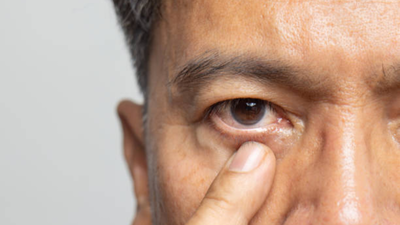
Glaucoma is scary for one simple reason, it doesn’t warn you before it starts taking your vision away. Most eye problems give you signs. Blurry vision. Pain. Redness. Something that makes you rub your eyes and think, “I should get this checked.”
Glaucoma doesn’t play by those rules.
That’s why glaucoma is often called the silent thief of sight. You can see perfectly fine today and still be losing your vision without noticing it. Your brain adjusts. You compensate. And life goes on, until one day it doesn’t.January is Glaucoma Awareness Month, and it deserves way more attention than it gets. Glaucoma is one of the leading causes of irreversible blindness worldwide.
The keyword here is irreversible. Once vision is lost, it cannot be brought back.So why don’t more people talk about it? One big reason is that glaucoma doesn’t look dramatic. There’s no sudden blackout. No immediate pain. No viral moment where someone collapses clutching their eyes. Another reason is awareness. Many people think eye check-ups are only needed when something feels wrong. Glaucoma Awareness Month is a reminder to stop taking vision for granted.
Because when it comes to glaucoma, what you don’t notice can hurt you permanently."Glaucoma is often known as silent thief of vision and the reason why it is called so is that the vision loss happens from the side, the central vision remains perfect and hence till the disease is pretty advanced the patient doesn't know that there is a disease that is silently killing his vision," Dr. Pawan Gupta, Senior Cataract & Retina Surgeon, Eye 7 Hospital - Lajpat Nagar & Vision Eye Clinic, New Delhi told TOI Health.
"So, patients don't have any symptoms," he adds.
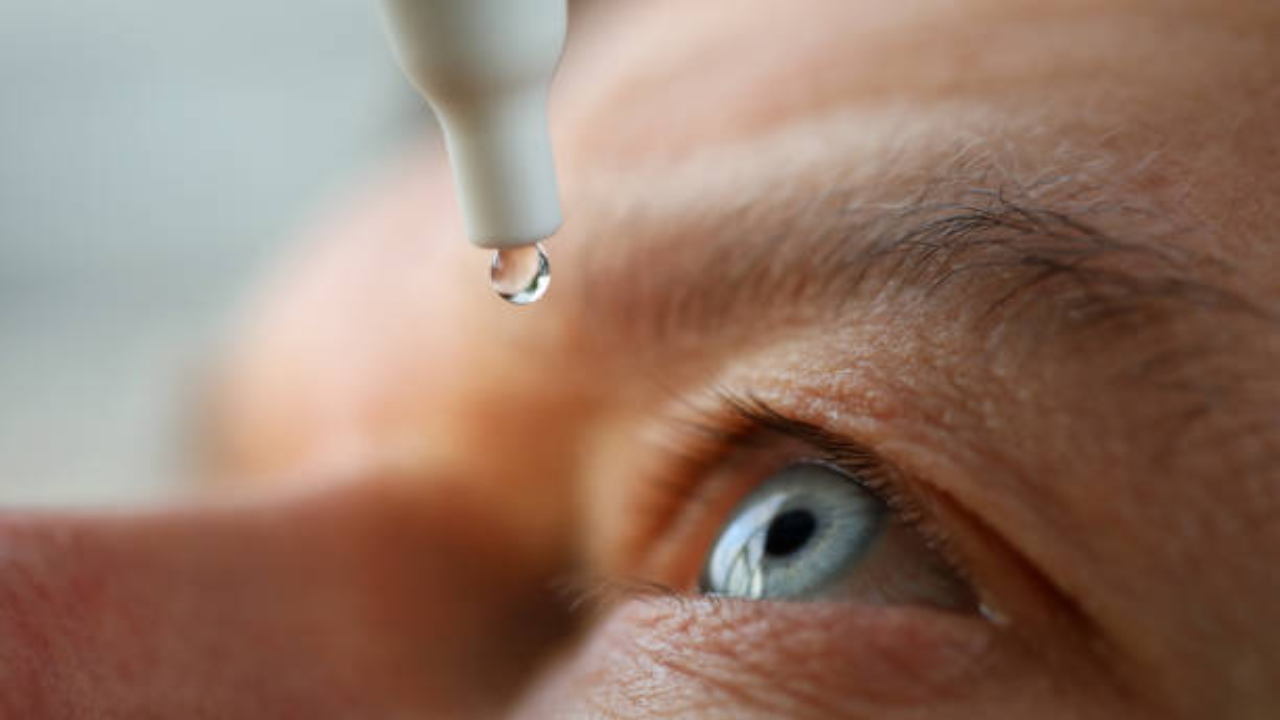
So, what happens inside the eyes in glaucoma? "Glaucoma is the name given to many different diseases, characterized by a typical damage to the optic nerve. The optic nerve conducts visual impulses from the eye to the brain and is vital for good vision. The high pressure within the eye compresses and reduces blood supply to this nerve and the resulting damage leads to loss of vision or blindness," Dr Devindra Sood, Senior Consultant — Ophthalmology (Glaucoma Surgery, Paediatric Glaucoma), Max Multi Speciality Centre, Panchsheel park told TOI Health."Usually, glaucoma is asymptomatic. Only when the disease is advanced, one observes a disturbance in vision. For this reason, glaucoma is called the sneak thief of sight," he adds.
How to know if one has glaucoma?
As per Dr Sood the symptoms depend on the type and stage of the condition.
| Type of glaucoma | Symptoms |
| Open angle glaucoma |
|
| Angle closure glaucoma (This can present as a medical emergency) |
|
| Glaucoma in children |
|
“Usually, it is difficult to predict if one has glaucoma without a proper examination. The diagnosis of glaucoma is often missed if eye pressure is the only criteria. The diagnosis of glaucoma requires a complete eye examination with an emphasis on the TOPG tests.” says Dr Sood and explains three procedures:
- Tonometry is the method by which the pressure within the eye is measured. Ideally it needs to be done with an instrument called the tonometer which uses blue light.
- Ophthalmoscopy is the technique by which an instrument is used at the status of the optic nerve. It needs to be done typically for everyone who wants a complete eye examination. Those with glaucoma would need to get it done more frequently than others.
- Perimetry to assess the visual field is trying to measure the function of the optic nerve.
- Gonioscopy to determine the type of glaucoma
“It is essential to know the type of glaucoma. The open type of glaucoma is usually treated first with eye drops, failing which a glaucoma surgery may need to be done.
The closed type is treated with a laser iridotomy and drops. When these don't work a glaucoma surgery may need to be considered,” he says.“It is essential to know the severity of glaucoma. The severity of the glaucoma dictates the amount of treatment required, the frequency of monitoring and tests. Glaucoma monitoring is all about assessing progression. Progression analysis in glaucoma includes eye pressure and optic nerve evaluation.
Periodic evaluation can ensure that vision can be preserved for life. Blindness from glaucoma can be prevented,” he adds.
Glaucoma: Age-wise eye checkup and follow-up for patients
| Condition | Comment (as shared by Dr Devendra Sood) |
|
|
|
|
|
|
|
|
|
|
"Glaucoma, if detected early, the progression of glaucoma can be halted. But whatever damage has been done because of glaucoma at present, whatever treatment modalities are available, they cannot be reversed back. That's why screening for glaucoma becomes all the more important because medication or surgery is available in today's science which can halt the progression of the disease, but there is no medication which can reverse the glaucoma," urges Dr.
Pawan Gupta.








 English (US) ·