

 1 week ago
7
1 week ago
7
ARTICLE AD BOX
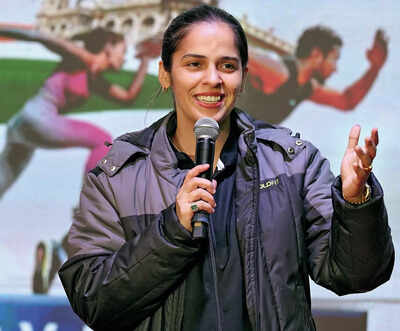
Saina Nehwal reflects on her Olympic bronze medal, a pivotal moment that transformed badminton in India and inspired a generation. She emphasizes the importance of relentless training, mental fortitude, and the crucial role of parents in nurturing young athletes. Nehwal also shares insights into her journey, crediting her support system and tough opponents for her growth.
"The Olympic medal was more than a personal achievement – it was India’s first in badminton and it changed everything,” With these words, Saina Nehwal, winner of 24 international titles that includes a Commonwealth gold and Olympic bronze, took us back to the defining moment of her career. In town on Sunday to take part in a marathon, Saina, who rose from humble beginnings to becoming World no 1, and inspired a generation of Indian shuttlers, spoke to CT about her journey, perseverance, her favourite things about Kolkata, and the lessons she hopes to pass on to young athletes.
Excerpts.How has your daily training ritual evolved over the years?Better training builds confidence and strengthens mental performance. Players who maintain stamina, speed, and alertness until the final point are usually the ones who win. Physical fitness and strength are crucial for mental sharpness, along with focused mental training. Over the years, mental trainers have become an integral part of an athlete’s support system.
Every athlete faces self-doubt at some point, even the strongest ones, and having someone to talk to helps manage pressure.
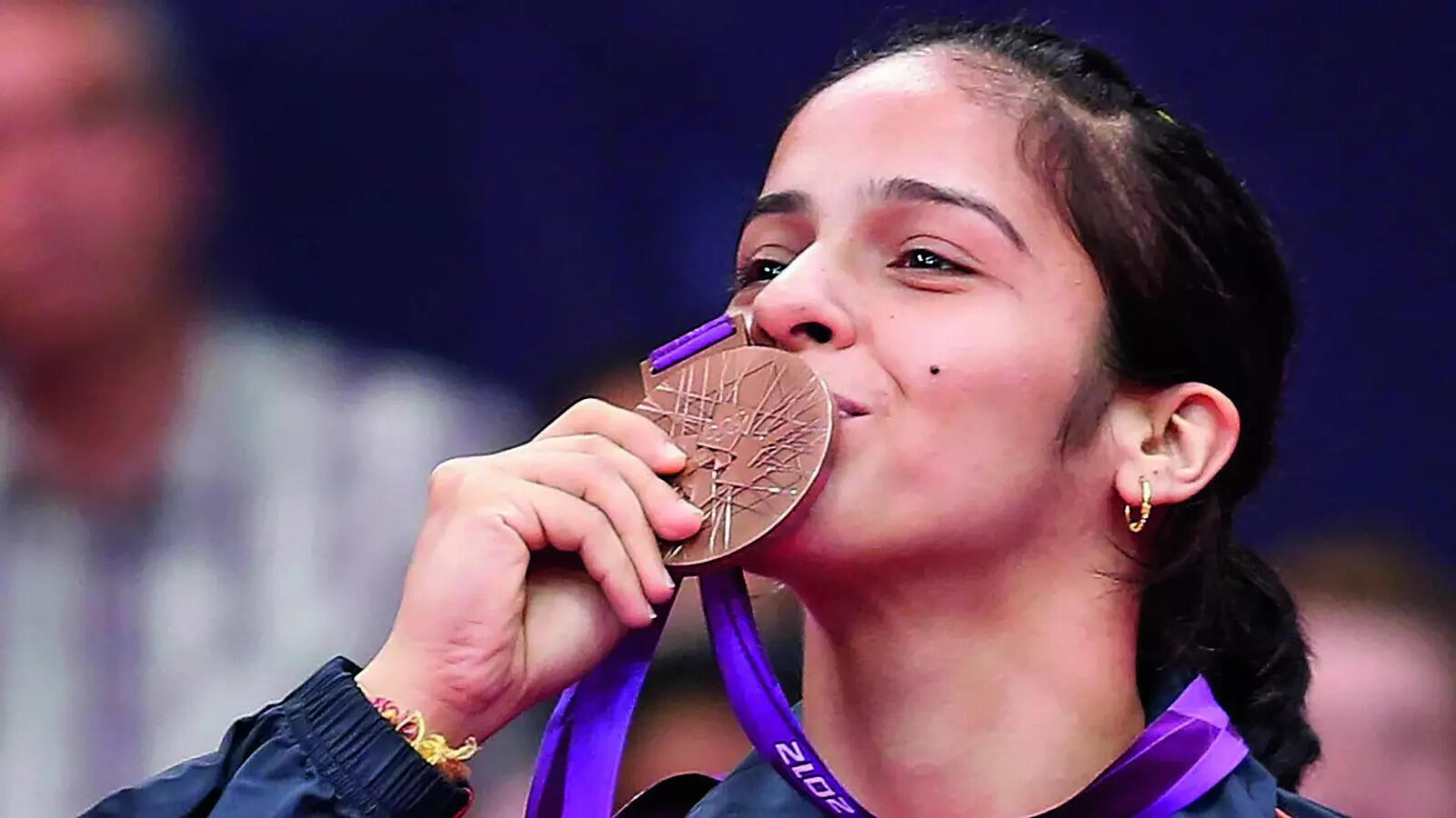
Saina with her bronze medal at the London 2012 Olympic Games
Is there ever a day when Saina Nehwal doesn’t train and simply takes a break?That almost never happens. Unless I’m travelling or completely exhausted, I don’t skip training. Champions like Michael Phelps and Cristiano Ronaldo used to train relentlessly. To rise above the rest, you have to push yourself more than most are willing to.
The win that sparked changeSaina says her Olympic medal win, India’s first in badminton, transformed how the sport is viewed in the country. “It made way for a new era with medals at major tournaments, Olympic podium finishes, and success at world championships,” she recalls. Becoming world rank two and then number one still feels dreamlike. “My mother always wished I’d make the country proud,” she says, adding that her greatest joy is seeing girls now dreaming of becoming champions.
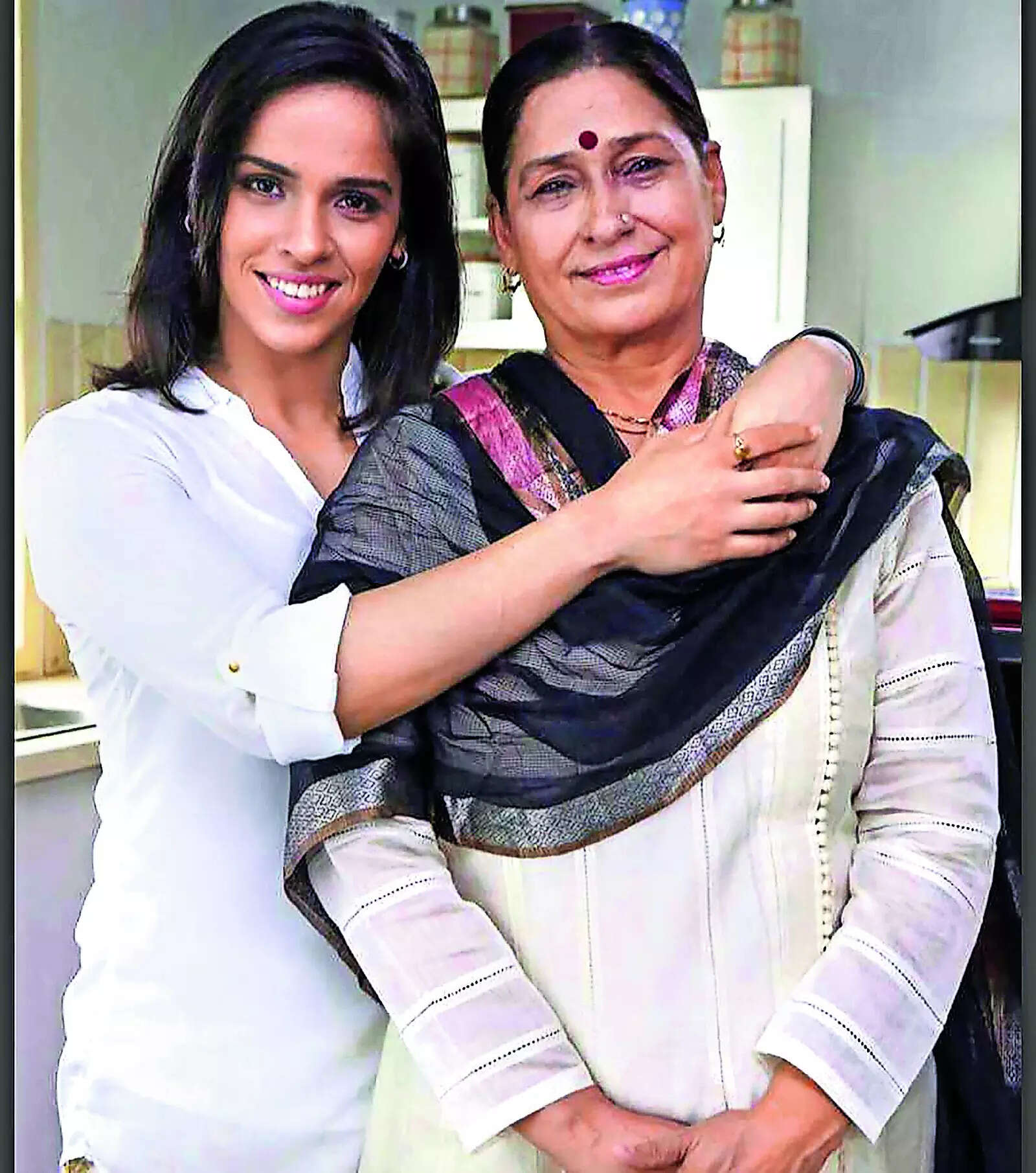
Saina with her mother Usha Rani Nehwal
The pillars behind the playerFor Saina Nehwal, success has always been a collective effort. She credits her mother, Usha Rani, as her biggest strength, along with her early coaches Govardhan Reddy, Nani Prasad sir, and SM Arif sir. “From 1999 to 2003, they shaped my career and truly made me the player I am today,” she says.What’s the most unusual or quirky drill you’ve ever tried that actually helped?Most drills are similar, from shadow training and agility work to sprinting and long runs.
Badminton demands jumping, twisting, and speed. Before the 2008 Olympics, I also did kickboxing for a month, and it really helped make my movements smoother.How do you stay mentally strong before tough matches or during setbacks?It hasn’t been easy. I spent nearly a decade in the world’s top 10, played over 500 matches, and won 24 titles. I cried after losses, but what works is waking up early, returning to training, learning from mistakes, and showing up again.
Physical fitness and following your coach’s advice keep the mind sharp, while mental training boosts confidence. Inner motivation is my mantra. Only you can pull yourself back up and correct your mistakes.If you could guide your younger self, what training tip would you share?More than a training tip, I wish I had access to good trainers and physiotherapists much earlier. It’d have helped my body and perhaps allowed me to stay longer in the sport and reach milestones sooner.
I got my first physio and trainer at 19, after already playing the Olympics, winning the World Juniors, and lifting the Philippine Open. I feel that with the right support from the age of nine, my journey and its timeline could have been different.What message do you have for young girls in India aiming for a career in sports?More than speaking to young girls, I want to speak to parents. Be firm with your children. You don’t always have to be their friend.
If parents aren’t firm, real change doesn’t happen. Let children struggle, as that hunger to achieve something meaningful must be nurtured from childhood. Parents have the power to instill discipline, resilience, and purpose. Use it wisely.Do you have a playlist or song that pumps you up before games?I’m not really into music before matches. I stay quiet for about an hour, visualise the match, recall how I played against the opponent last time, listen to my coach, and focus.
I try to relax and take deep breaths because there is always pressure and nervousness before every match.
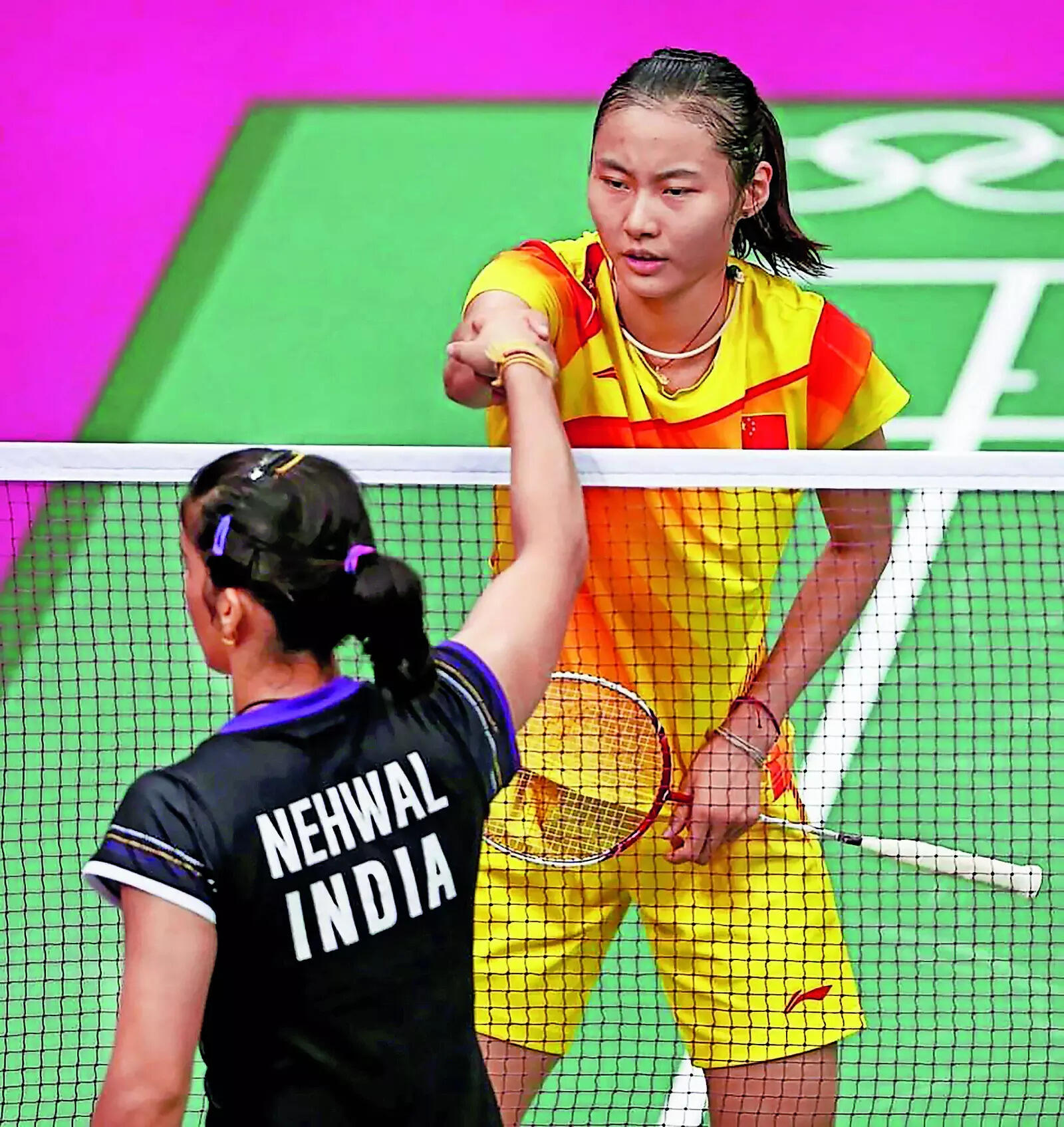
Saina Nehwal with Wang Yihan after the Olympics 2012 semifinals
‘Competing against Tai Tzu Ying and Wang Yihan made me a better player’For Saina, matches against Tai Tzu Ying and Wang Yihan were more than just battles on court – they were lessons in mastery. “I played many matches against them, sometimes winning and sometimes losing, but their game was on another level,” she says. Calm, composed, and armed with an extraordinary range of strokes and strength, they pushed her to elevate every aspect of her own game.
“Competing against such tough opponents helped me grow as a player, and I’m grateful for everything I learned from those battles,” Saina adds, reflecting on how they shaped her strategy, skill, and resilience.Rapid Fire: Coffee or tea?Tea Sunrise practise or night session?Sunrise practise Favourite Kolkata landmark?Howrah BridgeFavourite Kolkata food?Phuchka One word your fans would use to describe you?Hardworking
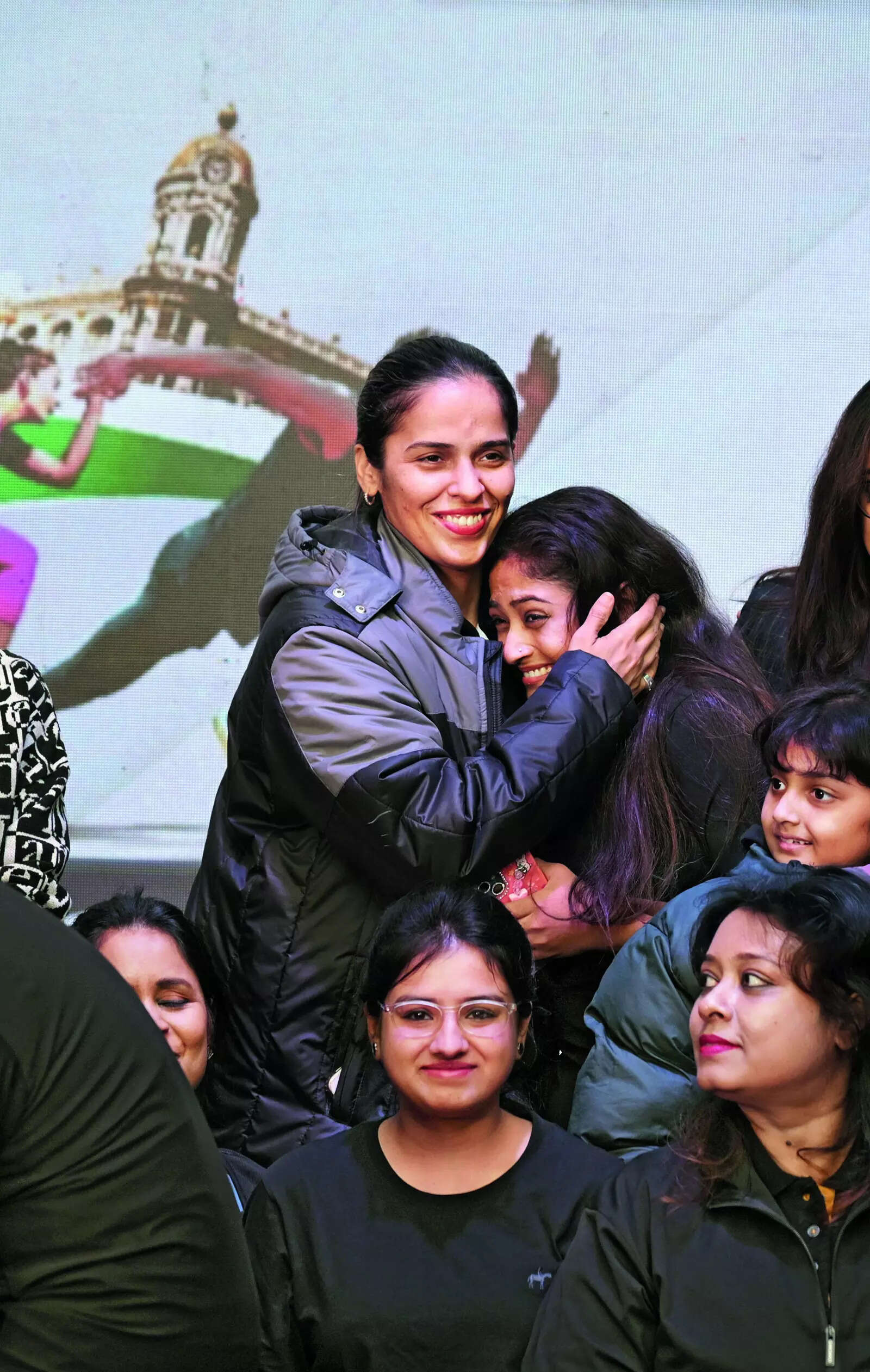
Quotes:I am glad India is embracing fitness and becoming a sporting nation, but we need more athletes. Parents play a crucial role in encouraging children to pursue sportsAfter winning the Olympic medal, I slept with it for months. As a child, I dreamt of this moment, and standing on the podium with the tricolour flying was surrealI would want to have wrist power like
Roger Federer
or Tai Tzu-ying. I was a hard hitter, but that power is something I always wished forBadminton into one of India’s most loved sports over the years. Truly, I couldn’t have asked for morePix: Anindya Saha





 English (US) ·