

 1 hour ago
3
1 hour ago
3
ARTICLE AD BOX
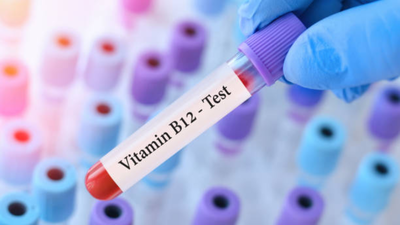
You know how sometimes you feel tired all the time, or your memory slips, or your hands go a little numb, and you shrug it off as “just stress” or “just busy life”? A lot of people in India are living with something deeper: vitamin B12 deficiency.
And it’s not a tiny problem. A majority of the Indian population shows signs of this deficiency in studies, with some regional research showing levels as high as around 47 % in adults and even higher in certain groups.
Why B12 deficiency is so common in India
"There is a significant chance of developing a vitamin B12 deficiency if you are older than 60 years of age and are experiencing fatigue, low blood cell counts, headaches and general weakness. Vitamin B12 deficiency will also lead to numbness or tingling in your fingers or toes and will cause these symptoms to develop gradually.
Vitamin B12 deficiencies are very common in India and it is believed that as many as 20% of older adults in the country are affected.
Certain populations are at an increased risk for developing vitamin B12 deficiencies; this includes vegetarians and vegans, women who are pregnant, individuals who have gastrointestinal problems that prevent their bodies from absorbing nutrients, and those who take certain medications such as metformin," Dr.
Meenakshi Jain, Principal Director & HOD – Internal Medicine, Max Super Speciality Hospital, Patparganj told TOI Health.So, this involves diet. Vitamin B12 naturally comes from animal-based foods, meat, fish, eggs, dairy. But a large chunk of people here follow vegetarian diets for cultural or personal reasons, and that makes it harder to get enough B12 from food alone. And even most plant-based foods don’t contain B12 at all, which means if you’re vegetarian and not intentional about your nutrition, the risk goes up.
But it’s not just diet.
Even when people eat foods that should have B12, our bodies sometimes don’t absorb it well. That can happen because of digestive issues, certain medications like ones used for diabetes, or changes in stomach health as we get older. And busy urban lifestyles have made matters worse: irregular meals, long work hours, stress and poor digestion make it harder for nutrients to be absorbed properly.
So in India, even though delicious milk tea, curd, paneer and all kinds of plant-based dishes are staples, the actual usable B12 can still be low on many plates and low in many bodies.

So what’s the big deal if you’re a little tired?
Well, it goes deeper than that. Vitamin B12 plays roles in blood formation, nerve function, and even brain chemistry. Long-term deficiency can lead to more serious issues like anemia, nerve damage that doesn’t go away easily, and cognitive issues that affect memory and mood."Vitamin B12 deficiency may result in serious complications (e.g. anaemia; irreversible neurological damage; elevated cardiovascular disease risk) if left untreated. Deficiency can be present in those who seem to consume a nutritionally healthy diet due to malabsorption; also, when an adequate diet is consumed, increased vitamin requirements exist, or following strict vegetarianism (veganism)," says Dr Meenakshi.And think about this, when you feel low energy, foggy-headed, and just “blah,” it changes how you show up in life. You stop being present with family. You struggle to focus at work. You might chalk it up to age or workload instead of something your body is trying to tell you.
How to know if you are low in B12?
According to Harvard, Vitamin B12deficiency symptoms may include strange sensations, numbness, or tingling in the hands, legs, or feet, difficulty walking (staggering, balance problems), anemia, a swollen, inflamed tongue, difficulty thinking and reasoning (cognitive difficulties), or memory loss, weakness and fatigue.

If low levels of B12 remain for a long time, Harvard says the condition also can lead to irreversible damage to nerve cells, which can cause numbness and tingling in the hands and feet, difficulty walking, muscle weakness, irritability, memory loss, dementia, depression and psychosis.
Tests and remedial steps
“Diagnosis usually requires a complete blood count (CBC) and serum B12 level, and both homocysteine and methylmalonic acid (MMA) tests.
In some cases, an intrinsic factor assay is indicated (for example, when genetic factors are suspected or when B12 supplementation does not raise serum levels),” recommends Dr Meenakshi. Diagnosis and awareness means you start connecting the dots. You might notice that tingling in your hands isn’t just tiredness. You might realize that constant fatigue isn’t normal, even if everyone else seems to have it. Awareness gets people tested, and testing gets people talking about solutions, whether that’s changes in diet, fortified foods, or supplements under a doctor’s guidance."The emphasis of both prevention and management of Vitamin B12 deficiency lies in identifying the deficiency early enough and providing the necessary amount of supplementation. Eating foods that are high-in Vitamin B12, such as those from animals and/or eating fortified plant-based milk, may aid in getting to recommended levels daily. Regardless of the degree of vitamin B12 deficiency, supplementation can be accomplished through oral tablets, sublingual forms, nasal sprays or injection of vitamin B12 into a vein.
Individuals who are considered at risk for having significant levels or show signs of possible vitamin B12 deficiency, should speak with a health care provider for personal evaluation and assistance," the expert urges.









 English (US) ·