

 1 hour ago
4
1 hour ago
4
ARTICLE AD BOX
Last Updated:January 14, 2026, 08:28 IST
Discover the vibrant diversity of Makar Sankranti celebrations across India beyond kite‑flying and Pongal.
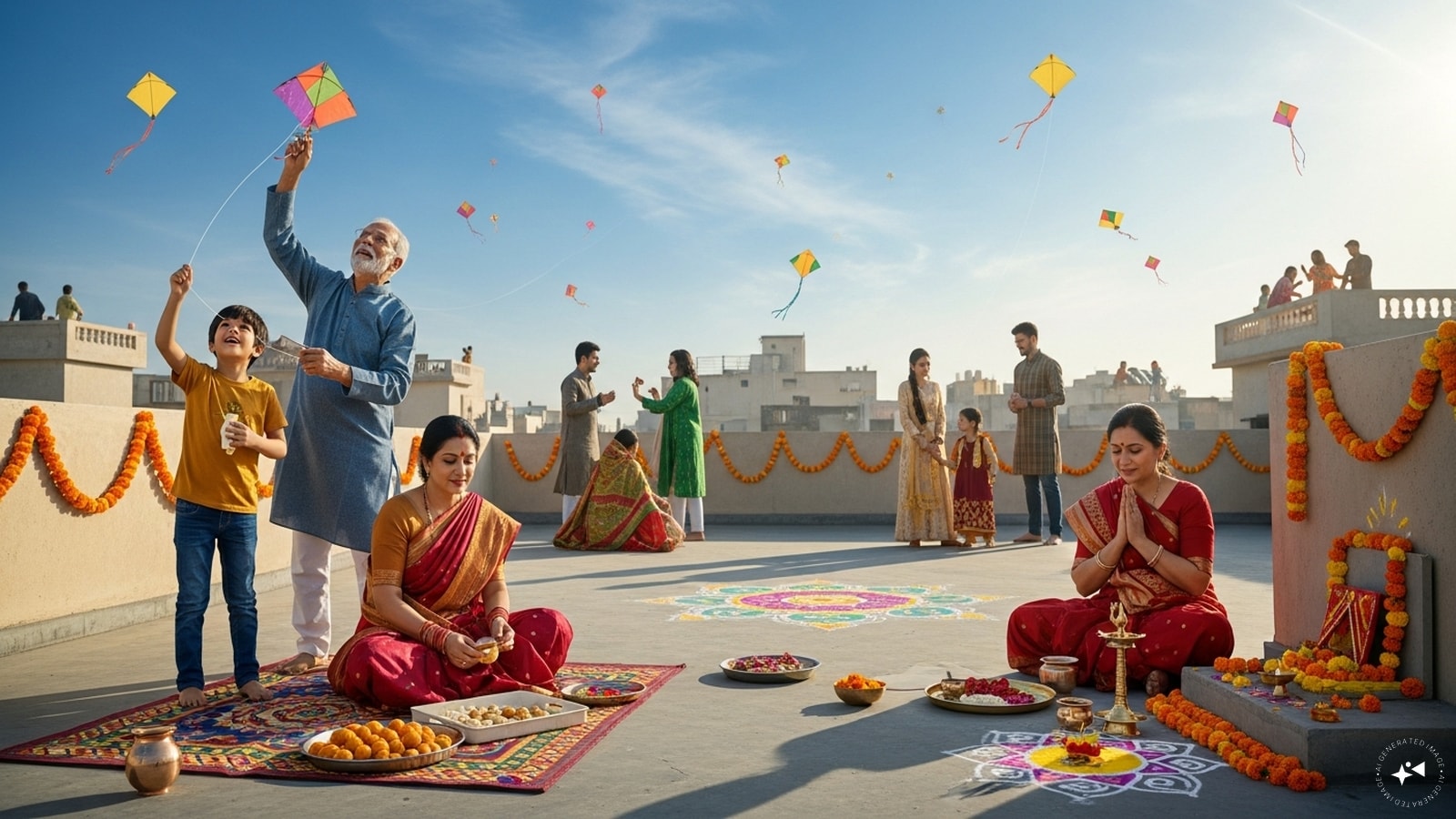
Makar Sankranti, observed every January, marks the Sun’s transition into Capricorn and the beginning of Uttarayan, its northward journey. While most people associate the festival with kite-flying in Gujarat, Pongal feasts in Tamil Nadu, or Lohri bonfires in Punjab, India’s cultural diversity ensures that this harvest festival is celebrated in countless unique ways. Some of these traditions remain lesser-known outside their regions, yet they beautifully reflect the spirit of gratitude, community, and renewal that Sankranti embodies.(Image: AI-Generated)
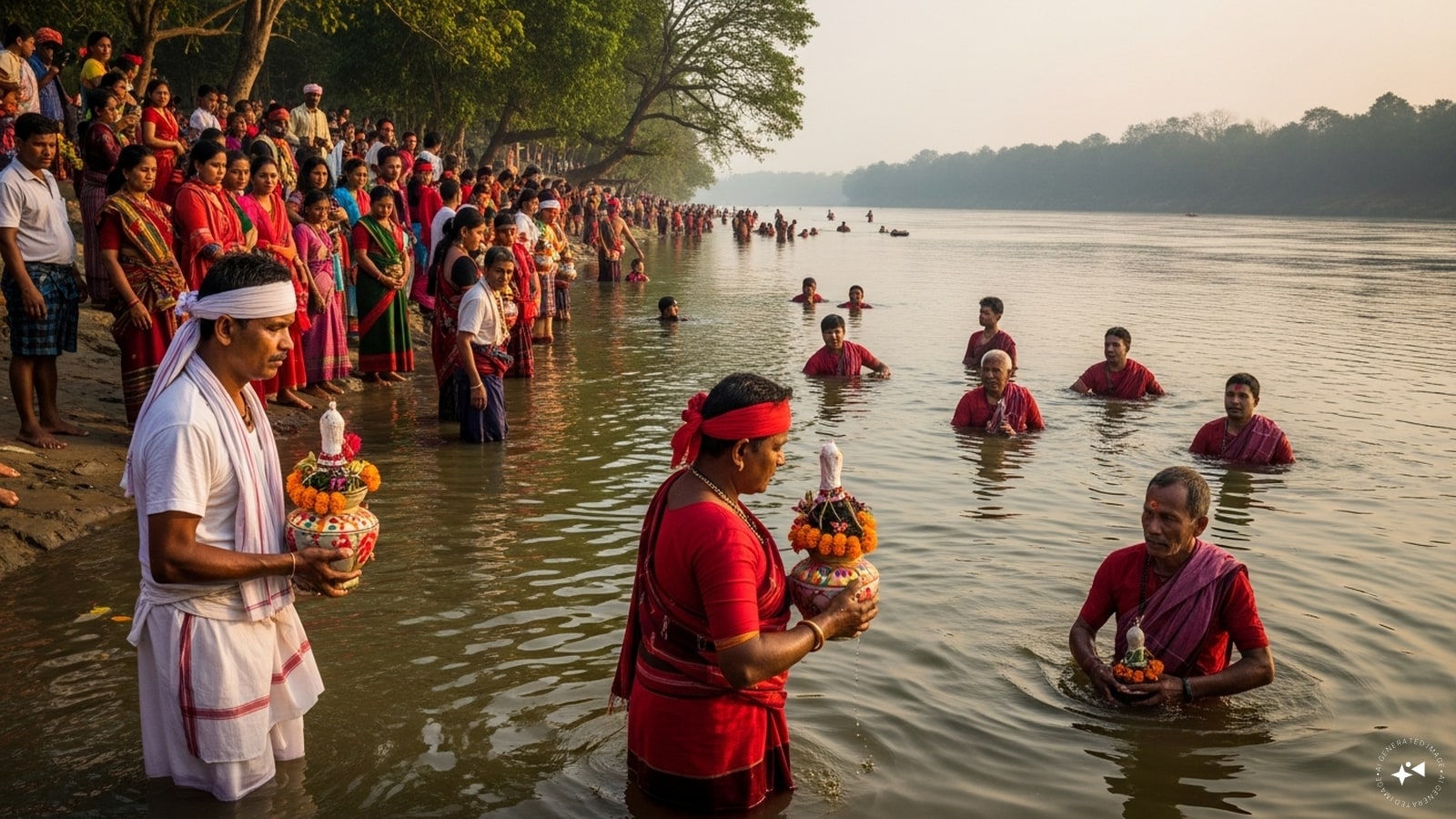
Hangarai: In Tripura, the tribal festival of Hangarai coincides with Makar Sankranti. Rooted in ancient lore, communities gather at the confluence of the Gomati River to immerse ancestral remains and take a holy dip, symbolizing purification and respect for elders. This ritual emphasizes continuity between generations, blending spirituality with ecological reverence. (Image: AI-Generated)
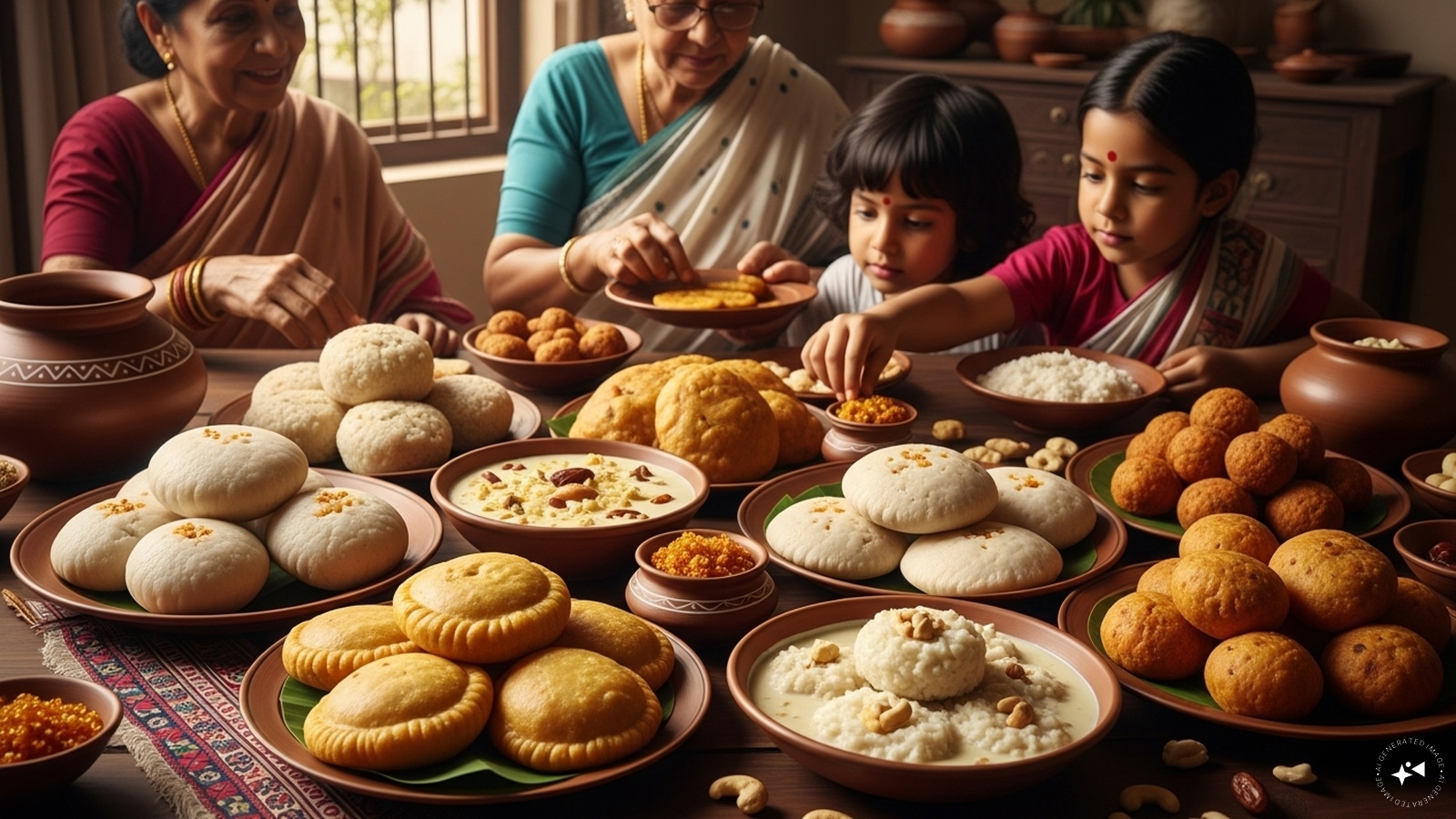
Poush Sankranti: For Bengalis, Sankranti marks the end of the month of Poush. Known as Poush Sankranti, it is celebrated through food rather than large public gatherings. Households prepare pithe (rice cakes), payesh (rice pudding), and delicacies made with nolen gur (date-palm jaggery). These winter sweets are not just culinary delights but also a way of celebrating the harvest season and the warmth of togetherness. (Image: AI-Generated)
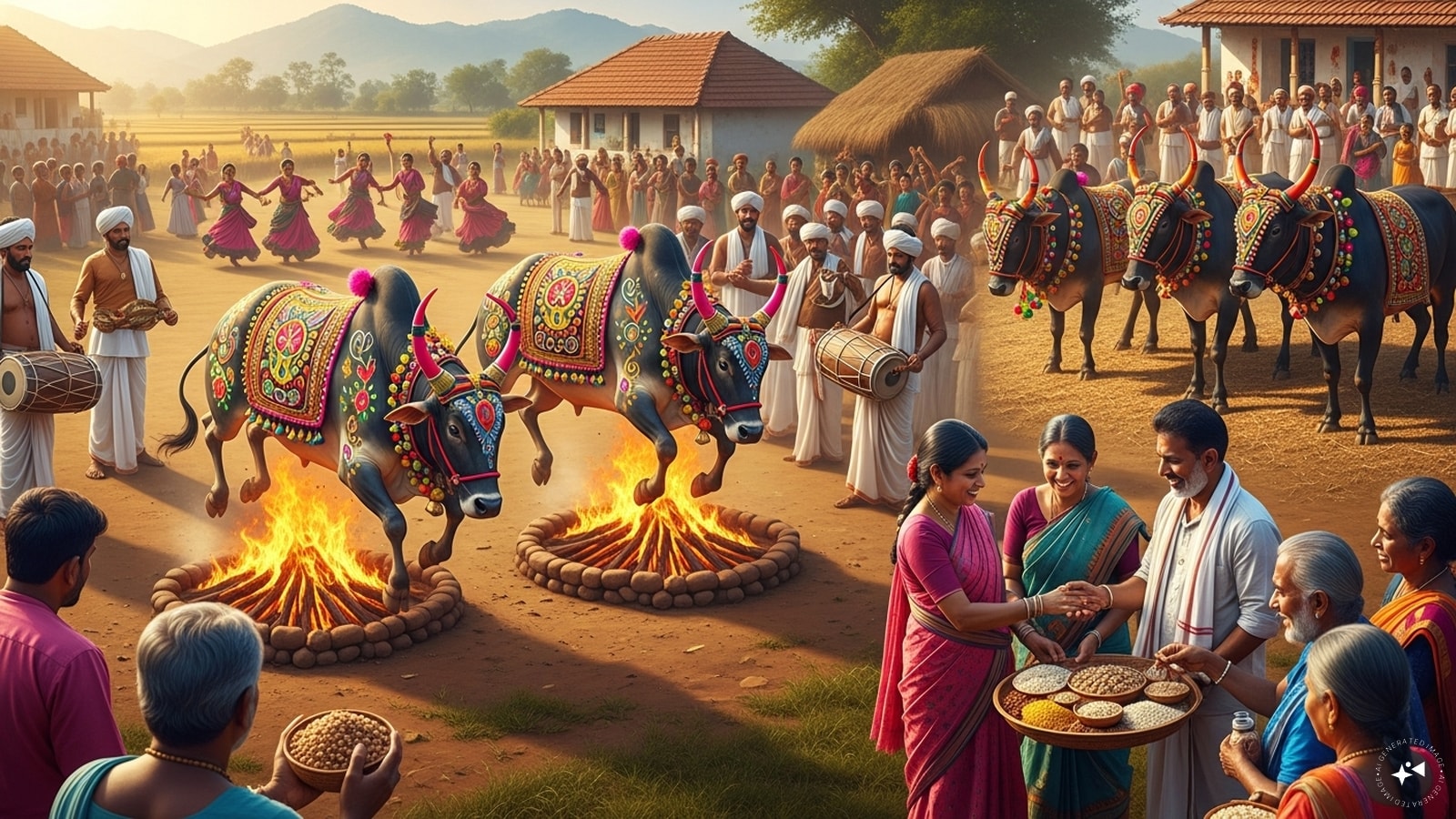
Suggi Habba: In rural Karnataka, Suggi Habba is a vibrant village festival. Farmers decorate their cattle, worship them, and organize folk performances. A striking ritual is Kichuchu Haisodu, where decked-up bulls leap over small bonfires, symbolizing courage and purification. Families also exchange ellu-bella (a mix of sesame seeds, jaggery, coconut, and groundnuts) along with new clothes, spreading goodwill and gratitude. (Image: AI-Generated)
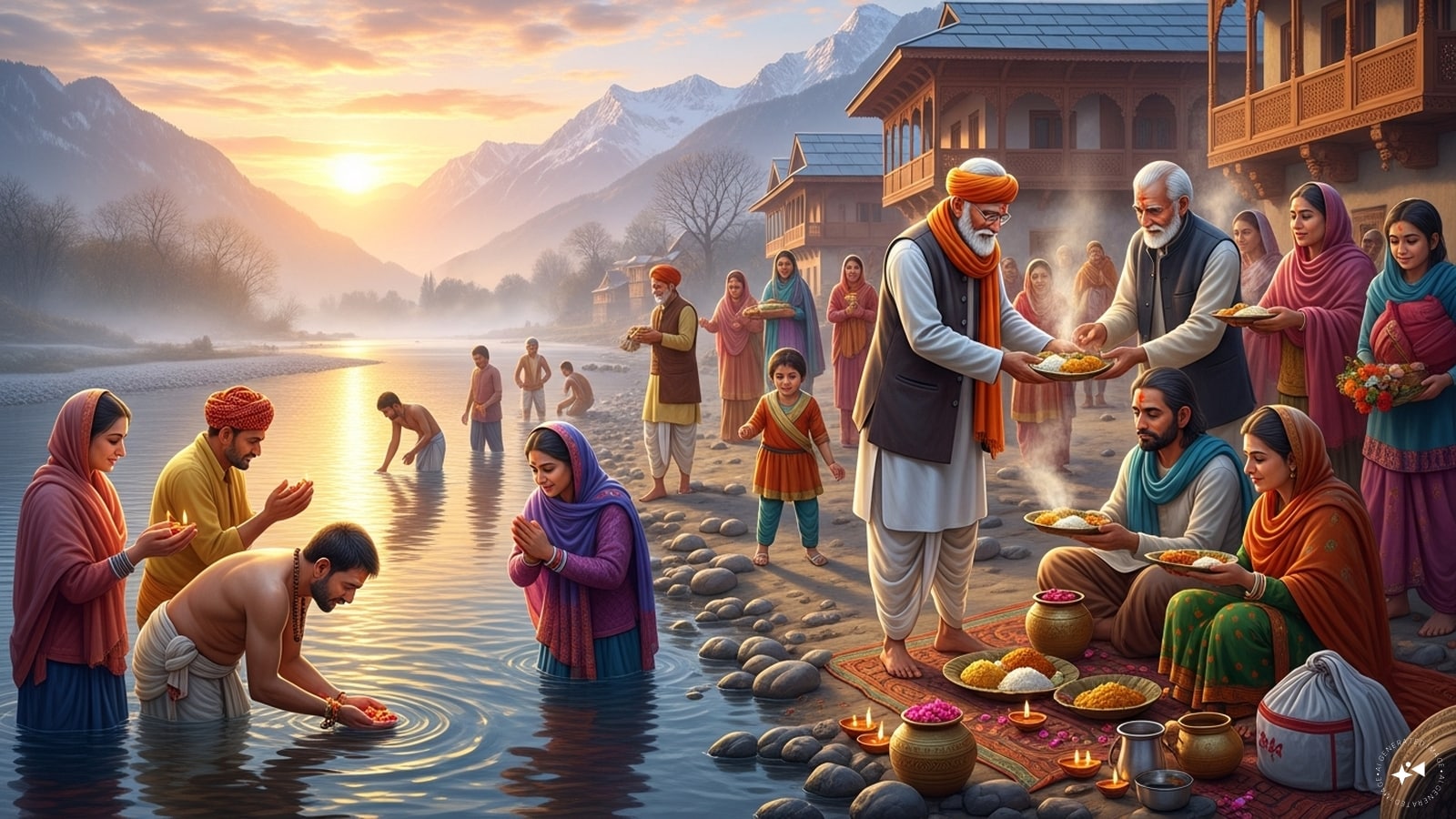
Maaghi Sangrand: Among the Dogra community in Jammu, Makar Sankranti is observed as Maaghi Sangrand or Khichdi wala Parva. Devotees take ritual baths in rivers like the Devika, offer charity, and prepare khichdi as a sacred dish. The emphasis here is on humility, charity, and devotion, reflecting the festival’s spiritual undertones. (Image: AI-Generated)
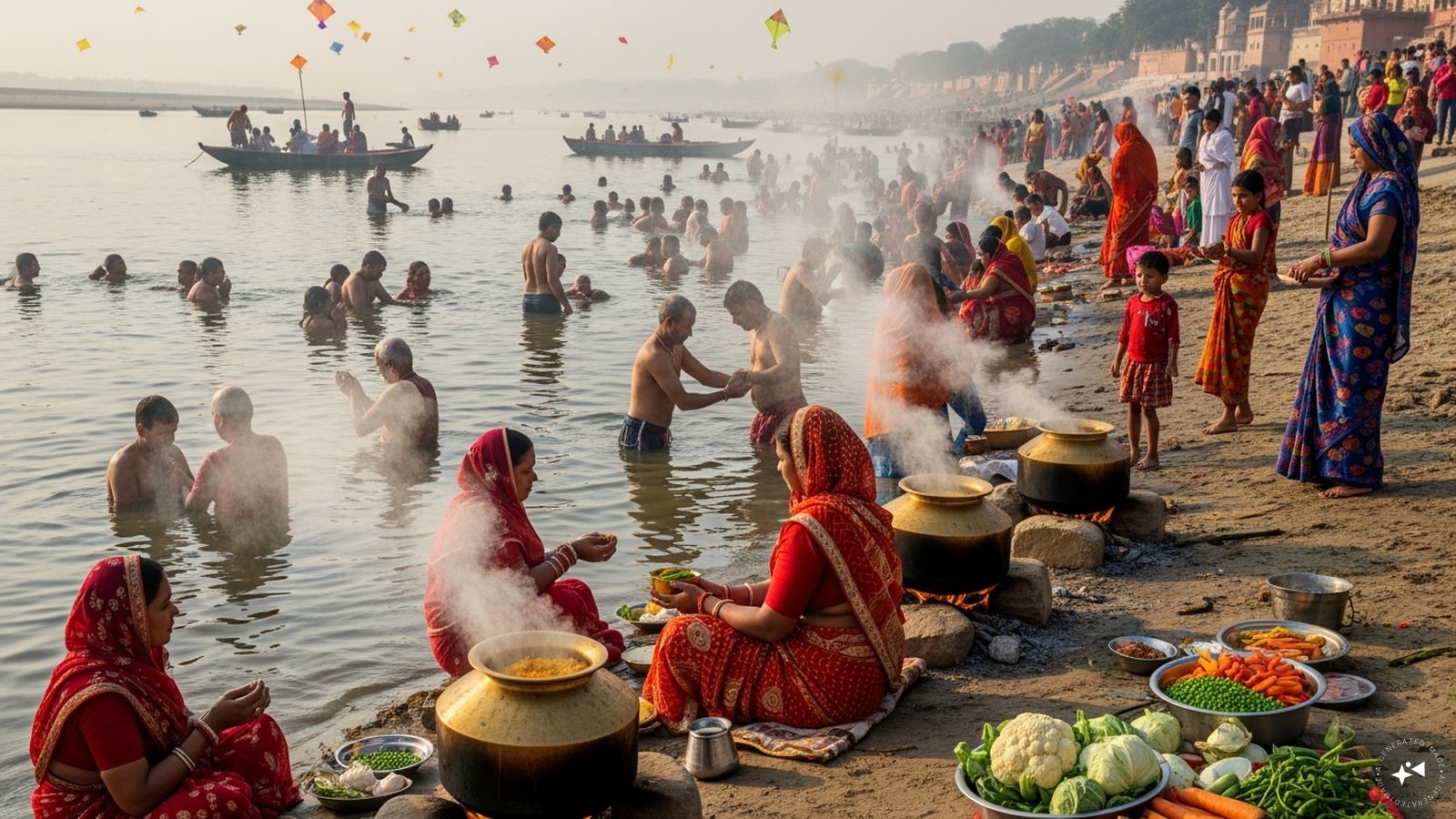
Khichdi and Ritual Baths: In Bihar, Sankranti is marked by river baths and khichdi offerings. Families prepare khichdi with seasonal vegetables, symbolizing simplicity and sustenance. The act of bathing in rivers is believed to cleanse sins, while sharing food reinforces community bonds. (Image: AI-Generated)
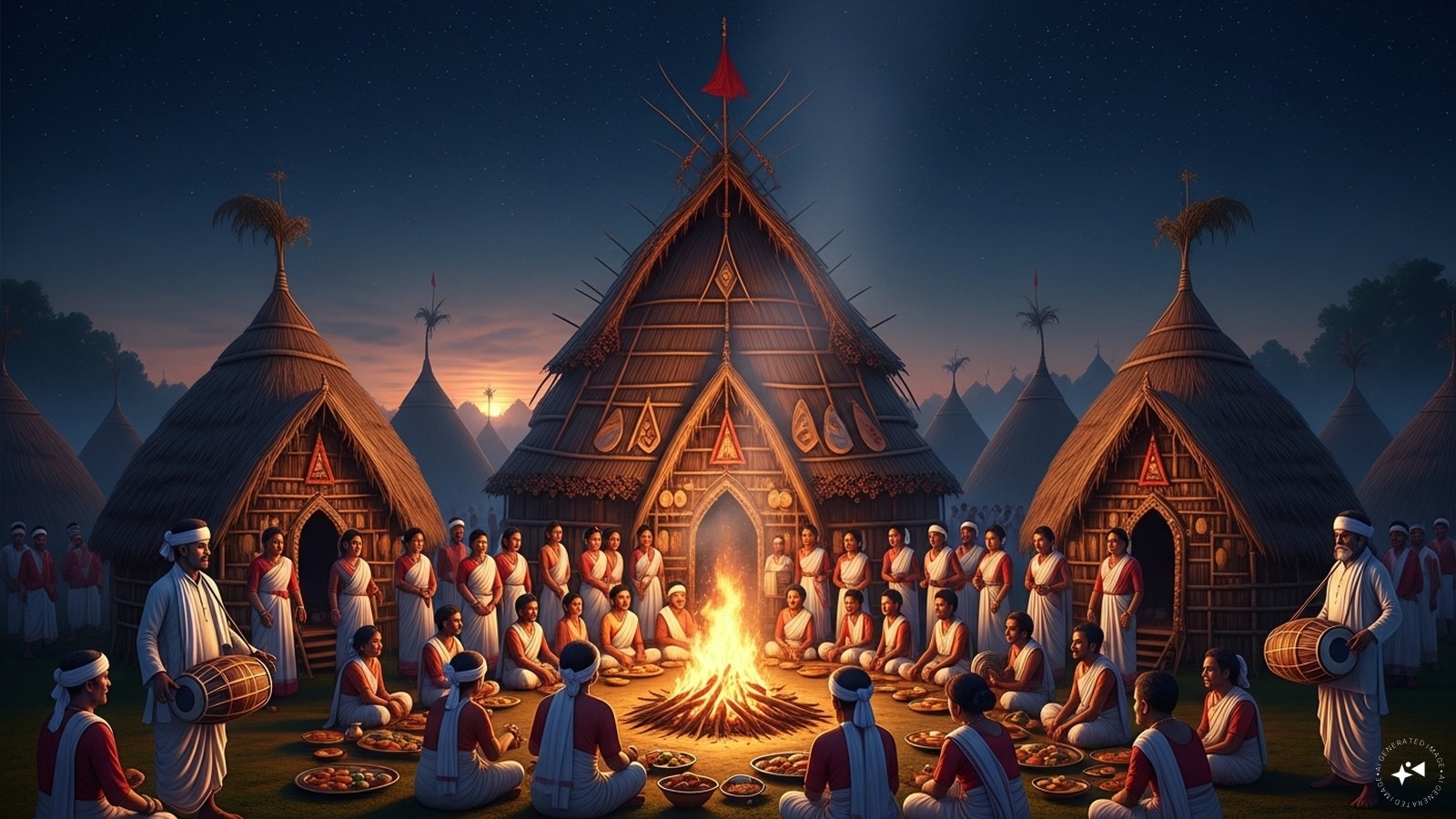
Magh Bihu: Though better known than some, Magh Bihu in Assam deserves mention for its unique customs. On the eve of Sankranti, communities build temporary huts called meji and bhelaghar, where they feast overnight. At dawn, these huts are burnt, symbolizing the end of winter and the welcoming of spring. The communal feasting and bonfires highlight unity and joy. (Image: AI-Generated)
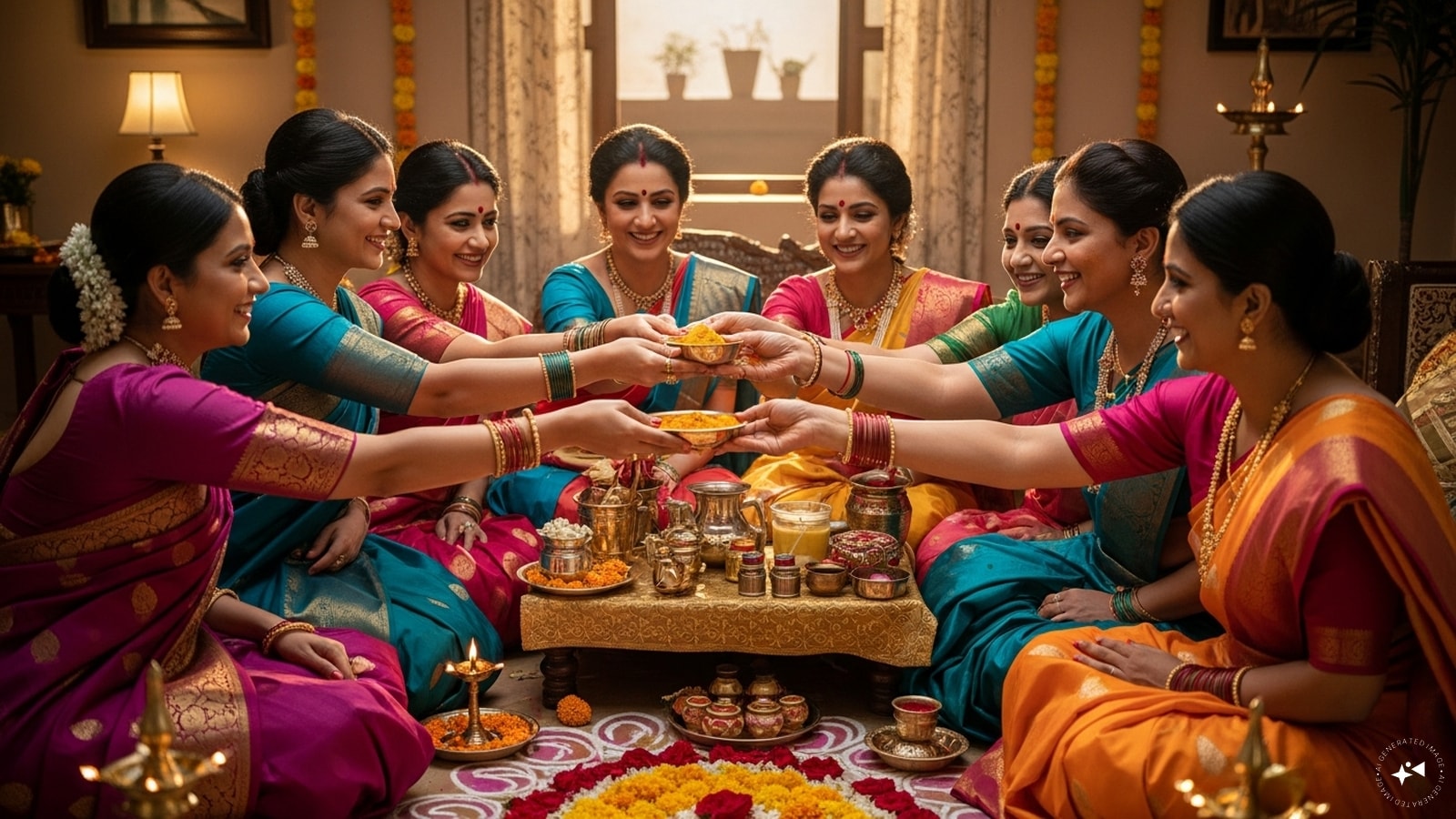
Haldi-Kumkum: In Maharashtra, Sankranti is celebrated with Haldi-Kumkum ceremonies, where married women invite each other, exchange turmeric and vermillion, and gift household items. This ritual fosters social bonds and mutual respect, emphasizing the role of women in sustaining cultural traditions. (Image: AI-Generated)
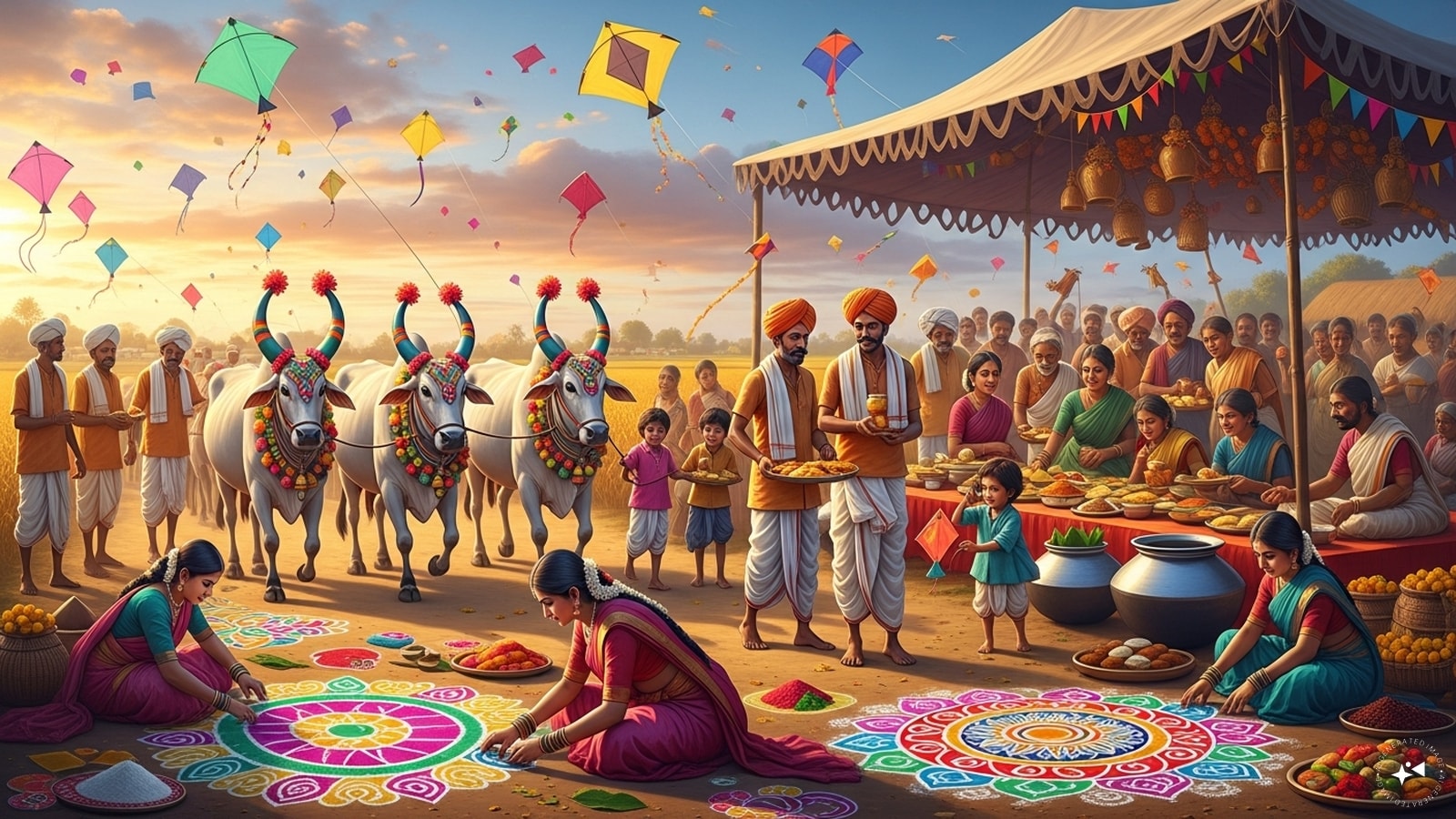
Pedda Panduga: In Andhra Pradesh and Telangana, Sankranti is known as Pedda Panduga (the big festival). Beyond the popular kite-flying, villages organize cattle parades, rangoli competitions, and community feasts. The emphasis is on rural life, agricultural prosperity, and collective joy. (Image: AI-Generated)
News Photogallery lifestyle Makar Sankranti 2026: Regional Celebrations You’ve Probably Never Heard Of





 English (US) ·