

 21 hours ago
4
21 hours ago
4
ARTICLE AD BOX

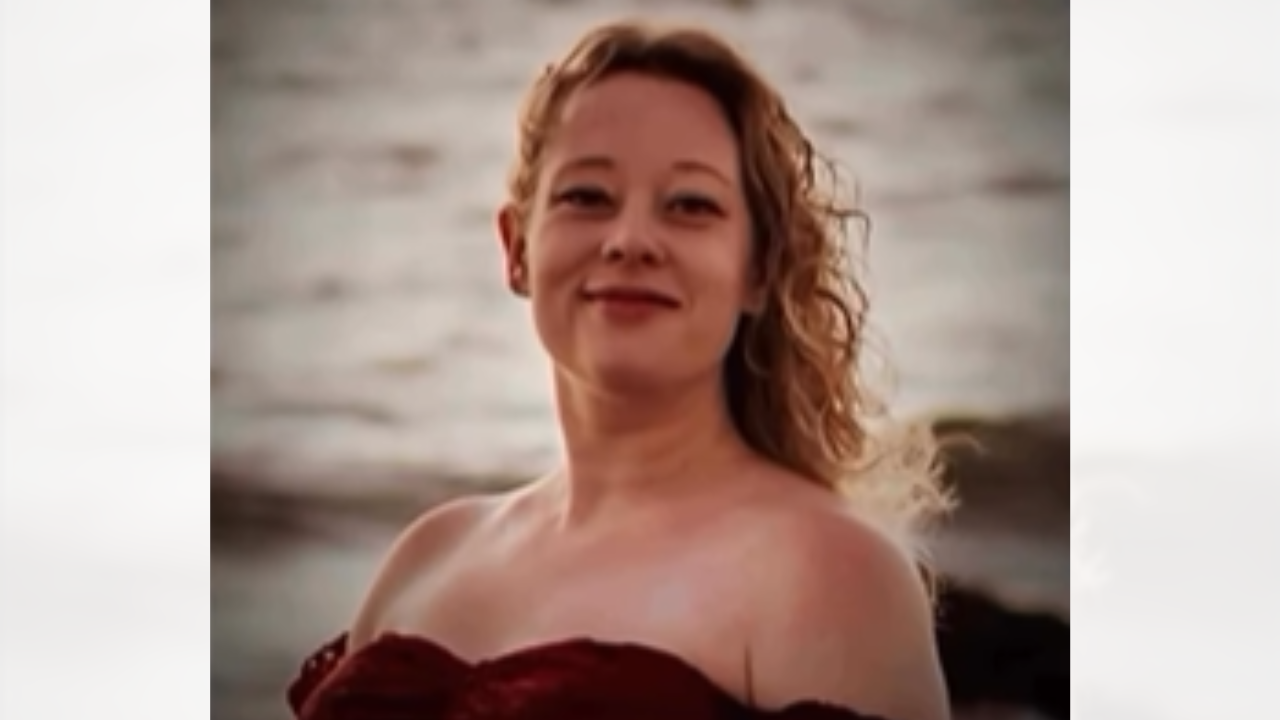
Renee Nicole Good lived a few blocks from where she died. She was 37, a US-born citizen, a poet, and a mother of three. On a winter morning in south Minneapolis, during a large federal immigration enforcement operation, she was shot and killed by an officer from US Immigration and Customs Enforcement (ICE) while seated inside her car.Within hours, federal officials said the shooting was justified. An investigation was announced, but a definitive account was already being presented.
The Good: Renee Nicole Good - mother and poet
Renee Nicole Good (Image/Instagram)
Renee Good was a Minneapolis resident with no known connection to immigration enforcement. According to reporting by Minnesota Public Radio News, she was a mother raising three children, a writer who had studied English and creative writing, and someone known in her neighbourhood for being thoughtful and engaged rather than confrontational.Family members and neighbours told local reporters that she was not participating in protests or attempting to interfere with law enforcement on the day of the shooting. She was described as someone who had recently been navigating significant personal change, including the loss of her former spouse, while focusing on caring for her children and settling into daily life in the city.Her citizenship is relevant context. ICE’s mandate centres on immigration enforcement involving non-citizens.
While citizenship does not itself determine whether force was lawful, encounters between federal immigration agents and US citizens fall outside the agency’s primary enforcement purpose and heighten expectations around caution and de-escalation.
The Bad: What happened during the incident
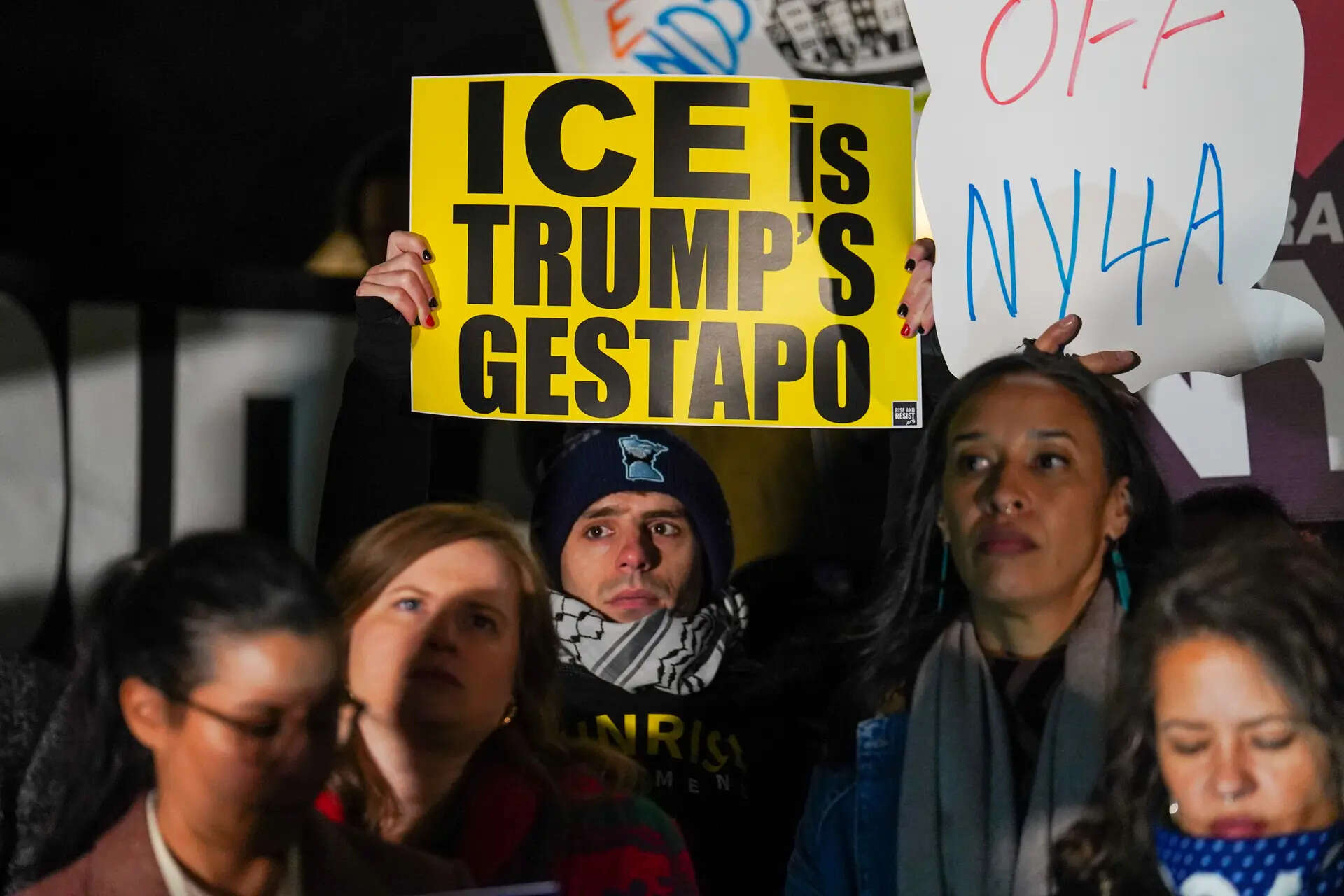
People participate in a protest in response to the fatal shooting of Renee Nicole Good by a Federal immigration officer this morning in Minneapolis, Wednesday, Jan. 7, 2026, in New York. (AP Photo/Ryan Murphy)
The shooting occurred on Portland Avenue amid what federal authorities described as a major ICE operation in the Twin Cities. MPR News obtained and authenticated multiple videos and eyewitness accounts from the scene.According to those accounts, several ICE vehicles were present, and agents approached Good’s car as it was stopped in the street. Eyewitnesses told MPR News that agents issued conflicting commands, with one officer telling Good to leave the area while another ordered her to get out of the vehicle and reached for the door handle.
Witnesses said Good attempted to manoeuvre her car away from the cluster of vehicles and officers.
As the car began to move, an ICE officer standing near the front and side of the vehicle fired multiple shots into the car at close range, striking her in the head. The vehicle then continued forward briefly before crashing into a parked object.Several witnesses told MPR News they did not see the car strike any officers before shots were fired. They also reported that neighbours who attempted to render medical aid were ordered to stay back and that emergency responders initially had difficulty accessing the scene due to the positioning of federal vehicles.ICE later said officers believed the vehicle posed an immediate threat. Local officials and witnesses disputed that account, saying the available footage and testimony suggested confusion and attempted withdrawal rather than an attack.
The Ugly: How the shooting was justified
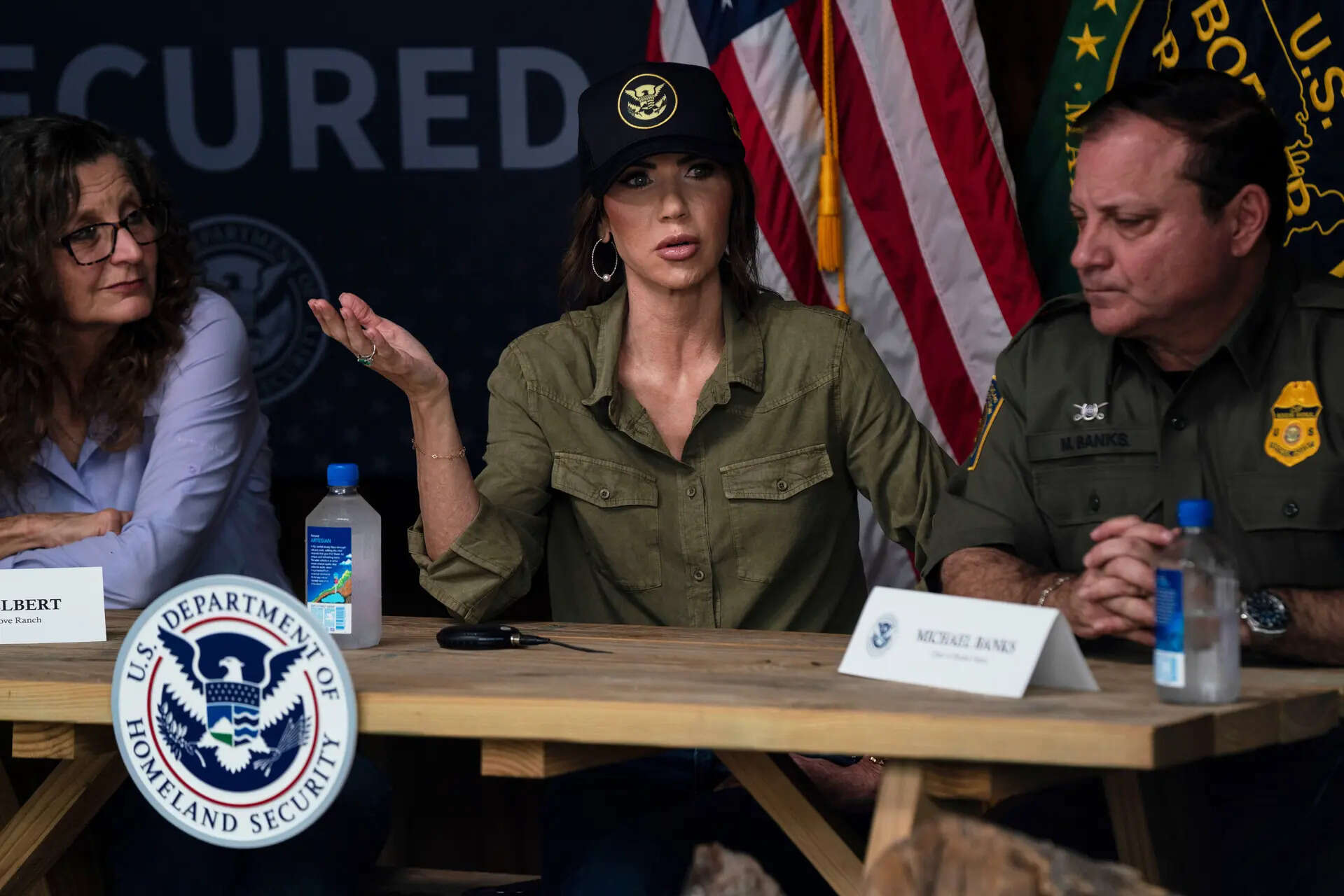
U.S. Secretary of Homeland Security Kristi Noem speaks to local land owners and other officials on Wednesday, Jan. 7, 2026, in Brownsville, Texas. (AP Photo/Gabriel V. Cardenas)
Even as investigations were being announced, senior Trump administration officials moved quickly to publicly defend the shooting.US president Donald Trump stated that the ICE officer had acted in self-defence and claimed that Good had deliberately attempted to run officers over. Homeland Security Secretary Kristi Noem echoed that assessment, describing the scene as involving a “mob of agitators” and characterising the use of the vehicle as a lethal threat.
Federal statements framed the shooting as a necessary defensive action and said ICE operations in Minneapolis would continue.The language used went beyond acknowledging an inquiry. It asserted conclusions about intent and justification before investigators had completed interviews, reviewed all video evidence, or released formal findings.State and local leaders responded sharply. Minneapolis mayor Jacob Frey rejected the federal account and called for ICE to leave the city.
Minnesota governor Tim Walz said state officials had warned that intensified federal operations carried public safety risks and described the shooting as the result of unnecessary escalation. Representative Ilhan Omar said federal actions had led directly to a civilian death.The incident has intensified scrutiny of ICE’s enforcement posture under President Trump, marked by large-scale deployments, armed agents in residential areas, and highly visible operations.
Supporters argue the approach prioritises officer safety and deterrence. Critics say it increases the likelihood of volatile encounters and undermines public trust.
What comes next
Multiple investigations are now underway to determine whether the use of deadly force complied with constitutional standards and whether ICE officers acted within their authority. Those processes will take time. What is already clear is that a US citizen was killed during a federal operation, that political leaders offered a justification almost immediately, and that local officials and eyewitnesses have challenged that version of events.
For Renee Good’s family and community, the legal outcomes remain uncertain. The loss is not.





 English (US) ·