

 1 hour ago
3
1 hour ago
3
ARTICLE AD BOX
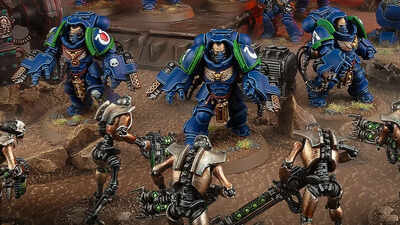
Image credit: Games Workshop
Warhammer maker Games Workshop has reportedly banned its workers from using artificial intelligence (AI) to design tabletop miniatures from the game. The company said that it enacted the ban to protect human creativity after seeing high sales and profits.
The CEO of the £6 billion ($8 billion) tabletop games group, Kevin Rountree, said that the company has a “very cautious” policy that stops the use of AI-generated content in design and competitions.In a statement to The Times, Rountree said that AI was a “very broad topic and to be honest I’m not an expert on it. We do have a few senior managers that are: none are that excited about it yet.”He confirmed that the company is blocking the use of AI-generated content and banning its use in designing processes, competitions and unauthorised activity outside the business. Rountree added that the company also had to monitor and protect itself from “a data compliance, security and governance perspective,” noting that AI and machine-learning tools were increasingly built into everyday devices, “whether we like it or not.”How Games Workshop is reducing its dependency on AITo reduce its reliance on AI, the company said it has hired more creative workers across areas such as concept art, writing, and sculpting during the period.
Adding that the company remained committed to protecting its intellectual property and respecting its human creators, Rountree said, “Talented and passionate individuals make Warhammer the rich, evocative IP that our hobbyists and we all love.”Games Workshop has built a large fanbase that collects its miniature figures and plays its games. The company's stance on generative AI mirrors a broader resistance to the technology across the UK's creative sector. Aardman Animations, the maker of Wallace & Gromit, said it would never use AI to create characters, stories or performances, arguing that its appeal depends on human craftsmanship. However, it has accepted the technology to speed up tasks such as storyboarding and production workflows.







 English (US) ·