

 15 hours ago
9
15 hours ago
9
ARTICLE AD BOX
There was a time when opening Instagram felt like walking into a digital photo album. Everyone was posting their vacations, mirror selfies, aesthetic coffees and “main character” moments like it was a full-time job. Now? The vibes have shifted. You tap through profiles and it is giving… abandoned museum. Old posts, no updates, zero explanation. The feed is quiet, but Gen Z definitely is not offline. They have just stopped performing for the grid.
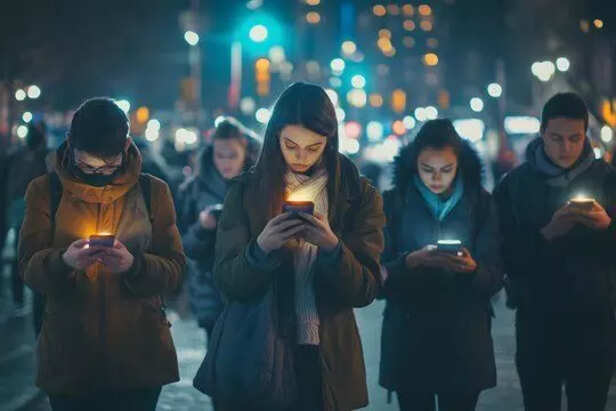
Image credit :
AI generated via Freepik | Everyone was posting their vacations, mirror selfies, aesthetic coffees and “main character” moments like it was a full-time job. Now? The vibes have shifted.
The feed is quiet, but the internet is not
This generation has not disappeared. They are still scrolling, reacting, laughing at memes, watching Reels at 2 a.m. and living inside group chats. They have simply stopped performing their lives for a public audience. Welcome to the era of Posting Zero.
Posting Zero is not a digital detox. It is not a rejection of social media. It is a quiet rebellion against the pressure to constantly be seen.
Image credit :
Instagram | You tap through profiles and it is giving… abandoned museum. Old posts, no updates, zero explanation.
Private sharing has replaced public posting
Instead of curating moments for the main feed, Gen Z is choosing private spaces where content does not need to be aesthetic, meaningful or algorithm-friendly. The real action now happens in DMs, Close Friends stories, WhatsApp groups, Snapchat streaks and Discord servers.
Even Instagram’s leadership has acknowledged the shift. Public posting is declining, while private sharing is booming. The platform has adapted by pushing messaging features over main-grid content.
Gen Z has not gone antisocial, they have just gone selective.
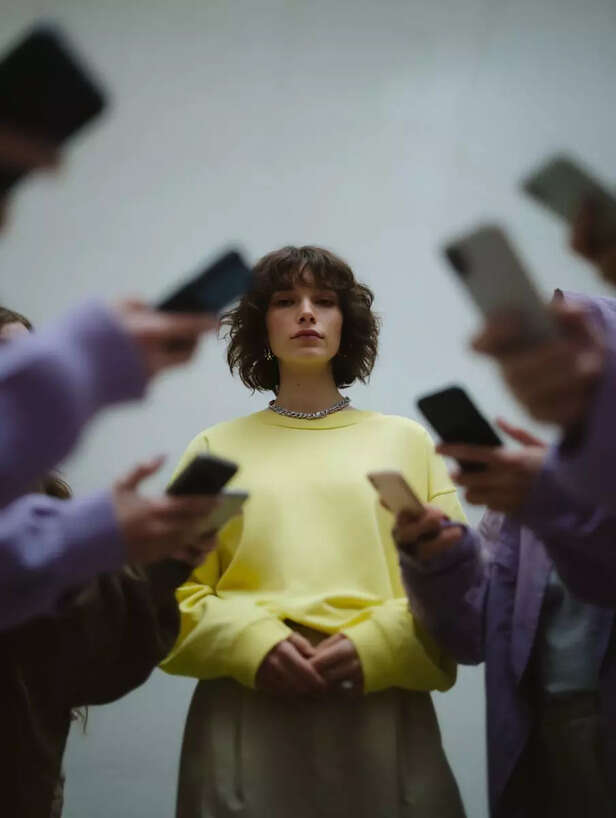
Image credit :
AI generated via Freepik | Instead of curating moments for the main feed, Gen Z is choosing private spaces where content does not need to be aesthetic, meaningful or algorithm-friendly.
Posting now feels like work
One major reason for this silence is exhaustion. Posting has slowly turned into a performance. Every photo requires thought. The angle, the lighting, the caption, the timing, the vibe. Then comes the waiting. Will people like it? Will it flop? Should it be deleted?
What used to feel fun now feels like unpaid creative labour.
For a generation already dealing with academic pressure, unstable job markets and constant uncertainty, social media does not need to feel like another task on the to-do list. Silence is easier than trying to keep up.
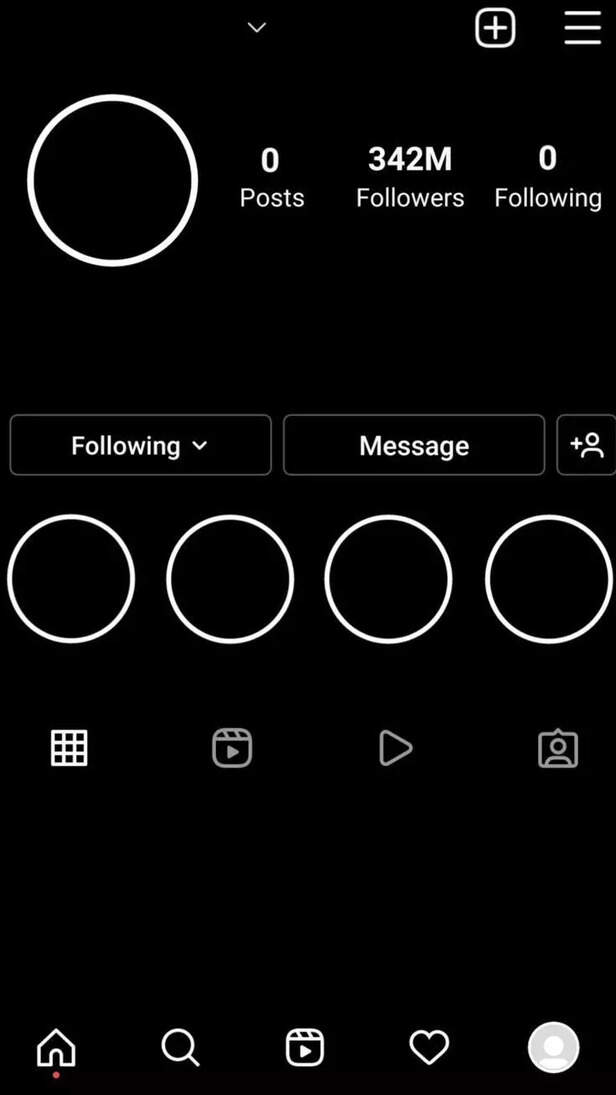
Image credit :
AI generated via Freepik | The real action now happens in DMs, Close Friends stories, WhatsApp groups, Snapchat streaks and Discord servers.
Algorithms killed the personal feed
The algorithm has not helped either. Social feeds are no longer personal scrapbooks. They are crowded with influencer content, sponsored posts and AI-suggested strangers. Personal moments get buried under ads and viral clips.
When your post feels invisible the second it goes live, the motivation to share disappears.
Social media used to feel like a diary. Now it feels like a billboard.
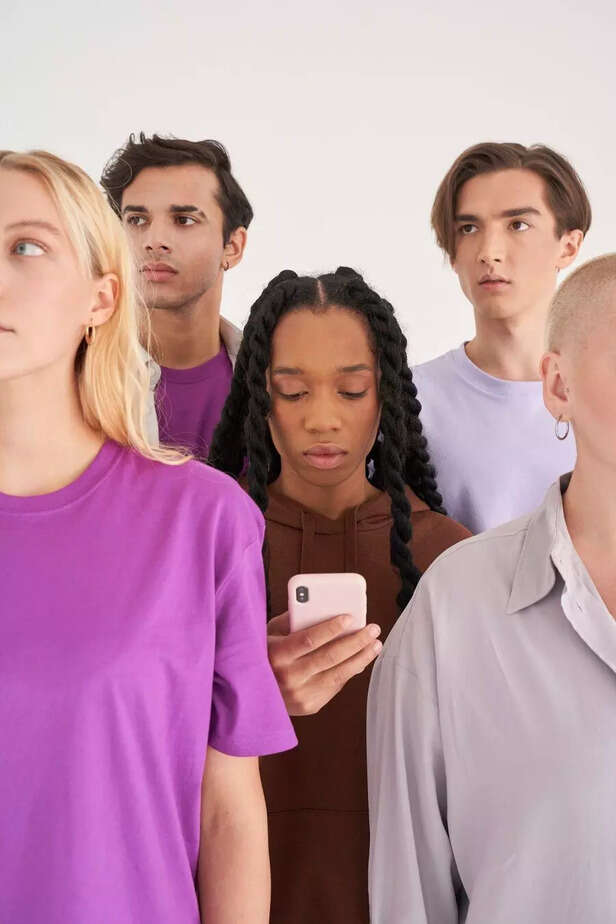
Image credit :
AI generated via Freepik | Public posting is declining, while private sharing is booming. The platform has adapted by pushing messaging features over main-grid content.
Curated perfection no longer connects
Then there is the emotional fatigue of comparison. Endless exposure to curated lives can quietly drain confidence. The filtered perfection of influencer culture does not feel relatable anymore.
Gen Z craves realness, but realness rarely performs well on public feeds. Authentic connection now lives in conversations, not content.
If it does not feel genuine, it is not worth posting.
Privacy has become power
Privacy has also become a priority. Growing up online taught this generation how quickly personal posts can spread, be misinterpreted or resurface years later. Screenshots last forever. Digital footprints never fade.
Posting less is not about hiding. It is about protecting peace, as silence feels safer than oversharing in a world that never forgets.

Image credit :
AI generated via Freepik | One major reason for this silence is exhaustion. Posting has slowly turned into a performance.
Gen Z is still deeply online
Despite the empty grids, Gen Z is still deeply online. Their presence just looks different now. They are active in TikTok comment sections, Reddit threads, Discord communities and group chats that never sleep.
They react, reply, joke, vent and overshare, just not to the entire internet.
Instead of broadcasting to strangers, they share selectively with people they trust. Moments do not need to be perfectly edited. They can be messy, spontaneous and real.
No captions. No likes. No pressure.

Image credit :
AI generated via Freepik | They are active in TikTok comment sections, Reddit threads, Discord communities and group chats that never sleep.
Selective sharing Is the new digital wellness
This shift has quietly redefined what “being online” means. Visibility is no longer the goal. Connection is. For many, stepping back from public posting feels liberating. Less comparison. Less performance. Less anxiety about how life looks from the outside.
Selective sharing has become a form of digital self-care, because not every moment needs to be documented, and not every experience needs an audience.

Image credit :
Freepik | For many, stepping back from public posting feels liberating. Less comparison. Less performance. Less anxiety about how life looks from the outside.
Silence is the new statement
Posting Zero is not about disappearing, honestly it is about control.
In a culture obsessed with visibility, Gen Z is choosing privacy. In a world addicted to noise, they are embracing quiet. While platforms chase louder, flashier content, one of the most influential generations online is moving in the opposite direction.
They are rewriting the rules of digital presence. From broadcasting everything to sharing only what matters. From performing life to simply living it.
The grid may be silent, but Gen Z is not. They are just speaking in smaller rooms now. Because sometimes, the loudest statement online is saying nothing at all.







 English (US) ·