

 1 hour ago
6
1 hour ago
6
ARTICLE AD BOX
Last Updated:April 11, 2026, 13:40 IST
Officials on both sides are said to be approaching the talks with an “ambitious but realistic” agenda, aiming for two to three rounds of intensive discussions


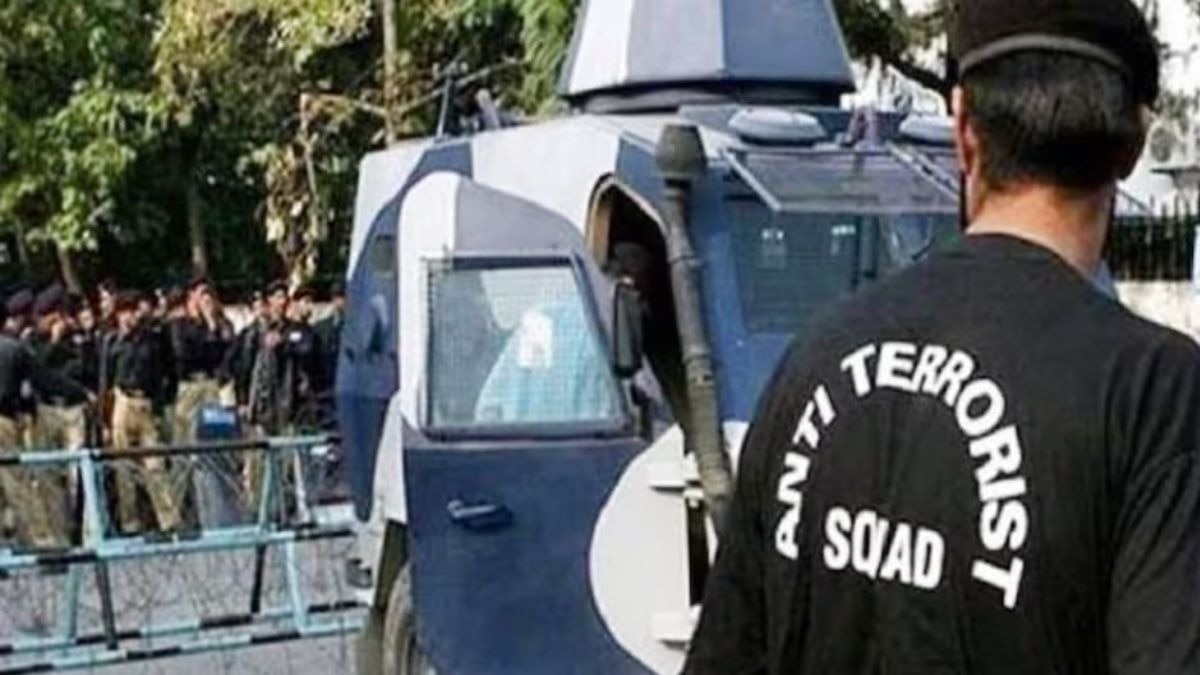
Security personnel stand guard near the expected venue of the US-Iran talks in the Red Zone area of Islamabad on April 10. (Image/AFP)
As the United States and Iran sit for a fresh round of high-stakes diplomacy, Pakistan has emerged as a critical intermediary, quietly facilitating communication between the two sides ahead of expected direct talks.
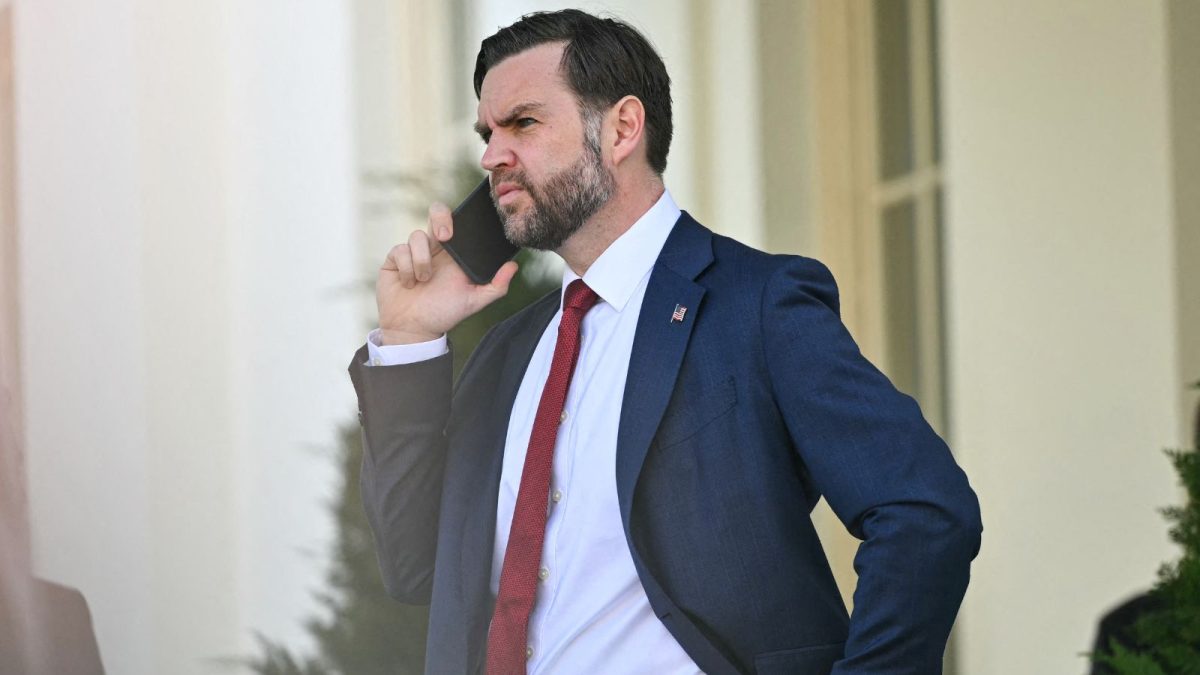
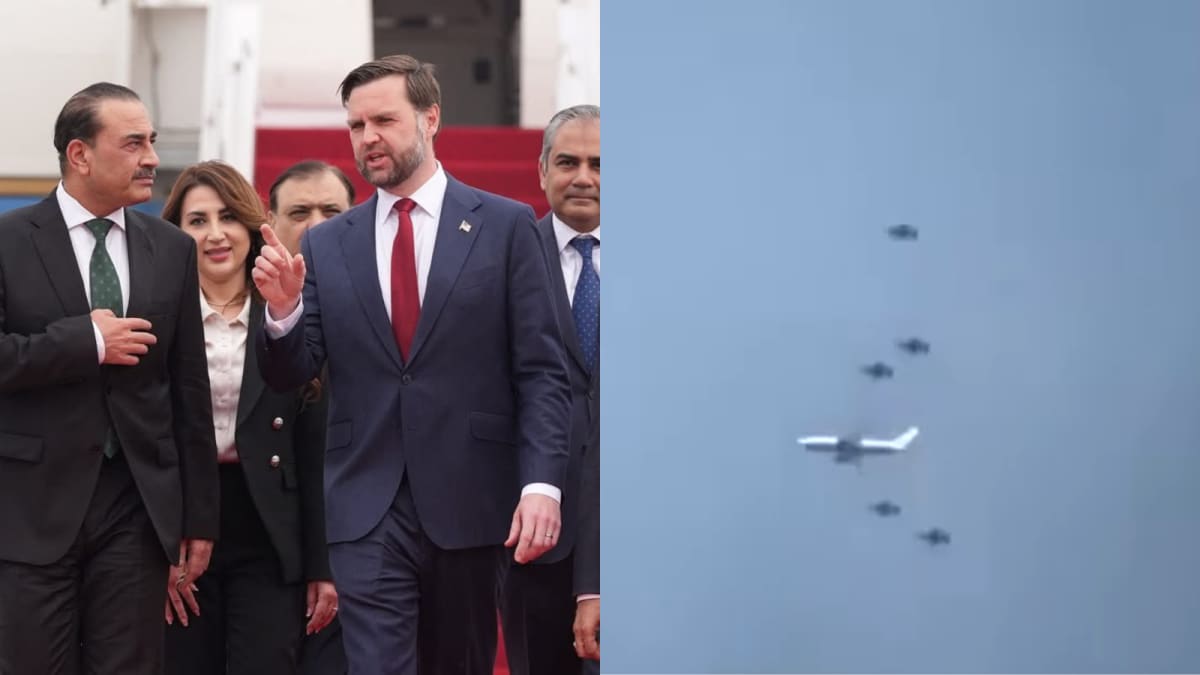
CNN-News18 has learnt that Islamabad has been actively briefing both Washington and Tehran, relaying Iranian demands and positions through backchannel engagements. These inputs are now being conveyed to the US delegation, led by Vice-President JD Vance, setting the stage for what could be the first direct face-to-face meetings between the two sides in months.
Officials on both sides are said to be approaching the talks with an “ambitious but realistic" agenda, aiming for two to three rounds of intensive discussions. Both delegations are described as “fully empowered", suggesting that any breakthroughs could be translated into immediate policy decisions.
However, significant sticking points remain.
Among the most contentious issues is Iran’s insistence on linking any broader agreement to a ceasefire in Lebanon, a move that complicates the already fragile regional security environment. Tehran is also pushing for full lifting of US sanctions, both primary and secondary, alongside formal recognition of its right to uranium enrichment, a longstanding red line for Washington.
Control over the Strait of Hormuz has emerged as another flashpoint. Iran is seeking explicit recognition of its sovereignty over the strategic waterway and has floated the idea of imposing variable tolls on international shipping—a proposal that could have far-reaching implications for global energy markets.
In addition, Iran is demanding security guarantees in the form of a non-aggression pact, compensation for war-related damages, and an end to all regional conflicts, including the withdrawal of US forces from the region. Tehran has also called for the termination of relevant United Nations resolutions tied to its nuclear programme.
Despite these wide gaps, early signs suggest that both sides may be willing to settle for an interim outcome. An initial agreement could focus on extending the current ceasefire while negotiations continue, buying time for more complex issues to be addressed in subsequent rounds.
With Pakistan acting as a conduit and both sides signalling readiness to engage directly, the coming days are likely to test whether diplomacy can deliver even a limited breakthrough or whether entrenched differences will once again stall progress.
MEDIA GAG
As Islamabad hosts sensitive diplomatic engagements, Pakistan’s Ministry of Information and Broadcasting has issued a strict media directive, significantly tightening control over coverage of the ongoing peace talks. Journalists, both local and international, have been explicitly instructed to avoid speculation and rely solely on official statements, under a “no speculation, only official inputs" policy.
The move has raised concerns within media circles, with several journalists expressing unease over the lack of space for independent reporting. The guidelines effectively limit on-ground coverage and analysis, reinforcing a tightly managed information environment at a time when global attention is focused on the talks.
According to sources, the restrictions extend beyond traditional media. Advisories have also been issued to social media activists and YouTubers, warning against “negative comments or coverage" related to the negotiations. The sweeping nature of these directives underscores Islamabad’s intent to maintain a controlled narrative around the high-stakes discussions, even as it fuels concerns about press freedom and transparency.
Handpicked stories, in your inbox
A newsletter with the best of our journalism
Location :
Islamabad, Pakistan
First Published:
April 11, 2026, 13:39 IST
News world Can Pakistan Bridge The US-Iran Divide As Peace Talks Begin Under Media Curbs? Exclusive
Disclaimer: Comments reflect users’ views, not News18’s. Please keep discussions respectful and constructive. Abusive, defamatory, or illegal comments will be removed. News18 may disable any comment at its discretion. By posting, you agree to our Terms of Use and Privacy Policy.
Read More


 English (US) ·