

 1 hour ago
7
1 hour ago
7
ARTICLE AD BOX
Last Updated:April 06, 2026, 11:21 IST
The renewed attention comes amid recurring tensions around the Strait of Hormuz, a narrow but vital artery through which a significant share of the world’s oil supply passes


the concept traces back to Project Plowshare, a US initiative launched in the late 1950s under the broader “Atoms for Peace” vision. (Getty)
When the world faces geopolitical tension, especially around critical oil chokepoints, even the most outlandish ideas tend to resurface. One such proposal—using nuclear explosions to carve out alternative sea routes—may sound like science fiction but was seriously studied once.
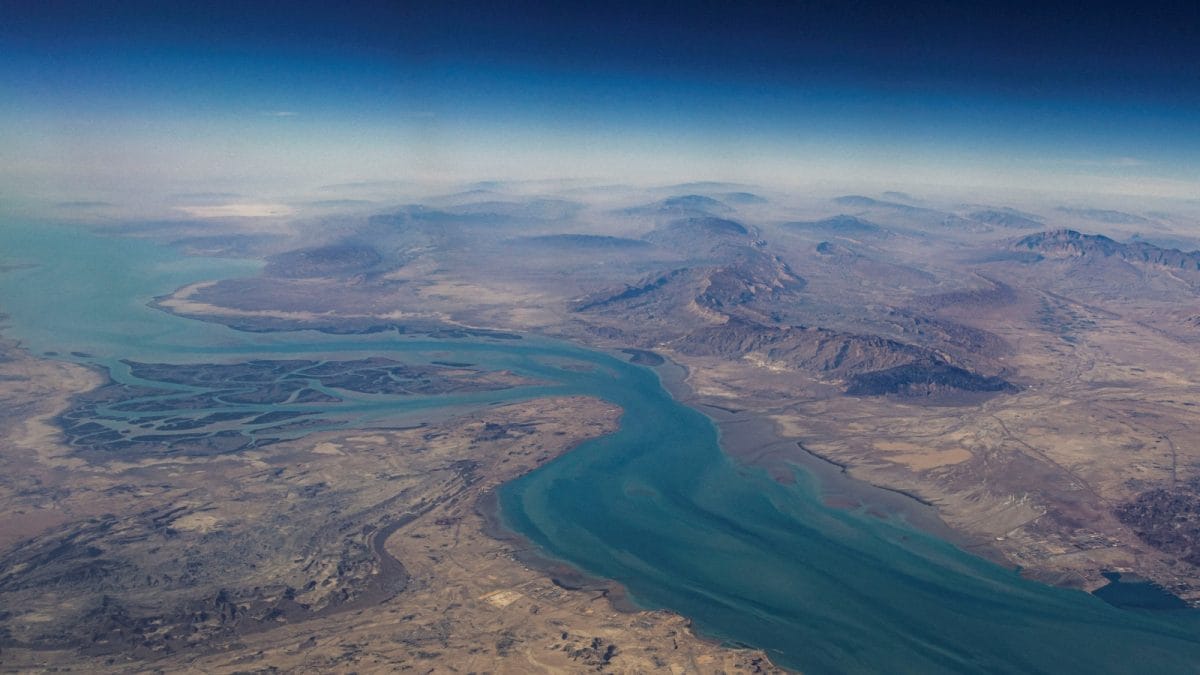
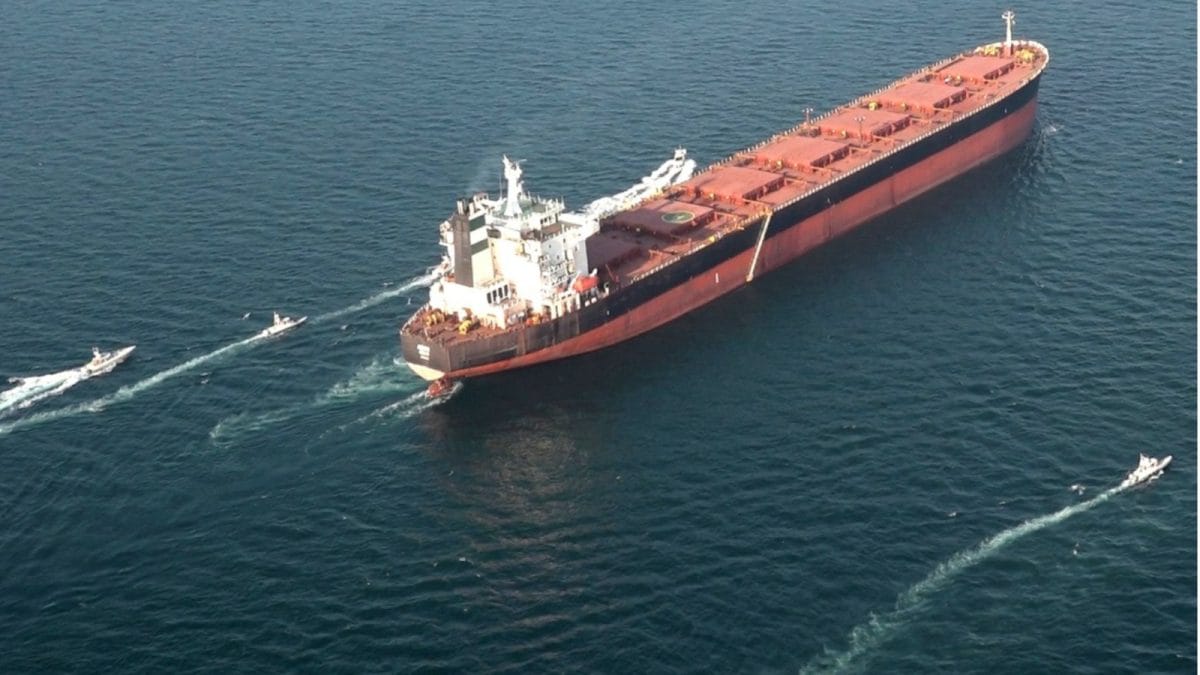
The renewed attention comes amid recurring tensions around the Strait of Hormuz, a narrow but vital artery through which a significant share of the world’s oil supply passes. Any disruption here has immediate global consequences, which is precisely why policymakers have, at times, entertained extreme solutions.
The Cold War Origins Of A Radical Idea
According to The Conversation, the concept traces back to Project Plowshare, a US initiative launched in the late 1950s under the broader “Atoms for Peace" vision. The goal was to find “peaceful" uses for nuclear explosions, ranging from mining to large-scale infrastructure.
Among the most ambitious ideas was the use of nuclear blasts to dig canals. The basic idea was that nuclear devices could act like super‑powerful earthmovers: instead of months or years of conventional digging, a nuclear explosion could theoretically blast million‑cubic‑metre chunks of rock and soil away in an instant. Advocates believed this might make exceptionally large construction projects more feasible, including the excavation of canals that would otherwise be prohibitively expensive or slow to build.
ALSO READ | Secret Codes And Chinese Yuan: Here’s How Iran Plans To Turn Strait Of Hormuz Into Toll Route
The report notes that US planners examined whether a new sea-level canal—either as an alternative to the Panama Canal or through parts of Colombia—could be created using a series of detonations. Some proposals even considered using hundreds of nuclear explosions to carve out such a passage.
The most extensive proposal for the Panamanian route involved setting off hundreds of nuclear explosions—planners estimated 294 detonations in 14 separate clusters—with a combined explosive force equal to 166.4 million tons of TNT. That’s more than three times the yield of the largest thermonuclear bomb ever tested.
Why Hormuz Keeps Entering The Conversation
While those Cold War plans were focused on Latin America, their relevance today lies in the continued strategic vulnerability of chokepoints like the Strait of Hormuz.
As The Conversation explains, Hormuz remains one of the world’s most critical energy corridors, with a large share of global oil shipments passing through it. This is what keeps reviving the question: What if there were an alternative route?
Why It Sounded Plausible Then
In the 1960s, nuclear technology was seen through a lens of optimism and possibility. Several research papers note how engineers believed atomic blasts could move vast quantities of earth in seconds, potentially making megaprojects faster and cheaper.
ALSO READ | Mine Threat On Hormuz: How Iran’s Stealthy Maham Series Turned Key Strait Into High-Risk Chokepoint
Under this thinking, nuclear devices were viewed not just as weapons, but as tools for reshaping geography itself.
However, as detailed by The Conversation, the idea ran into overwhelming challenges, the biggest being the risk of radioactive fallout over large areas. The 1963 Limited Nuclear Test Ban Treaty severely restricted atmospheric and shallow test detonations, making such large explosions legally and politically fraught. Apart from this, the displacement of tens of thousands of people, severe environmental damage, and mounting political and public opposition made it untenable. By the 1970s, such proposals were abandoned as their risks far outweighed any potential benefits.
Why The Idea Still Lingers
The continued resurfacing of such proposals, as the report suggests, reflects a broader pattern. Strategic chokepoints like Hormuz create recurring global anxiety. And in moments of crisis, even discarded ideas can re-enter the conversation.
While the notion of nuclear-powered canals may firmly belong to the Cold War past, its reappearance in discussions today highlights how unresolved vulnerabilities, like dependence on narrow maritime routes, continue to shape strategic thinking.
Though the methods may have changed, the underlying problem remains the same: how to secure global supply lines in an uncertain world.
First Published:
April 06, 2026, 11:21 IST
News explainers Can The World Bypass Strait Of Hormuz With Nukes? Here's Why The Wild Idea Keeps Coming Back
Disclaimer: Comments reflect users’ views, not News18’s. Please keep discussions respectful and constructive. Abusive, defamatory, or illegal comments will be removed. News18 may disable any comment at its discretion. By posting, you agree to our Terms of Use and Privacy Policy.
Read More




 English (US) ·