

 2 hours ago
6
2 hours ago
6
ARTICLE AD BOX
Last Updated:April 07, 2026, 12:08 IST
Trump’s original 48-hour ultimatum for Iran to reopen the Strait of Hormuz stretched to about 408 hours as deadlines were repeatedly extended amid escalating threats.


Donald Trump departs after speaking with reporters (Photo: AP)
US President Donald Trump’s original 48-hour ultimatum to Iran to reopen the Strait of Hormuz ultimately stretched to 408 hours, reflecting a pattern of deadline extensions, intensifying rhetoric and continued uncertainty over diplomacy.
Trump first issued the ultimatum on March 21, warning Tehran that failure to comply would result in military strikes on key infrastructure.
“If Iran doesn’t FULLY OPEN, WITHOUT THREAT, the Strait of Hormuz, within 48 HOURS from this exact point in time, the United States of America will hit and obliterate their various POWER PLANTS," Trump said on Truth Social.
The initial deadline expired on the evening of March 23. However, just hours before it elapsed, Trump announced a delay, citing progress in talks.
“I have instructed the department of war to postpone any and all military strikes against Iranian power plants and energy infrastructure for a five-day period," he said, adding that the postponement was dependent on successful negotiations.
The deadline continued to shift over the following days, with Trump issuing new warnings even while expressing optimism about diplomacy.
On March 26, Trump warned Iran to “get serious soon, before it is too late," while also extending the deadline further to April 6 at 8 pm, saying negotiations were “going very well."
He later expanded the list of potential targets if a deal was not reached.
“We will conclude our lovely ‘stay’ in Iran by blowing up and completely obliterating all of their Electric Generating Plants, Oil Wells and Kharg Island (and possibly all desalinization plants!)," (sic), Trump wrote.
As the deadline approached, Trump’s rhetoric intensified.
In another Truth Social post, he warned, “Time is running out – 48 hours before all Hell will reign down on them."
Trump then shifted the timeline once more, indicating Tuesday at 8 pm as the final deadline.
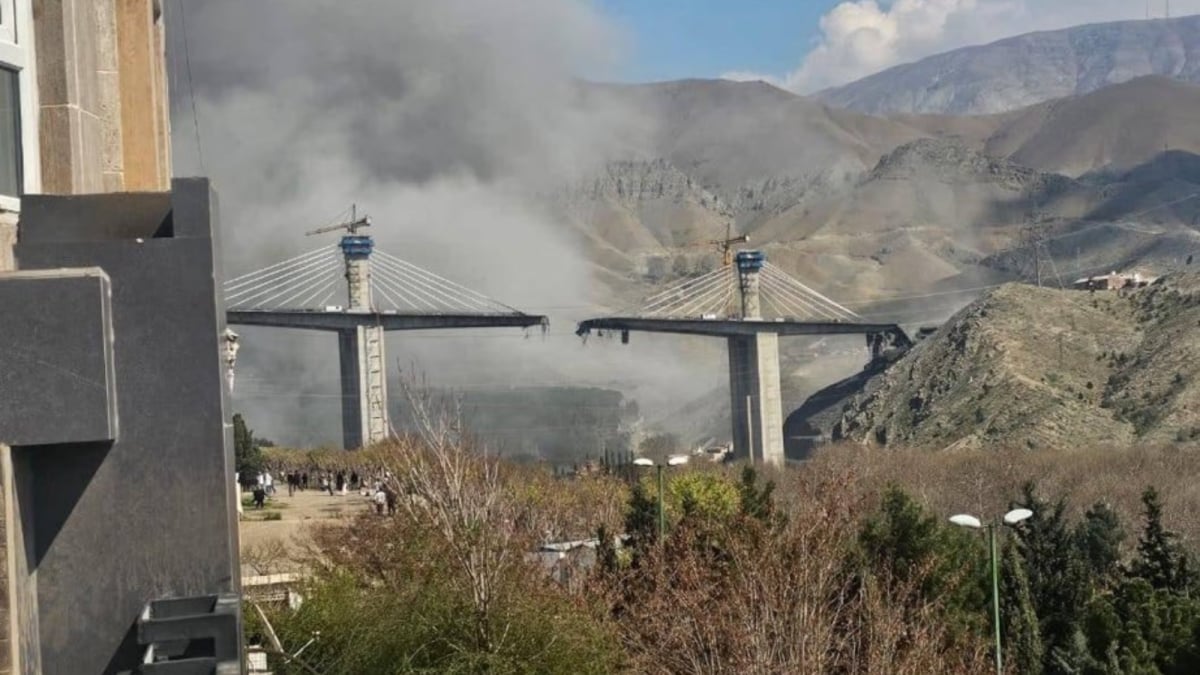
“Tuesday will be Power Plant Day, and Bridge Day, all wrapped up in one, in Iran," Trump wrote.
“They’ll have no bridges. They’ll have no power plants. They’ll have no anything," he added, warning of widespread destruction if Iran failed to comply.
The Associated Press reported that UN Secretary-General Antonio Guterres warned that attacks on civilian infrastructure are prohibited under international law.
Trump responded that he was “not at all" concerned about committing war crimes with such attacks.
IRAN EXPECTS PATTERN OF THREATS, DELAYS AND STRIKES
The Wall Street Journal reported that Iranian officials expect the same pattern of ultimatums followed by military action to repeat, citing US officials and mediators familiar with the negotiations.
Officials cited by the publication said there remains a significant gap between US and Iranian positions ahead of the Tuesday deadline, raising doubts that negotiations could produce an agreement in time.
Iranian officials told mediators they anticipate the United States may continue targeting sites inside the country even if talks move forward.
Arab officials familiar with the discussions also said Tehran expects Israel to continue airstrikes targeting senior Iranian officials regardless of diplomatic progress.
The report noted that previous episodes have contributed to Iranian scepticism about Washington’s intentions in the current round of negotiations.
Last June, Trump halted talks over Iran’s nuclear programme before launching strikes on three nuclear facilities.
In February, following an extensive US military buildup, Trump again accused Tehran of delaying negotiations and initiated the current conflict.
These developments, according to the report, have reinforced concerns within Iran that negotiations may not prevent further escalation.
HOW 48 HOURS BECAME 408 HOURS: A TIMELINE
According to both AP and WSJ, the timeline of Trump’s ultimatum evolved as follows:
March 21: Trump gives Iran 48 hours to reopen the Strait of Hormuz or face strikes on power plants.
March 23: Trump delays planned strikes by five days after citing “productive talks."
March 26: Trump issues a renewed ultimatum, extending the deadline.
March 28: Deadline reset to April 6 at 8 pm following what Trump described as a “diplomatic request."
April 4–7: Trump reiterates warnings that “all Hell will reign down" and later declares “Tuesday will be Power Plant Day, and Bridge Day."
DIPLOMATIC UNCERTAINTY CONTINUES
Despite ongoing talks, Iran rejected the latest ceasefire proposal. However, mediators indicated that diplomatic channels remain open.
A regional official involved in negotiations told AP that discussions had not collapsed entirely.
“We are still talking to both sides," the official said.
Mojtaba Ferdousi Pour, head of Iran’s diplomatic mission in Cairo, was quoted as saying that Tehran no longer trusts Washington after previous rounds of talks were followed by military action.
“We only accept an end of the war with guarantees that we won’t be attacked again," he said.
First Published:
April 07, 2026, 12:07 IST
News world From 48 Hours To 408: How Trump’s Hormuz Ultimatum To Iran Stretched Amid Threats And Delays
Disclaimer: Comments reflect users’ views, not News18’s. Please keep discussions respectful and constructive. Abusive, defamatory, or illegal comments will be removed. News18 may disable any comment at its discretion. By posting, you agree to our Terms of Use and Privacy Policy.
Read More





 English (US) ·