

 4 days ago
11
4 days ago
11
ARTICLE AD BOX
Former Chief Economic Advisor Dr Arvind Subramanian stressed the need for global resource procurement to safeguard India's energy and agricultural needs.
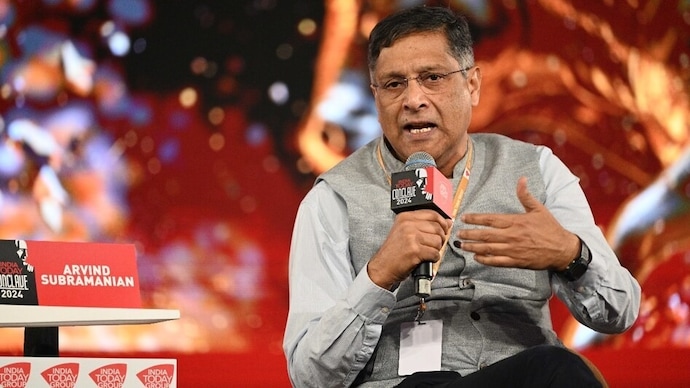
Former Chief Economic Advisor Dr Arvind Subramanian. (Photo: File/ITG)
New Delhi,UPDATED: Apr 1, 2026 23:18 IST
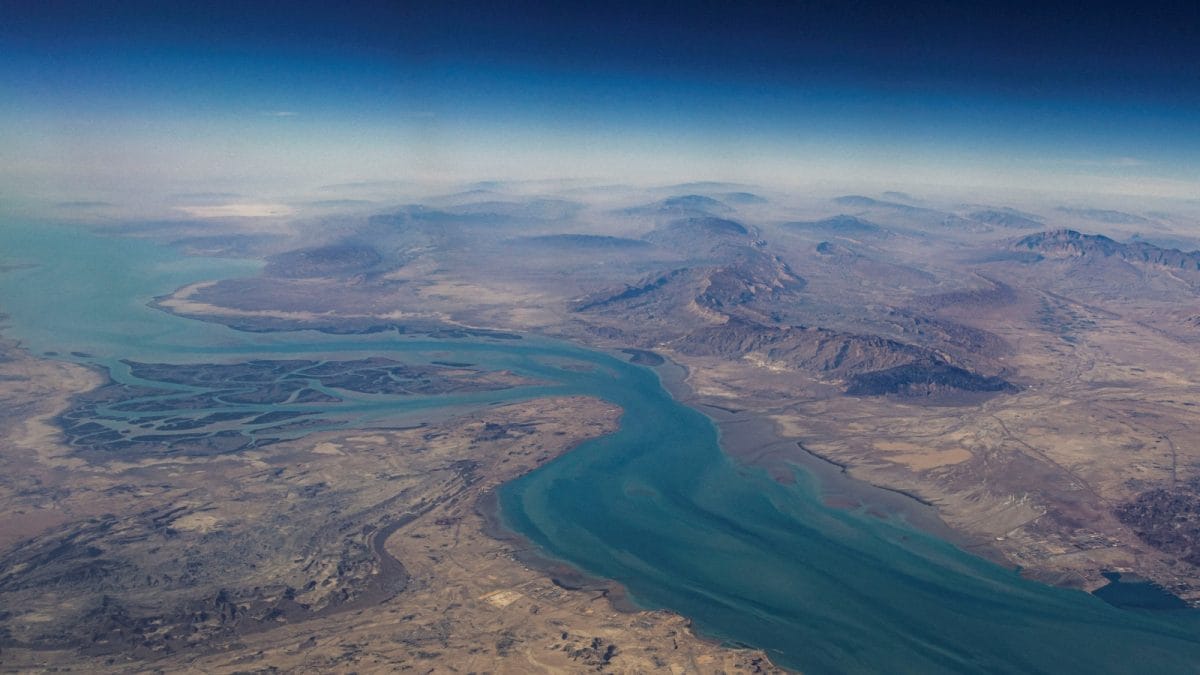
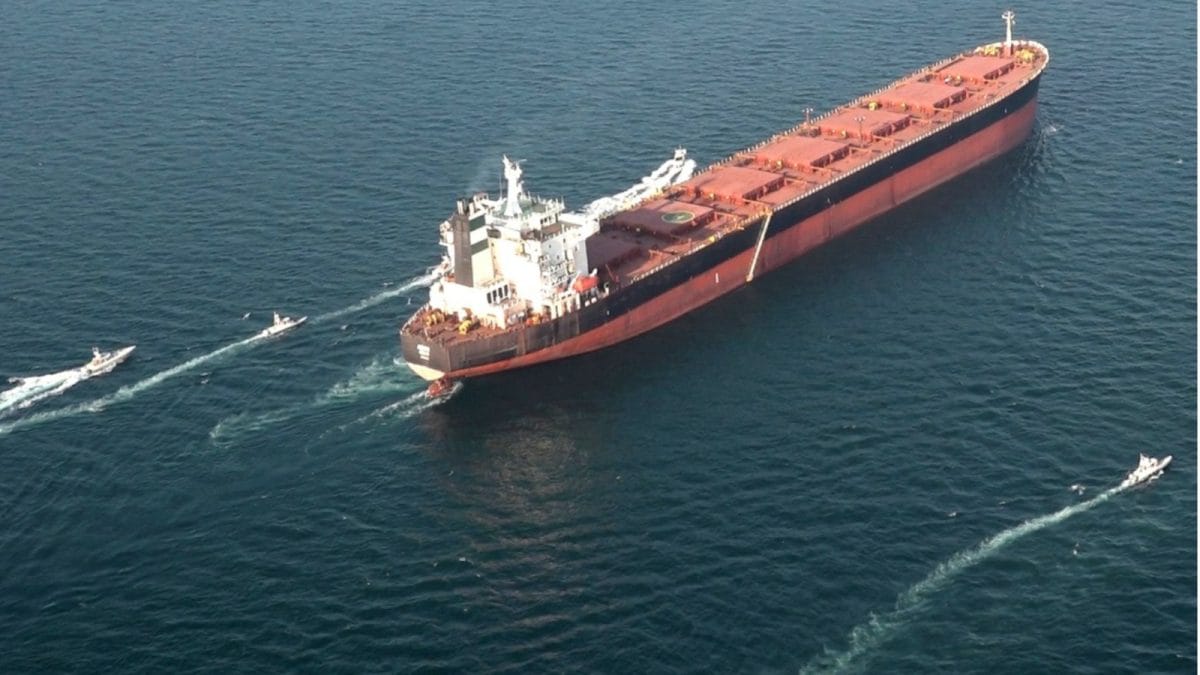
Former Chief Economic Advisor Arvind Subramanian has issued a warning on the economic fallout of the ongoing US-Iran conflict, cautioning that India and the global economy are facing a "stagflationary shock" triggered by disruptions in critical energy supply chains, particularly through the Strait of Hormuz.
In an interview with India Today’s Rajdeep Sardesai, Dr Subramanian stressed that the Indian government must act urgently to secure supplies of essential commodities. "Right away, what the government needs to do is try and find globally every possible source of supply for fertilisers, oil and natural gas," he said, adding that India should "go all out hunting everywhere to secure these supplies as quickly and as cheaply as possible".
With India importing nearly 85% of its oil needs, the ongoing conflict has already pushed crude prices upward, intensifying concerns over inflation and growth.
Dr Subramanian noted that the crisis is not limited to oil alone. "For India, it is as much natural gas and fertiliser that are going to be key determinants," he explained, highlighting the broader supply shock affecting multiple sectors.
He described the situation as a classic case of stagflation—where rising prices coincide with slowing economic growth. "Prices will go higher and GDP will come down," he said, estimating that India’s growth could be reduced by "more than one percentage point," while inflation may rise by "one to one and a half percentage points".
The effects of the crisis are already visible on the ground. Subramanian pointed to early signs of economic slowdown, particularly due to natural gas shortages.
"Restaurants are closing down. The stagnation part is already being felt," he observed, indicating that supply disruptions are beginning to impact daily economic activity.
On the global front, Subramanian warned that the shock could push major economies towards recession.
With the US and Europe facing slowdown risks and China’s growth expected to weaken, he said the interconnected nature of the global economy leaves little room for insulation. "No country is an island, this is a global stagflationary shock," he remarked.
Compounding the challenge is the limited ability of governments worldwide to respond effectively. High debt levels, he noted, have reduced "policy firepower," making large-scale fiscal interventions more difficult than in past crises.
In the short term, the Indian government has attempted to cushion the impact by cutting excise duties and absorbing costs through subsidies, particularly for fuel and fertilisers.
However, Dr Subramanian cautioned that such measures are not sustainable indefinitely. "There are no good options only less bad and more bad options," he said, warning that prolonged disruptions will eventually force price increases to be passed on to consumers.
He also addressed concerns over the weakening rupee, noting that while the currency has declined, it is not the worst-performing among peers.
However, he flagged that it had underperformed even before the conflict, calling it a "lesson for policymakers" to strengthen macroeconomic resilience.
Despite the grim outlook, Subramanian identified a potential silver lining.
The crisis, he said, should serve as a "wake-up call" for structural reforms and long-term resilience. He emphasised the need to build strategic reserves of key commodities and reduce dependence on fossil fuels by investing in renewable energy and electricity infrastructure.
"Over the medium to long term, reducing dependence on fossil fuels is the way to go," he said, underscoring that resilience—not just immediate response—will determine how India navigates this crisis.
As the conflict continues to disrupt global supply chains, Dr Subramanian’s warning underscores the urgency for decisive action, both to manage immediate shocks and to prepare for a more uncertain economic future.
- Ends
Published On:
Apr 1, 2026 23:18 IST



 English (US) ·