

 1 day ago
8
1 day ago
8
ARTICLE AD BOX
Last Updated:June 23, 2026, 13:26 IST
Japan's beloved bullet trains are preparing for their final journey as India races towards a high-speed milestone of its own. One chapter is closing while another is only beginning
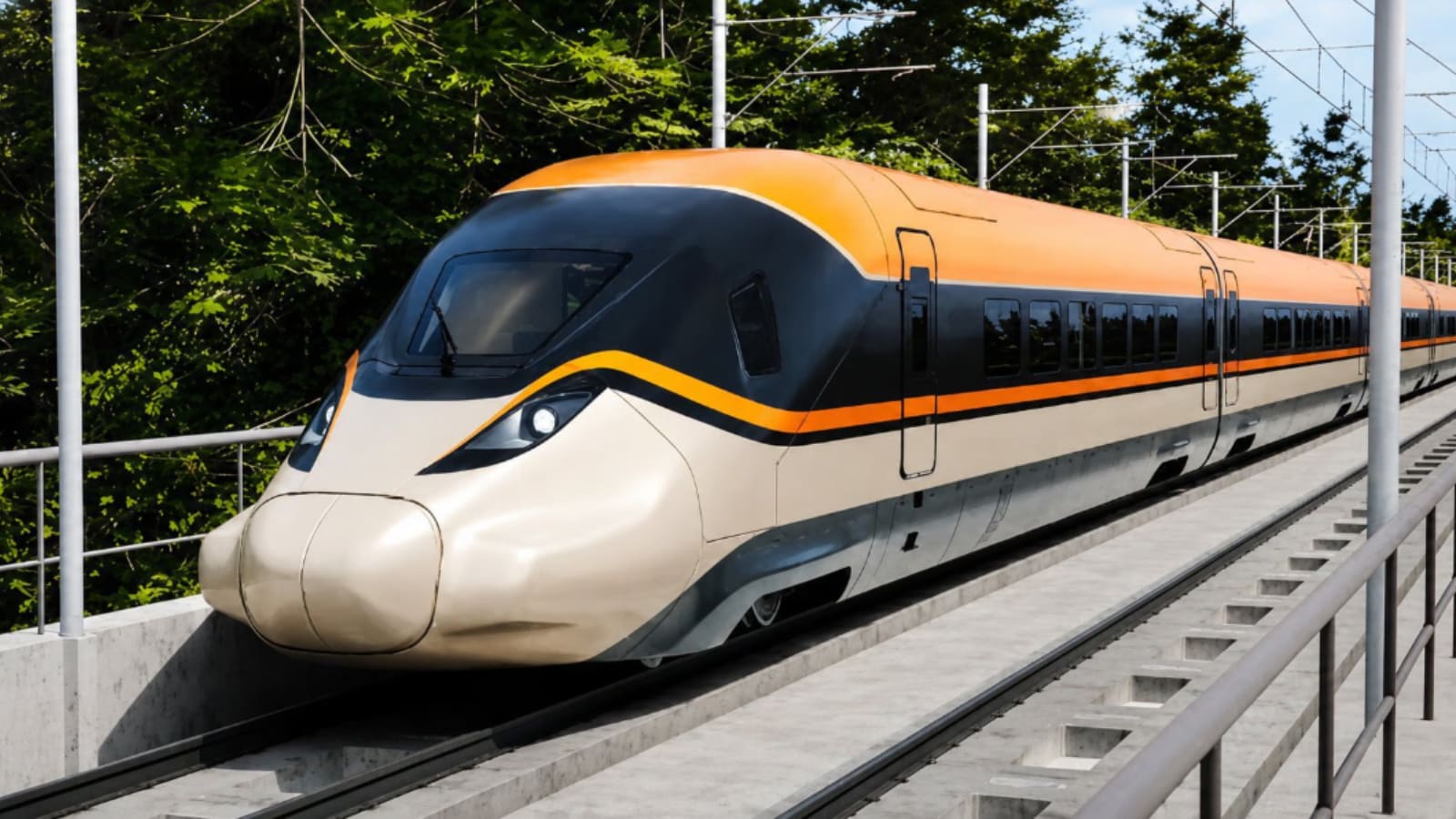
As Japan prepares to phase out two of its most iconic high-speed trains, India is accelerating work on its own bullet train programme, highlighting two very different moments in the evolution of rail transport. While Japan focuses on newer-generation Shinkansen technology, India is preparing to unveil its first indigenously developed high-speed trainset for the Mumbai-Ahmedabad Bullet Train Corridor, the country's first bullet train project.
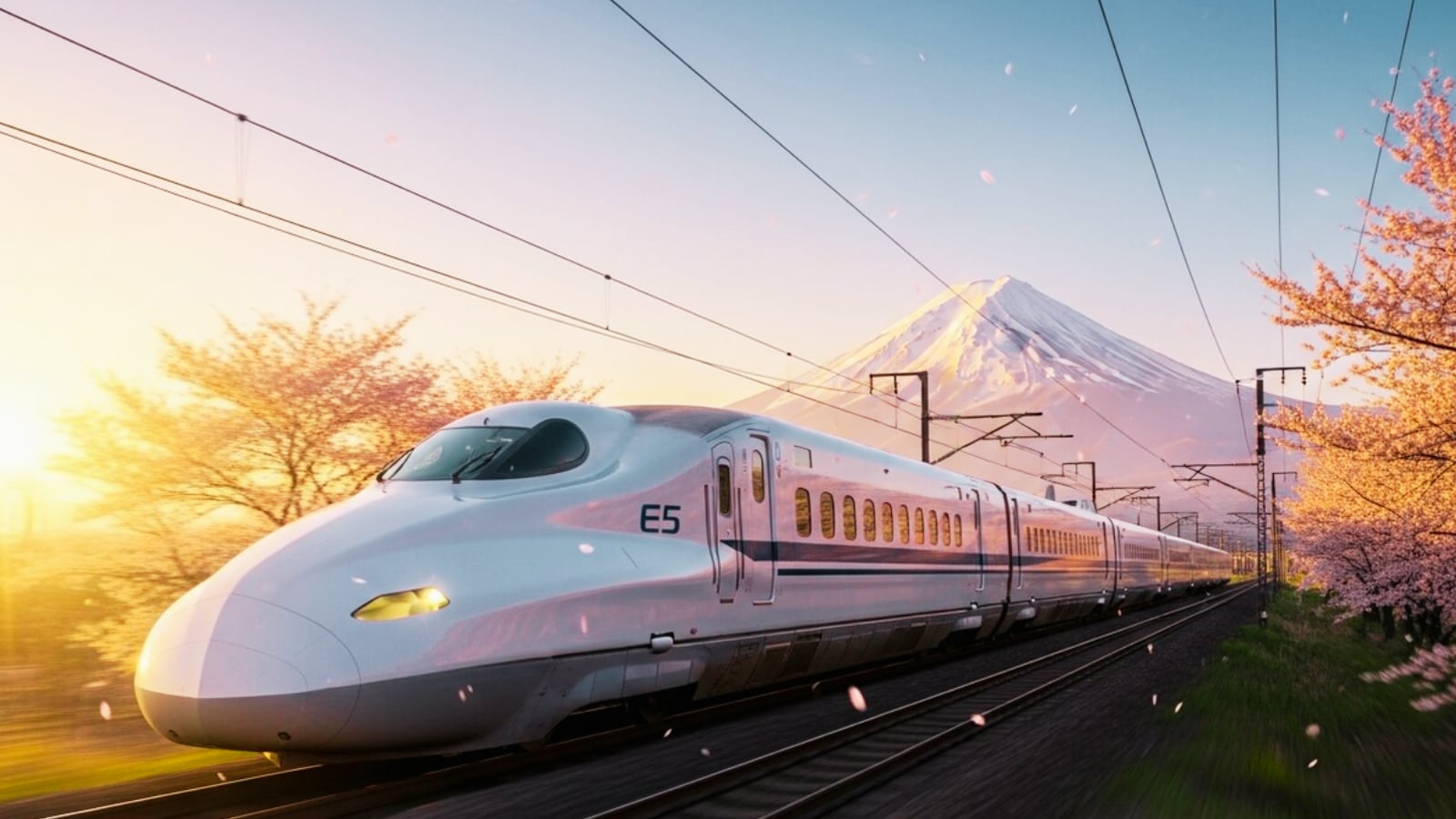
India's inaugural bullet train services will initially rely on Japanese E5 Series Shinkansen technology, capable of operating at speeds of up to 320 kmph. At the same time, the country is developing its own high-speed train platform. The first indigenous bullet train, known as the B28 or 'Vande Bullet', is currently being manufactured by BEML at its Aditya production facility in Bengaluru.
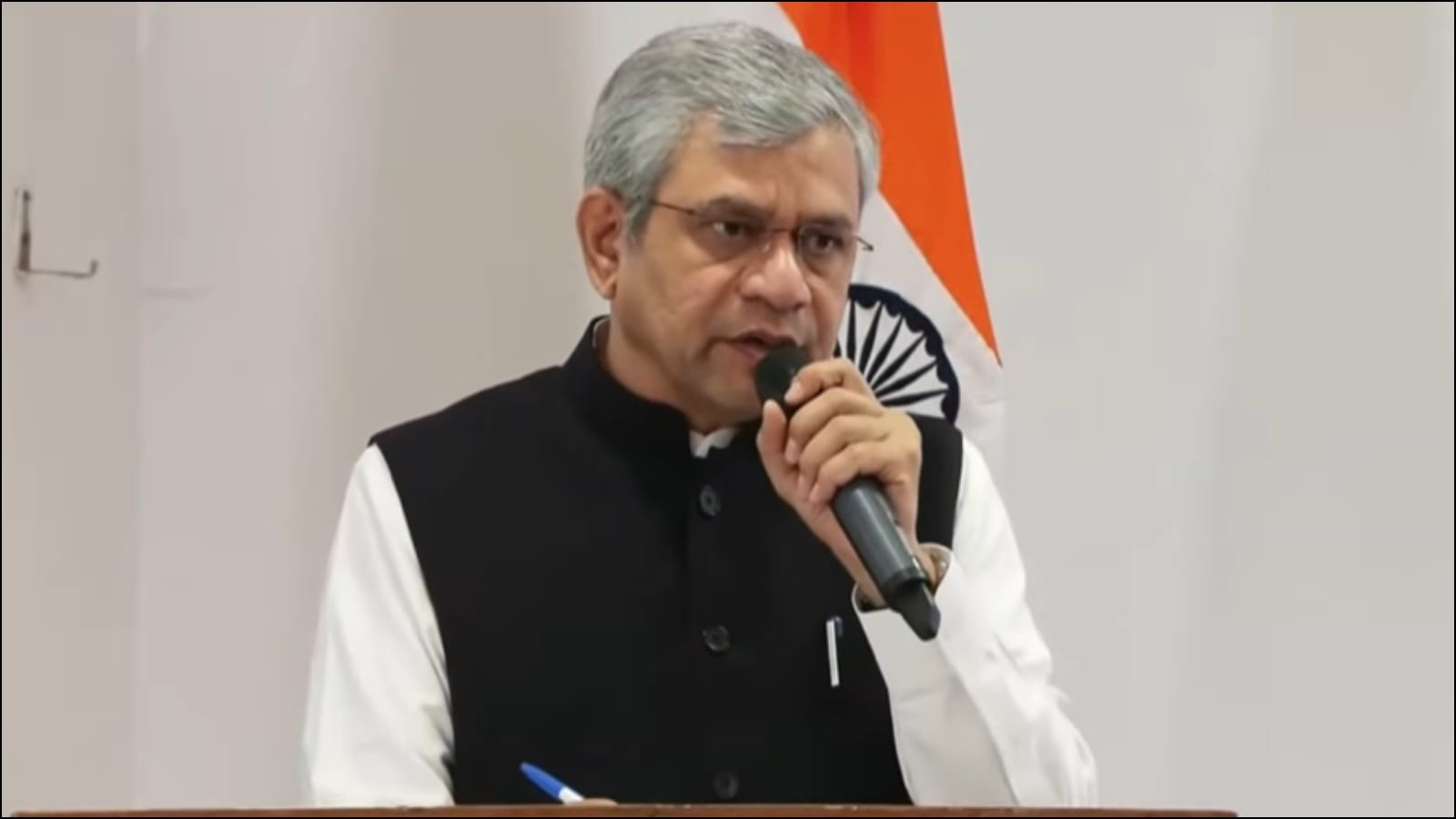
The plant was inaugurated by Railway Minister Ashwini Vaishnaw on April 25, 2026. According to BEML management, the first prototype trainset is expected to be rolled out in early 2027. "We are trying to get the first train at the beginning of the next calendar year," company officials said while outlining the project's progress.
Once the prototype is completed, it will be transported to the Surat depot being developed by the National High-Speed Rail Corporation Limited (NHSRCL). The train will first undergo detailed testing at BEML's manufacturing facility before moving to Surat for depot trials and subsequent testing on the main line. Officials said the evaluation process could last between four and six months, with all testing parameters already identified.
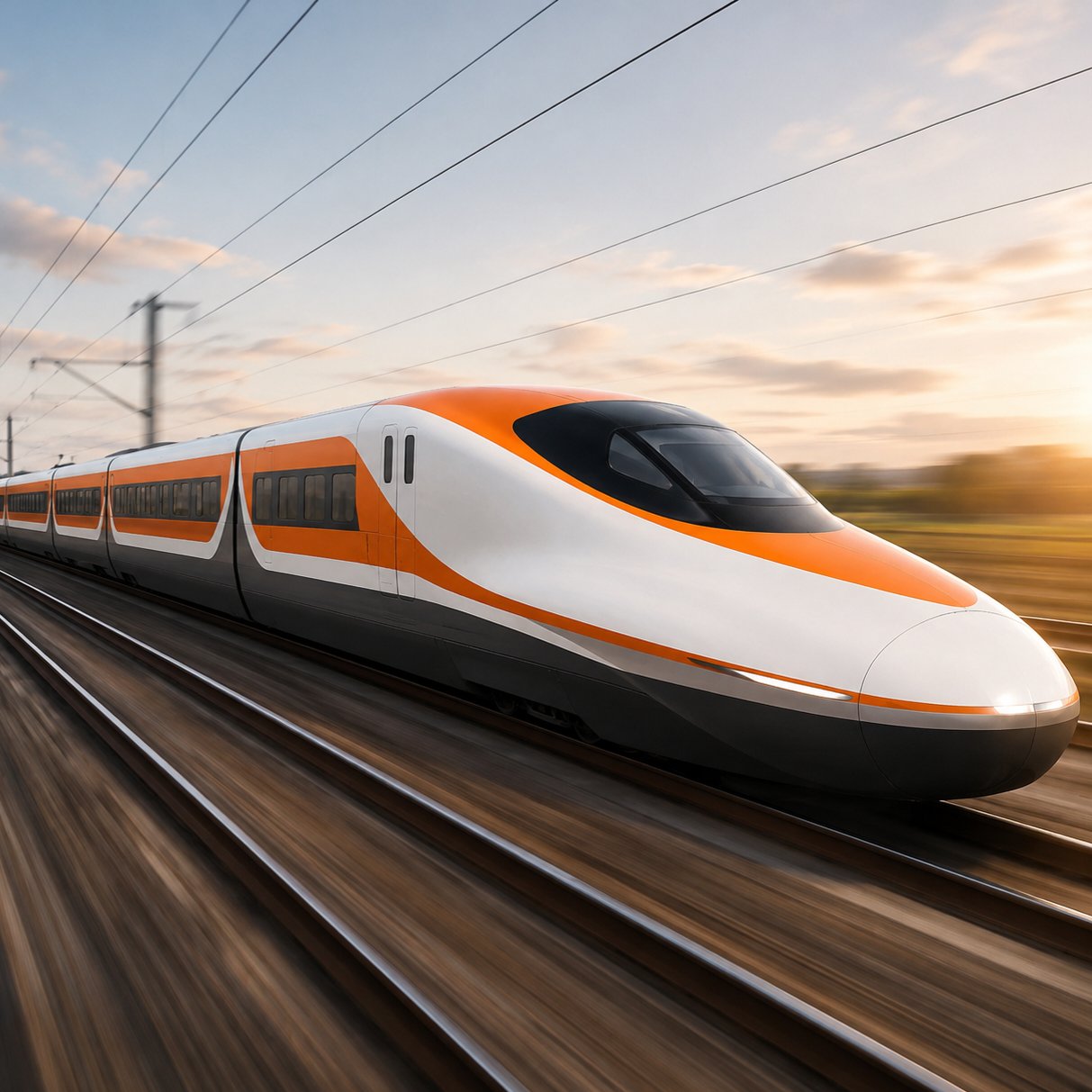
The Ministry of Railways has set a March 2027 target for the completion of India's first indigenously built bullet train. BEML secured the contract in October 2024 from Chennai-based Integral Coach Factory (ICF) to design, manufacture and commission two high-speed trainsets. The B28 designation is often interpreted as 'Bharat-made Bullet' capable of operating at speeds of up to 280 kmph.
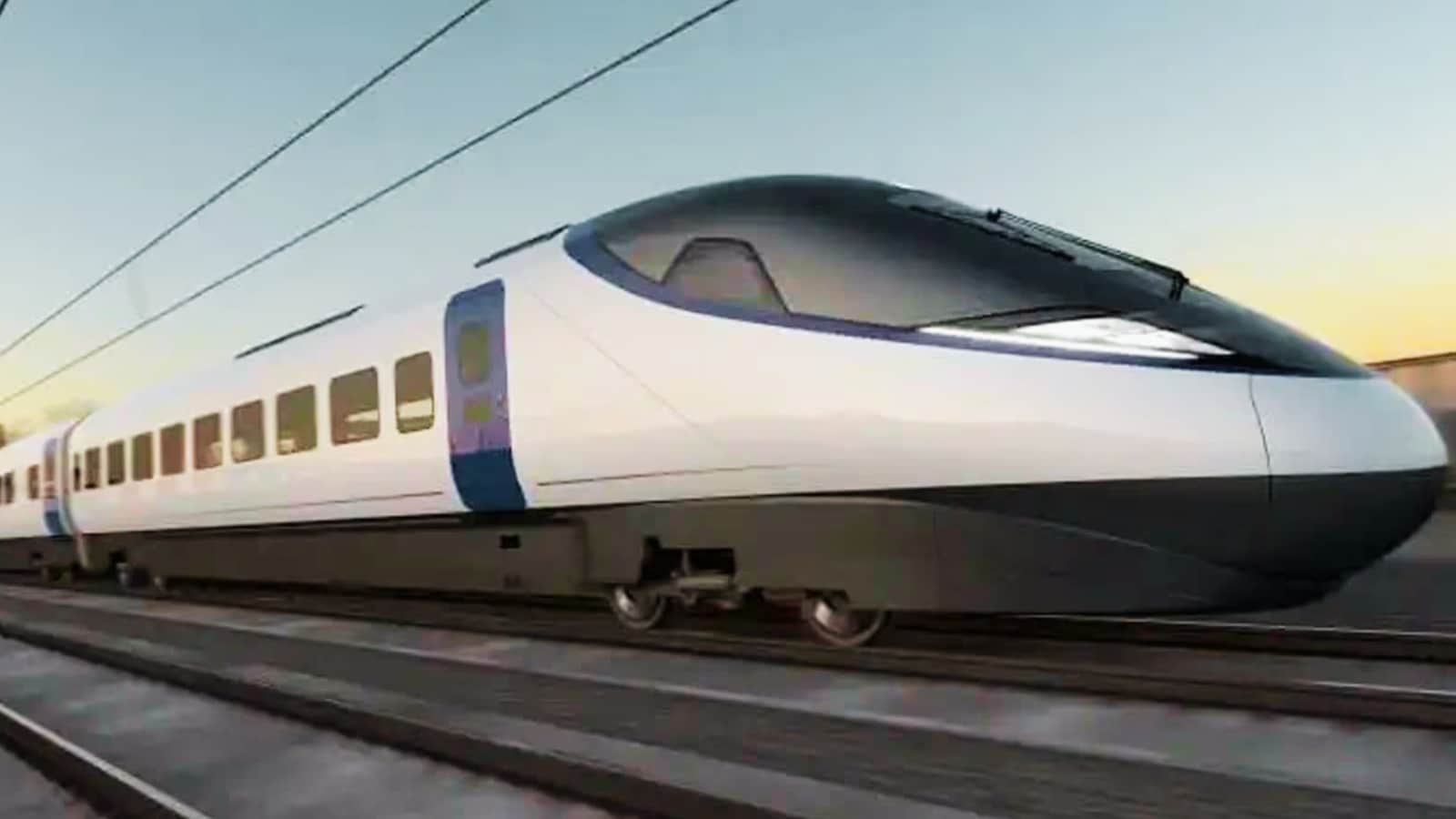
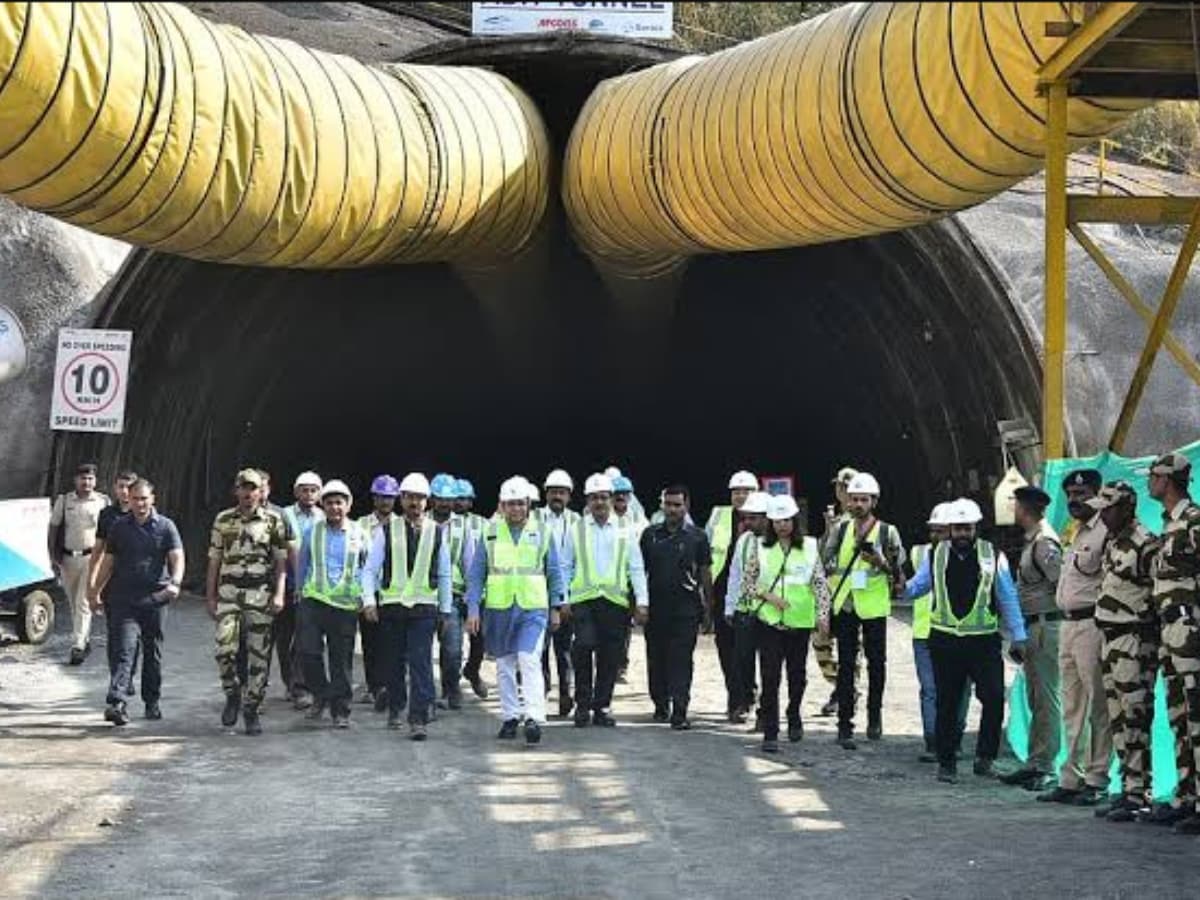
Railway authorities have identified the 97-km Surat-Vapi section of the Mumbai-Ahmedabad High-Speed Rail Corridor as the first stretch where the B28 could enter service. The Ministry of Railways has indicated that operations on this section are targeted to begin in August 2027. The Surat-Vapi segment forms part of the larger Mumbai-Ahmedabad Bullet Train project, India's flagship high-speed rail corridor.
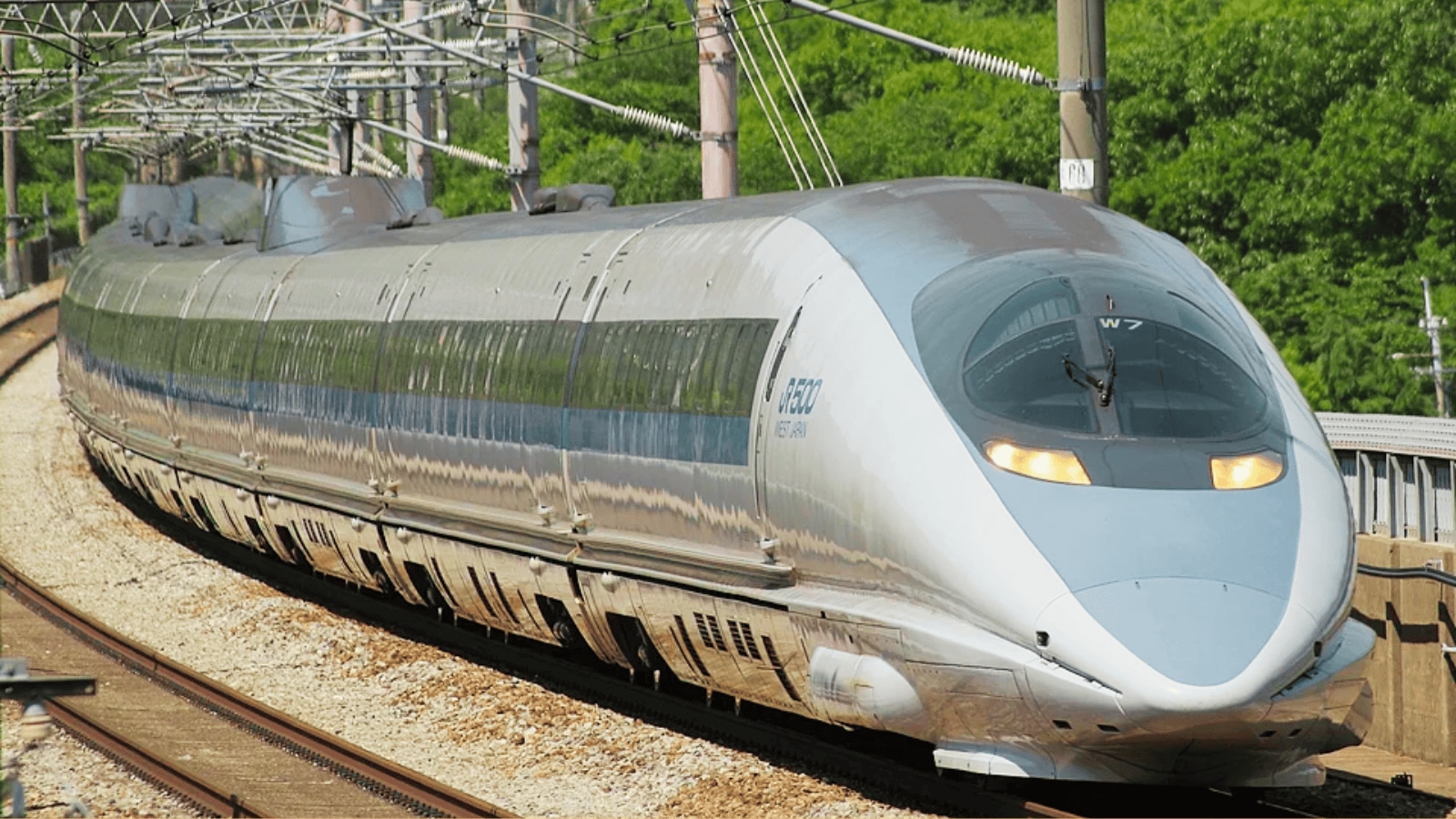
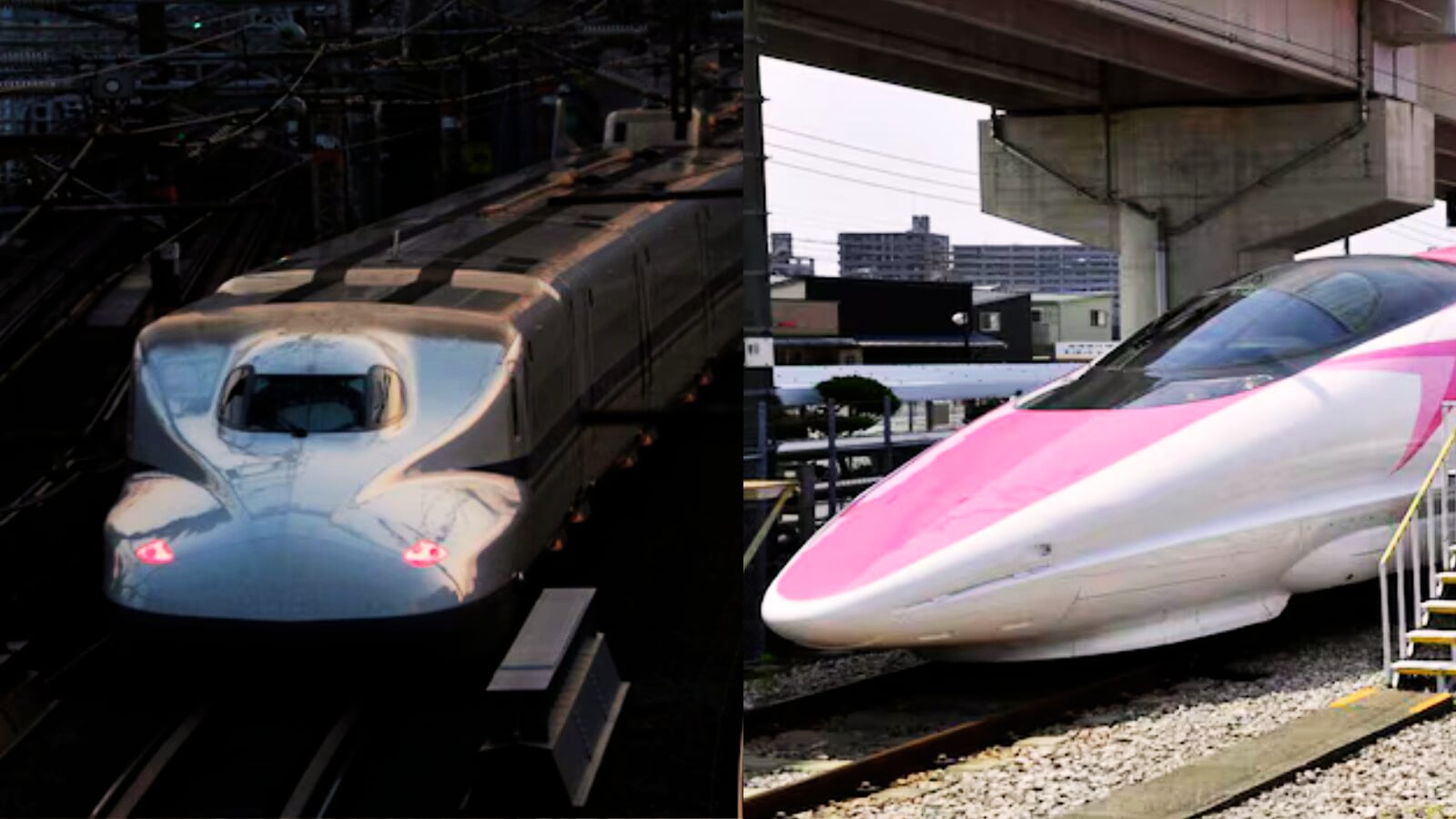
While India prepares for its first bullet train era, Japan is preparing to retire two trains that have become symbols of its world-renowned rail network. West Japan Railway Company (JR West) has announced that regular scheduled services of the 500 Series Shinkansen will end on January 13, 2027.
The train, recognised for its distinctive aerodynamic design and role in the development of high-speed rail in Japan, will continue to operate on special and charter services for a limited period after its retirement from regular schedules. JR West said all commercial operations are expected to conclude by July 2027, although some units may still be deployed on regular services in certain sections depending on operational requirements.
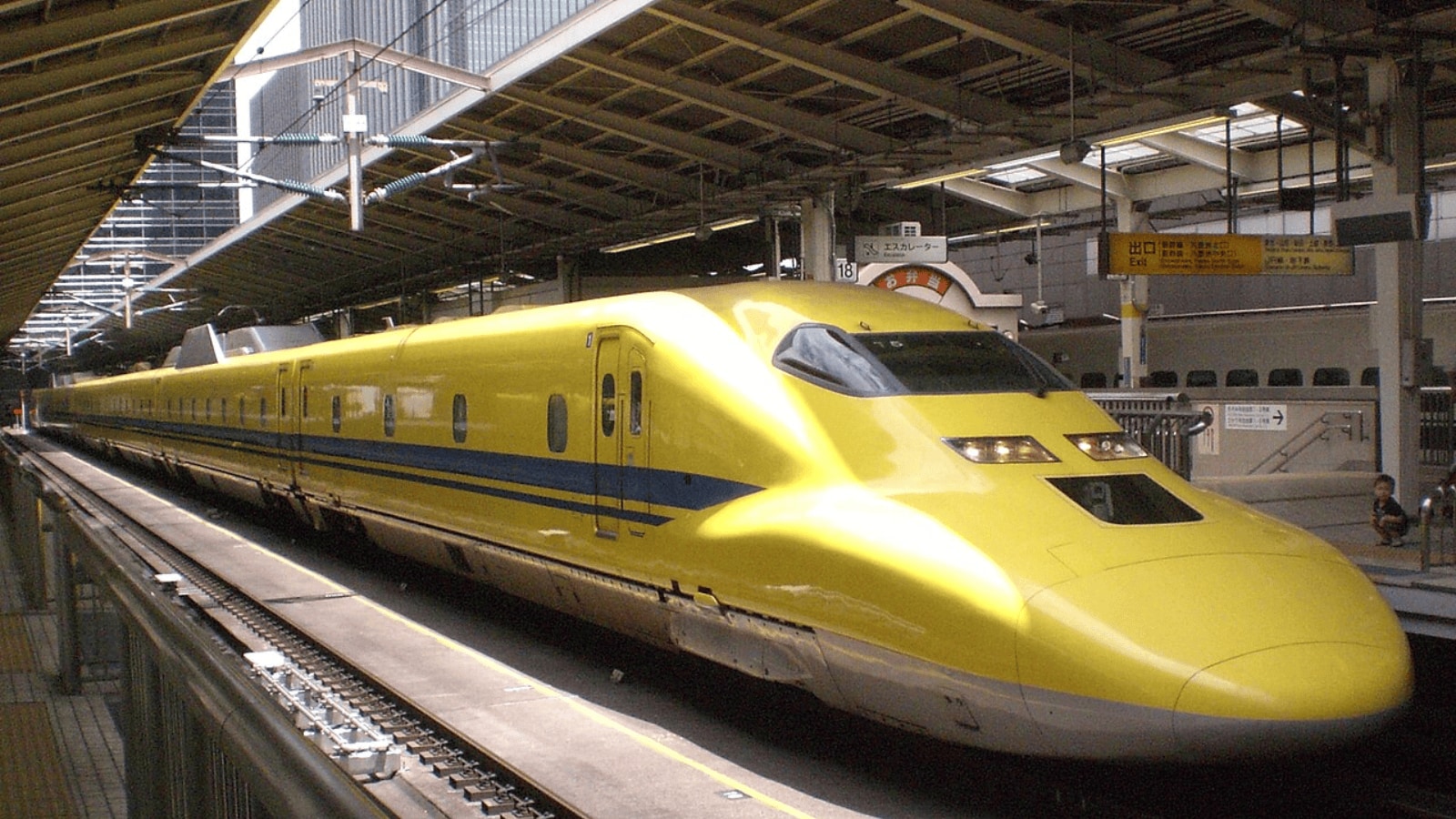
JR West has also confirmed that Doctor Yellow T5, one of Japan's most famous inspection trains, will cease operations in January 2027. Known for monitoring track conditions and infrastructure health across the Shinkansen network, Doctor Yellow has achieved near-legendary status among railway enthusiasts. The company said inspection schedules and the train's final operating date will not be publicly disclosed except for special events.
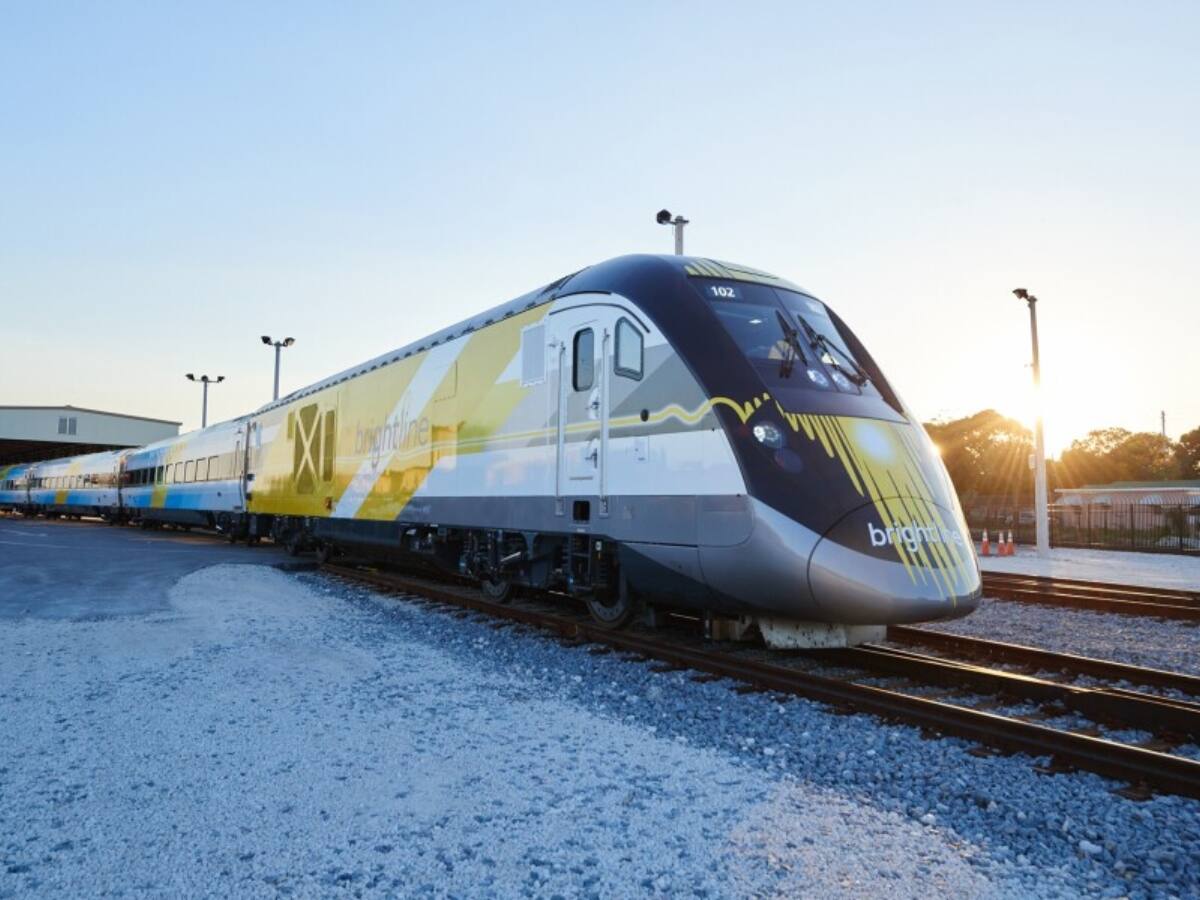
The retirements are part of Japan's broader effort to modernise its high-speed rail system. Rail operators are gradually replacing older trainsets with newer-generation Shinkansen models that offer improved safety features, greater energy efficiency, enhanced passenger comfort and lower maintenance requirements. The ageing 500 Series and Doctor Yellow fleets lack many of the advanced technologies and operational improvements incorporated into modern Shinkansen trains.
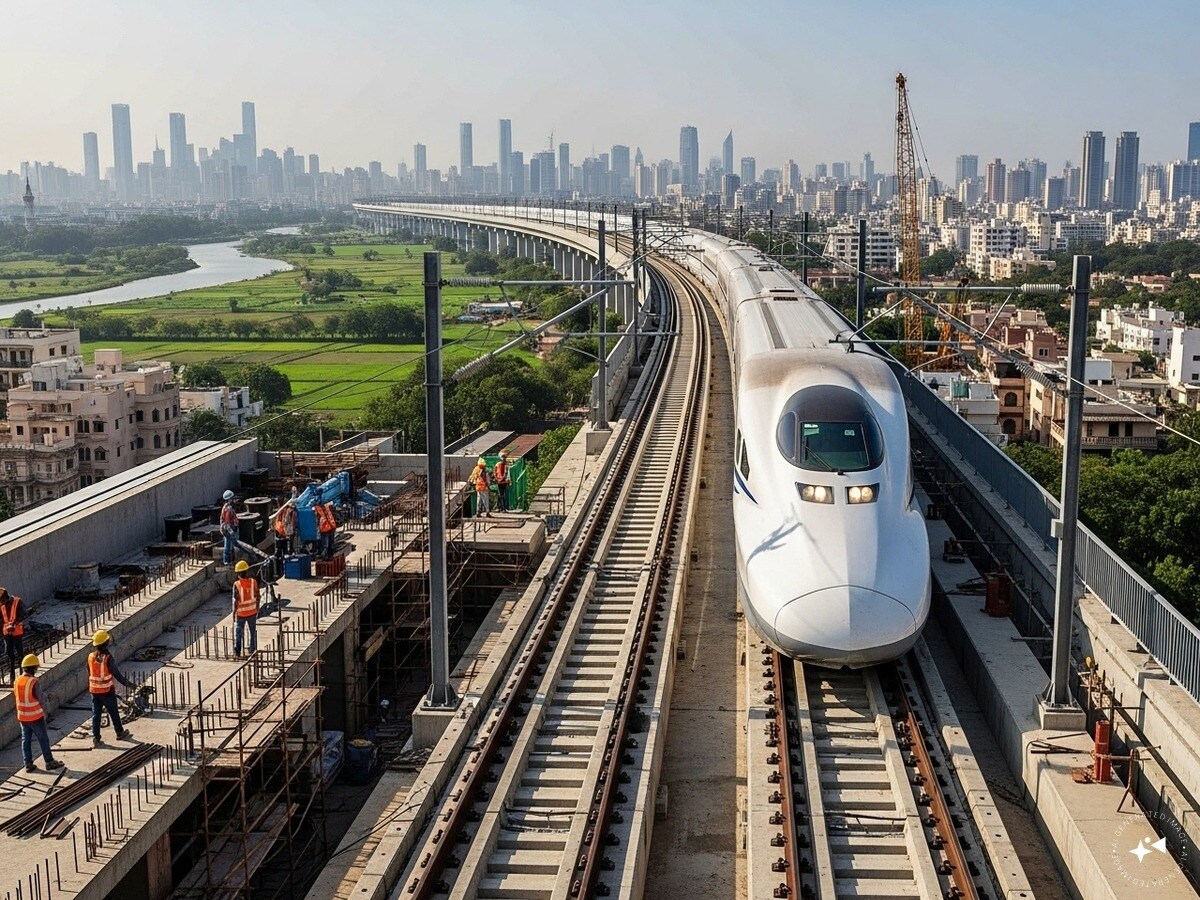
The developments illustrate the contrasting stages of high-speed rail evolution in the two countries. Japan, the birthplace of the Shinkansen, is retiring trains that helped define modern bullet rail travel. India, meanwhile, is preparing to launch its first generation of bullet trains while simultaneously building domestic expertise through the B28 programme. If current timelines are met, 2027 could become a landmark year for both nations; one marking the farewell of celebrated railway icons and the other witnessing the arrival of India's first home-grown bullet train.
News Photogallery cities mumbai-news India Readies First Bullet Train Prototype For 2027 As Japan Retires 2 Of Its Most Iconic Shinkansens







 English (US) ·