

 1 hour ago
4
1 hour ago
4
ARTICLE AD BOX
Last Updated:April 10, 2026, 22:05 IST
Pakistani officials, speaking privately, acknowledge that these initial sessions will focus on the mechanical 'heavy lifting'


US President Donald Trump with Pakistan PM Shehbaz Sharif. (File pic/Reuters)
Top diplomatic sources in Islamabad have revealed to CNN-News18 a significant recalibration of expectations for the high-stakes US-Iran peace talks. While the global community has been holding its breath for a definitive “grand bargain", latest developments indicate that the current sessions are shifting from high-level, decisive negotiations to preparatory, staff-level discussions.
Why are the Islamabad talks shifting to staff-level discussions?
The transition from a “conclusive summit" to staff-level preparatory work marks a pragmatic shift by mediators. Sources indicate that although the primary delegations—including US Vice President JD Vance and Iranian Foreign Minister Abbas Araghchi—are arriving in Islamabad, the sheer complexity of the “Islamabad Accord" requires extensive groundwork.
Pakistani officials, speaking privately, acknowledge that these initial sessions will focus on the mechanical “heavy lifting": clarifying conflicting interpretations of the two-week ceasefire, setting a rigid agenda for future rounds, and—most crucially—building a baseline of trust. With both sides arriving under a cloud of deep-seated suspicion, the priority has shifted from signing a treaty to ensuring the current truce does not collapse under the weight of “minor provocations".
Is a diplomatic breakthrough expected in this round?
Despite the optimistic rhetoric initially coming from the White House and Tehran, a major breakthrough on a permanent deal is now considered highly unlikely in this specific round. The “10-point" and “15-point" frameworks currently on the table contain several “poison pill" clauses—specifically regarding the unconditional reopening of the Strait of Hormuz and the verification of nuclear constraints—that require more than a weekend to resolve.
Instead of a single “signing ceremony," the Islamabad summit is now expected to produce a “Roadmap for Peace". This document will likely outline a schedule for multiple follow-up rounds of negotiations, potentially extending the current two-week ceasefire window to allow for more granular discussions on sanctions relief and war reparations.
How is Pakistan facilitating these ‘setting the agenda’ sessions?
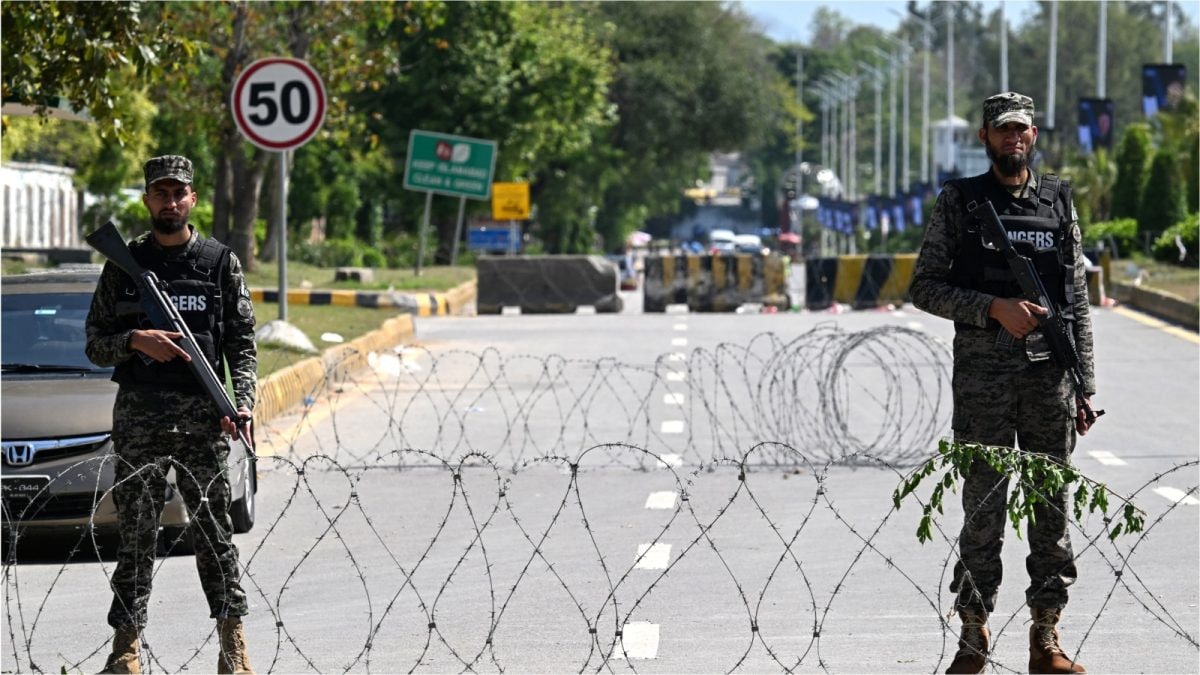
Islamabad has effectively turned into a high-security diplomatic fortress to ensure these preparatory talks proceed without interruption. With the city observing public holidays to facilitate movement, the Pakistani mediation team is working to manage the “Tier 1" de-escalation phase.
The goal for the next 48 hours is modest but vital: to get both teams in the same room—or at least the same building—to agree on a “common vocabulary". By lowering the immediate ceiling of success, mediators hope to prevent the talks from being labelled a failure if a permanent treaty isn’t reached by Monday. In the world of high-stakes geopolitics, “agreeing to keep talking" is, in itself, the breakthrough Islamabad is currently chasing.
Handpicked stories, in your inbox
A newsletter with the best of our journalism
First Published:
April 10, 2026, 22:05 IST
News world Islamabad Pivot: Why US-Iran Summit Is Shifting From ‘Grand Bargain’ To Staff-Level Groundwork | Exclusive
Disclaimer: Comments reflect users’ views, not News18’s. Please keep discussions respectful and constructive. Abusive, defamatory, or illegal comments will be removed. News18 may disable any comment at its discretion. By posting, you agree to our Terms of Use and Privacy Policy.
Read More



 English (US) ·