

 1 hour ago
4
1 hour ago
4
ARTICLE AD BOX
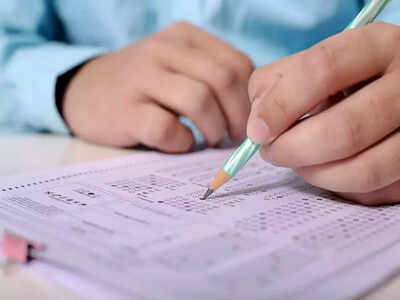
JEE Main is one of India’s most competitive engineering entrance exams, conducted by the National Testing Agency (NTA) to select students for top engineering colleges such as NITs, IIITs and other centrally funded institutes.
For 2026, the exam is being held in two sessions with the first session scheduled from January 21 to January 29, 2026, and the second session set for April 2 to April 9, 2026.
Preparing with previous years’ question papers is one of the most effective ways to understand the exam pattern, question types and difficulty level. Solving these papers frequently helps students improve time management, accuracy and confidence.
For the convenience of the candidates, we have gathered authentic JEE Main past years question papers and made them available for download in PDF format.
JEE Main 2026: Session-wise important dates
For the 2026 academic cycle, JEE Main is being held in two sessions, giving students multiple opportunities to perform their best. The first session of the exam is scheduled to be conducted from January 21 to January 29, 2026, and the second from April 2 to April 9, 2026.
Registration for these sessions typically opens several months before the exam dates, and admit cards are released a few weeks prior to each session.
Download JEE Main previous years’ question papers
Official PDFs of JEE Main previous years’ question papers are available for students to download and practise. These papers include multiple sessions and shifts from past years, giving aspirants access to real exam material. By working with these PDFs, students can familiarise themselves with the format and difficulty of questions set by NTA. Click on the attached links below to download the question papers and begin practising right away.
How to use previous years’ papers effectively
To make the most of past question papers, students should try to solve them under conditions that simulate the real exam. This means attempting the paper within the official time limit and without interruptions. Starting with older papers helps strengthen core concepts, while more recent papers show the latest trends and question styles. After solving a paper, it is important to review the answers carefully and learn from any mistakes. Students should focus on topics where they struggled and revise those concepts before attempting the next paper. Over time, this continuous practice helps build stronger problem‑solving skills and better exam readiness.







 English (US) ·